
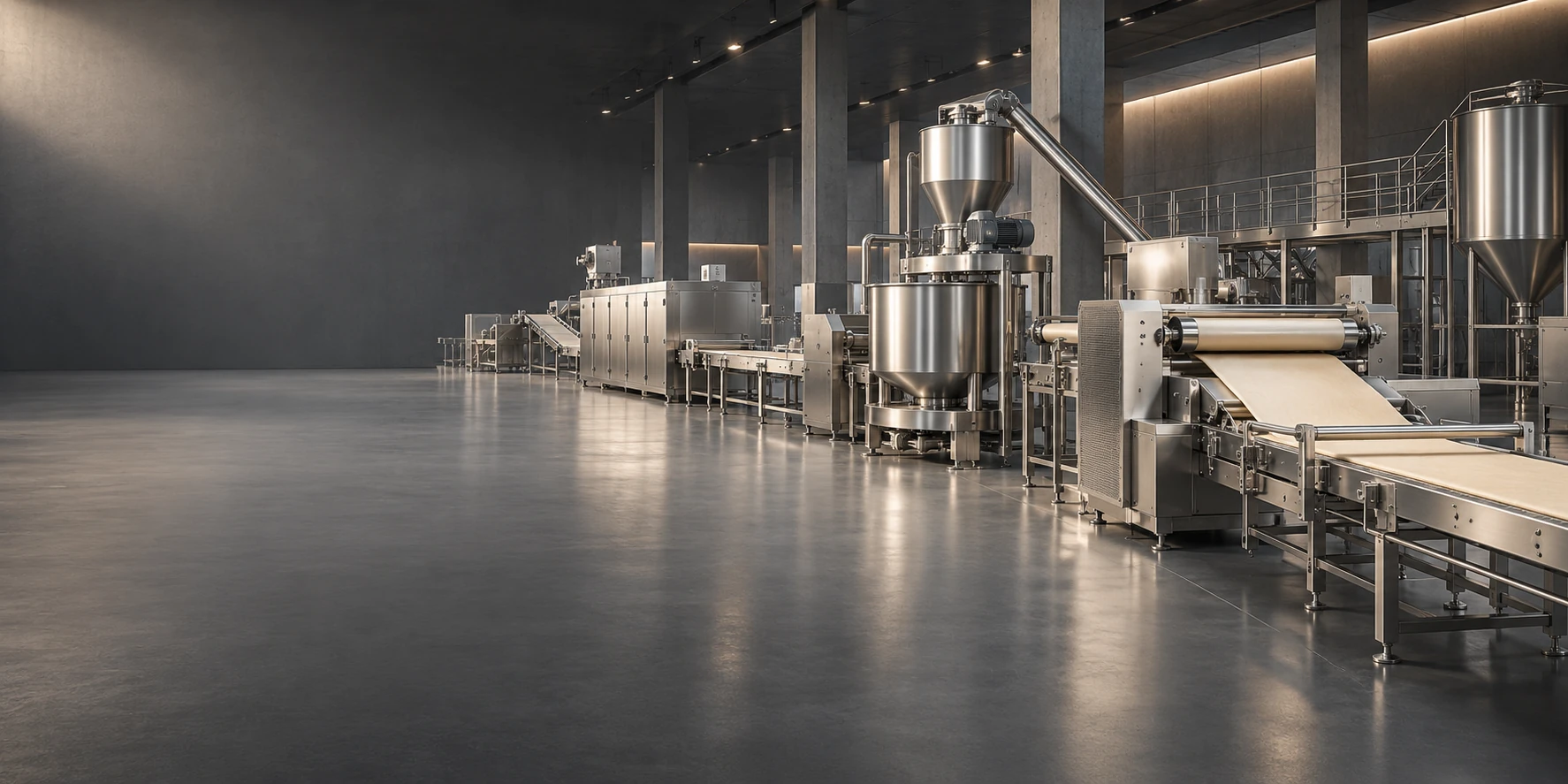
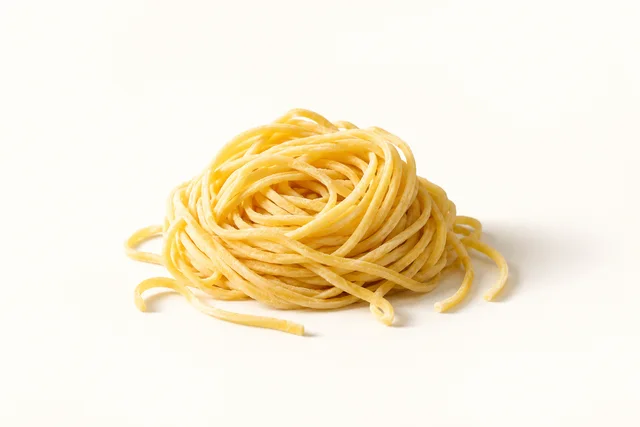
Engineering for food factories
Precision Machinery for Dough, Noodle, Dumpling & Meat Processing
Stainless-steel equipment and integrated production lines, configured around your product, process and production targets.
Product range
What do you plan to produce?
Start with the finished food. Choose an application to see the equipment family, process route and production-line options behind it.
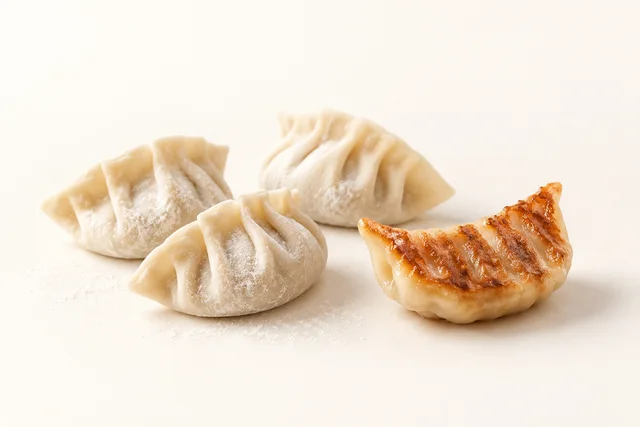
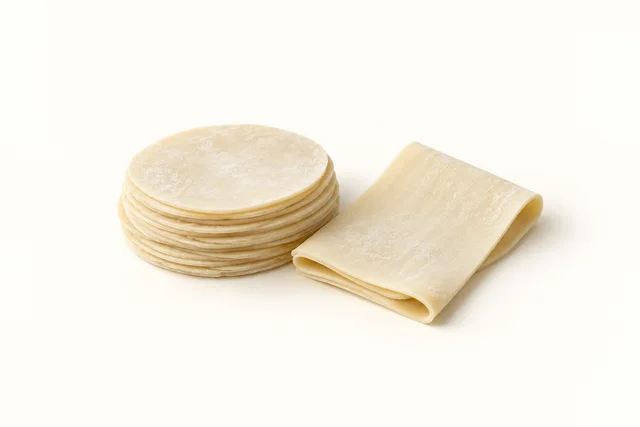
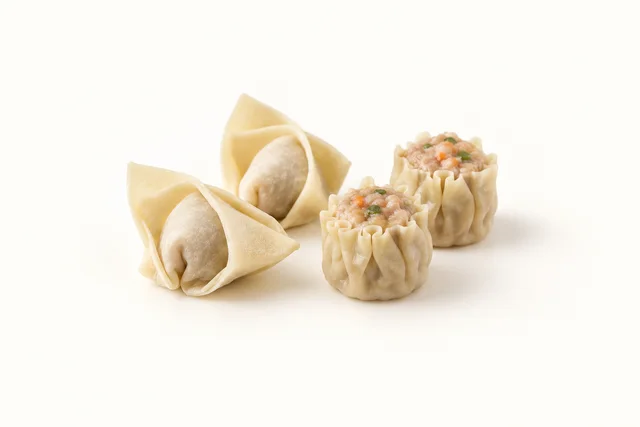
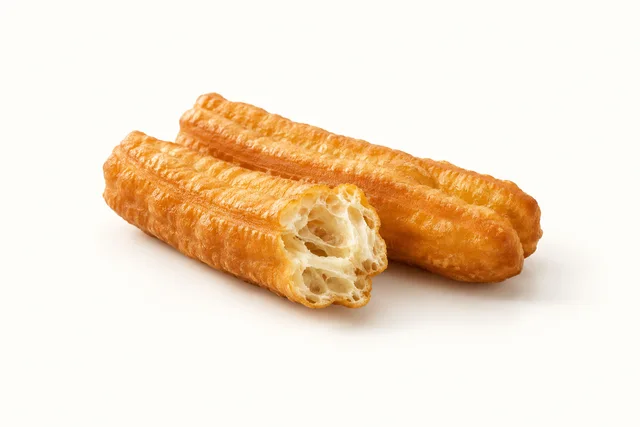
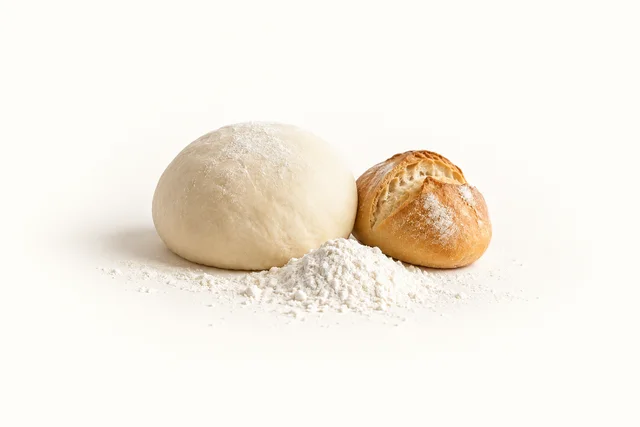
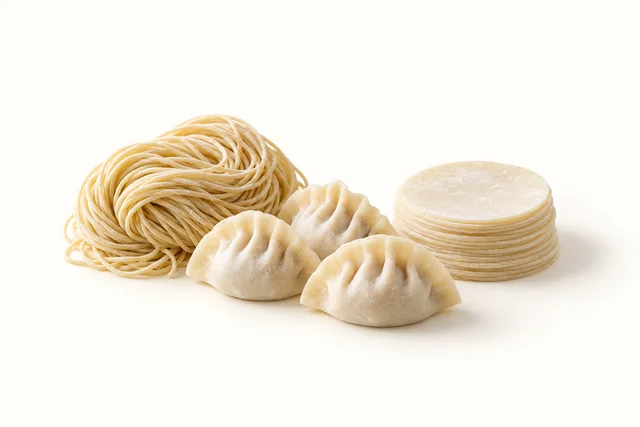
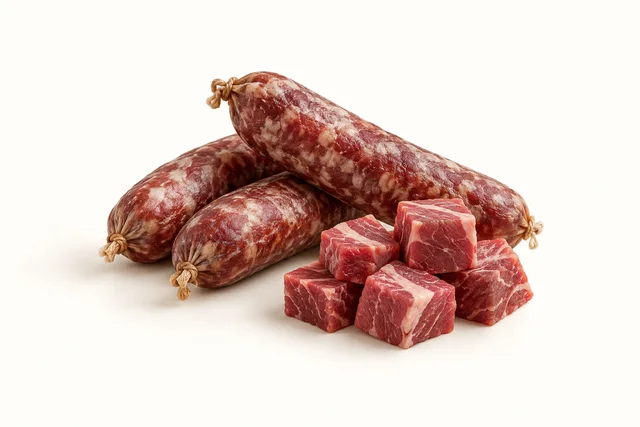
AI-generated application illustrations.View all food-production applications →
Why HELPER
Engineering Around Your Food and Production Needs
Manufacturing experience, food-process knowledge and engineering support for your equipment and production-line decisions.
Manufacturing Experience
Since 1986, HELPER has developed food-processing equipment with project-specific manufacturing, assembly and inspection.
Manufacturing capabilityFood Processing Expertise
Raw materials, recipes, finished formats and production targets guide equipment selection and process planning.
Explore applicationsIn-house Engineering
Our design team connects machine configuration, tooling, controls and upstream or downstream production-line interfaces.
Explore custom solutionsProject & Technical Support
Selection guidance, factory layouts, utility planning and technical resources help buyers define a practical project scope.
Planning resourcesFACTORY · MACHINES · PRODUCTION LINES
HELPER in Action
Explore our factory, see machines in operation, and discover production solutions for your food business.
From the workshop to the production floor: watch the process, then explore the equipment behind it.
Explore the video center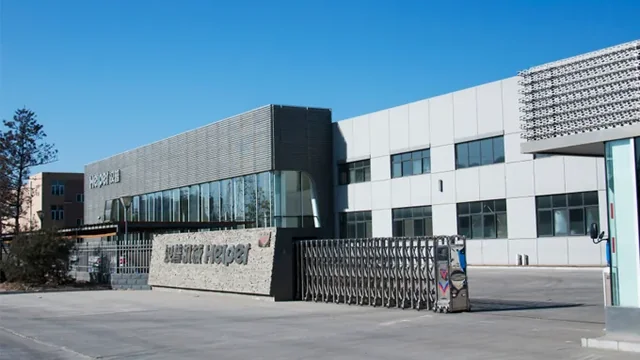
01
Inside Our Factory
See our manufacturing, assembly and inspection activities.
Explore videos →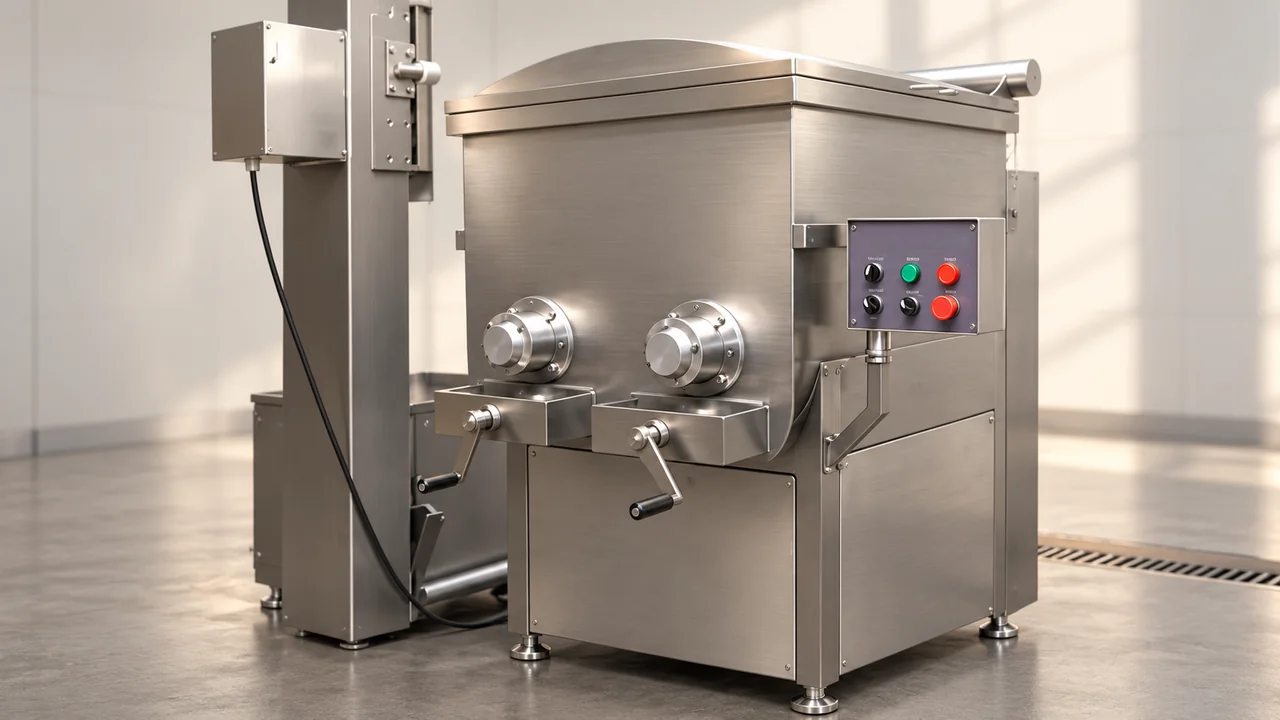
02
Machines in Operation
Watch equipment loading, operation, controls and discharge.
Explore videos →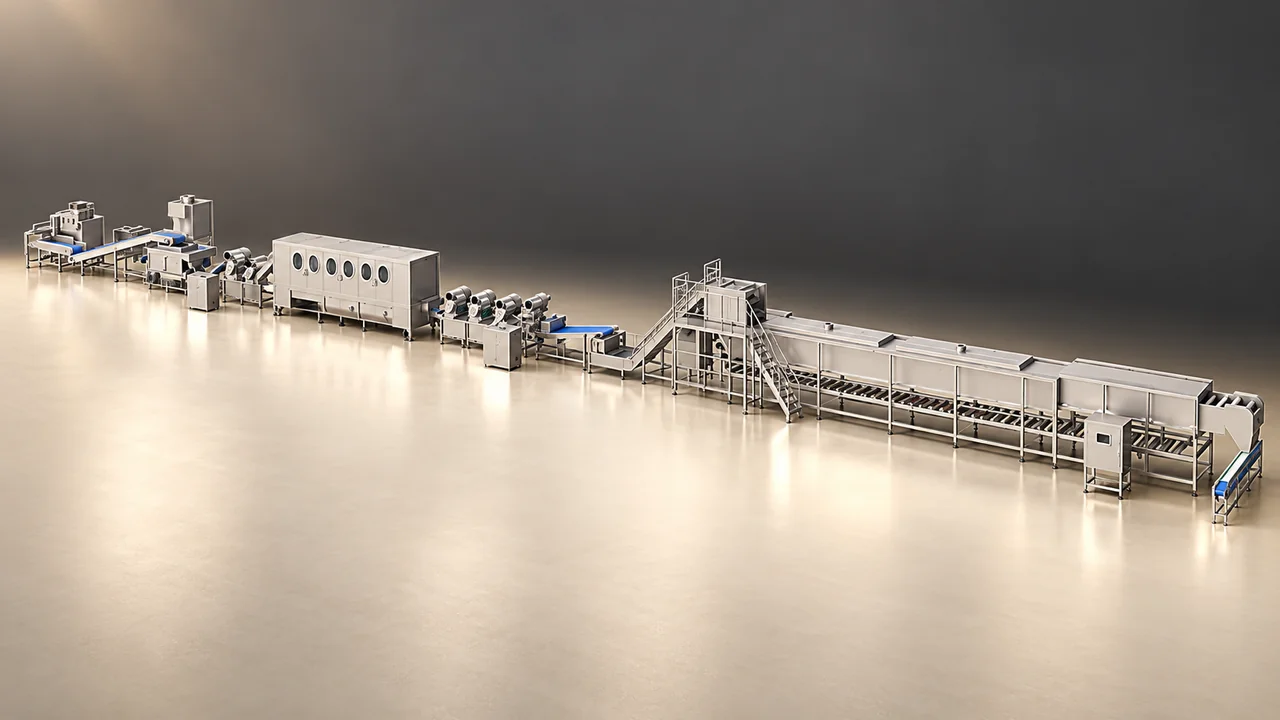
03
Production Line Solutions
Follow connected food-processing stages and equipment.
Explore videos →More workshop videos
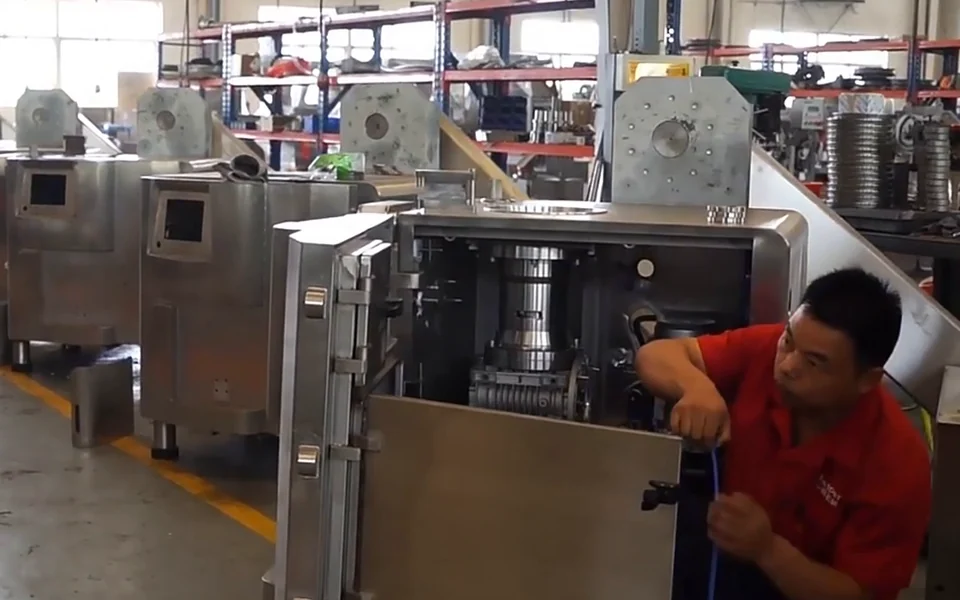
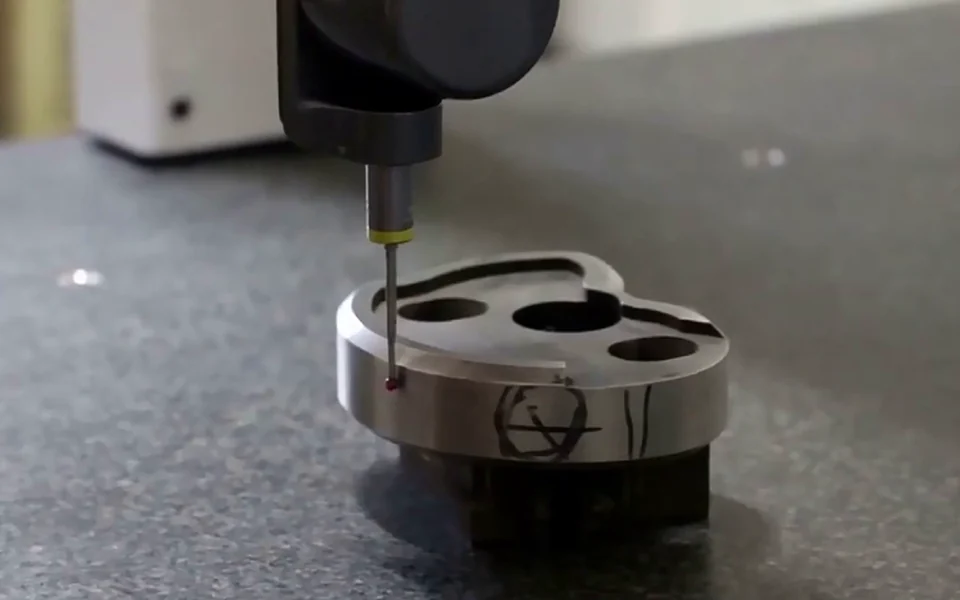
The work behind your equipment.
Explore the manufacturing, assembly and dimensional checks shown in our factory materials, then review the configuration and inspection records relevant to your order.
Review company information →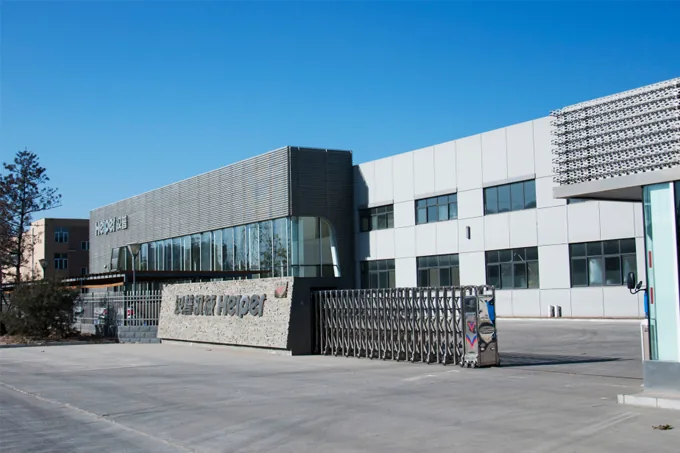
TRIAL & ACCEPTANCE
From product samples to an agreed acceptance plan.
Define the food, the operating conditions and the assessment method before deciding whether a machine meets your production needs.
START WITH THE FOOD
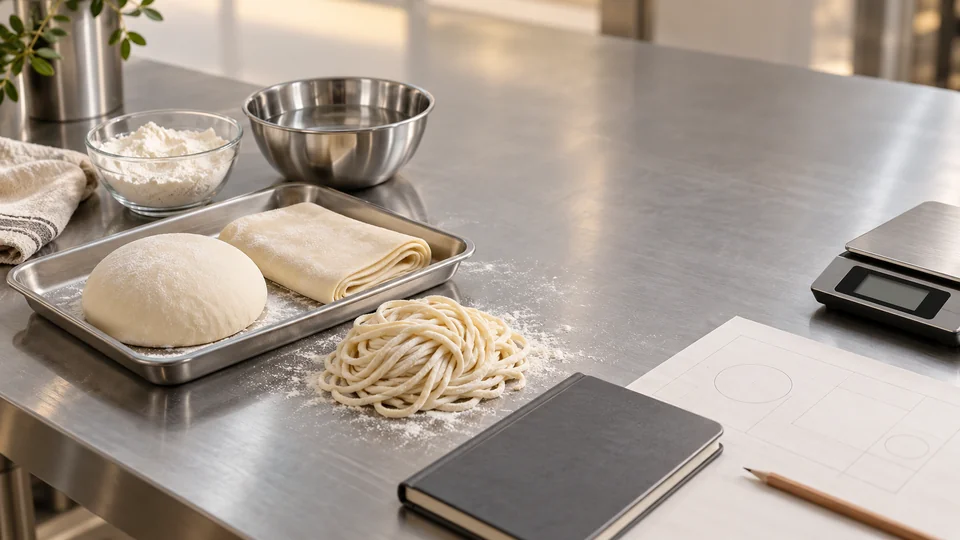
Bring the product. Define the test.
A useful trial compares an agreed product target with observed results under recorded conditions. The sample recipe and machine configuration belong in the same discussion.
Prepare a project brief →- 01
Product brief
Describe your ingredients, recipe, finished-product dimensions and required texture. Include the output target and available utilities.
- 02
Trial conditions
Agree the material quantity, machine configuration, tooling and operating sequence to be evaluated. Confirm how samples and participation will be arranged.
- 03
Acceptance record
Set the measurements, run duration and assessment points before the trial. Record the configuration and conditions alongside the observations.
- 04
Shipment readiness
Review outstanding actions, equipment scope, drawings, packing requirements and the handover documents in the approved project agreement.
Regional cooperation
Work with HELPER in your region.
Bring technical service capability or develop food-machinery projects in your market. Choose the cooperation route that fits your team.
Regional Service Partners
Can your team install, commission, train, maintain or repair food machinery? Introduce your company and service area. HELPER reviews capability and cooperation scope before a suitable customer introduction.
Apply as a service partner →Sales Representatives & Distributors
Develop qualified equipment opportunities and local customer relationships. Review HELPER's existing programme for territory, account registration, commission and factory support.
Explore sales partnerships →Service applications are open across regions. Customer introductions depend on review, confirmed scope and project-specific availability.
Flour Food Processing Equipment
Equipment for developing dough and producing noodles, dumplings, wrappers and other flour-based foods—from batch preparation through forming and line integration.
Explore flour-food equipment →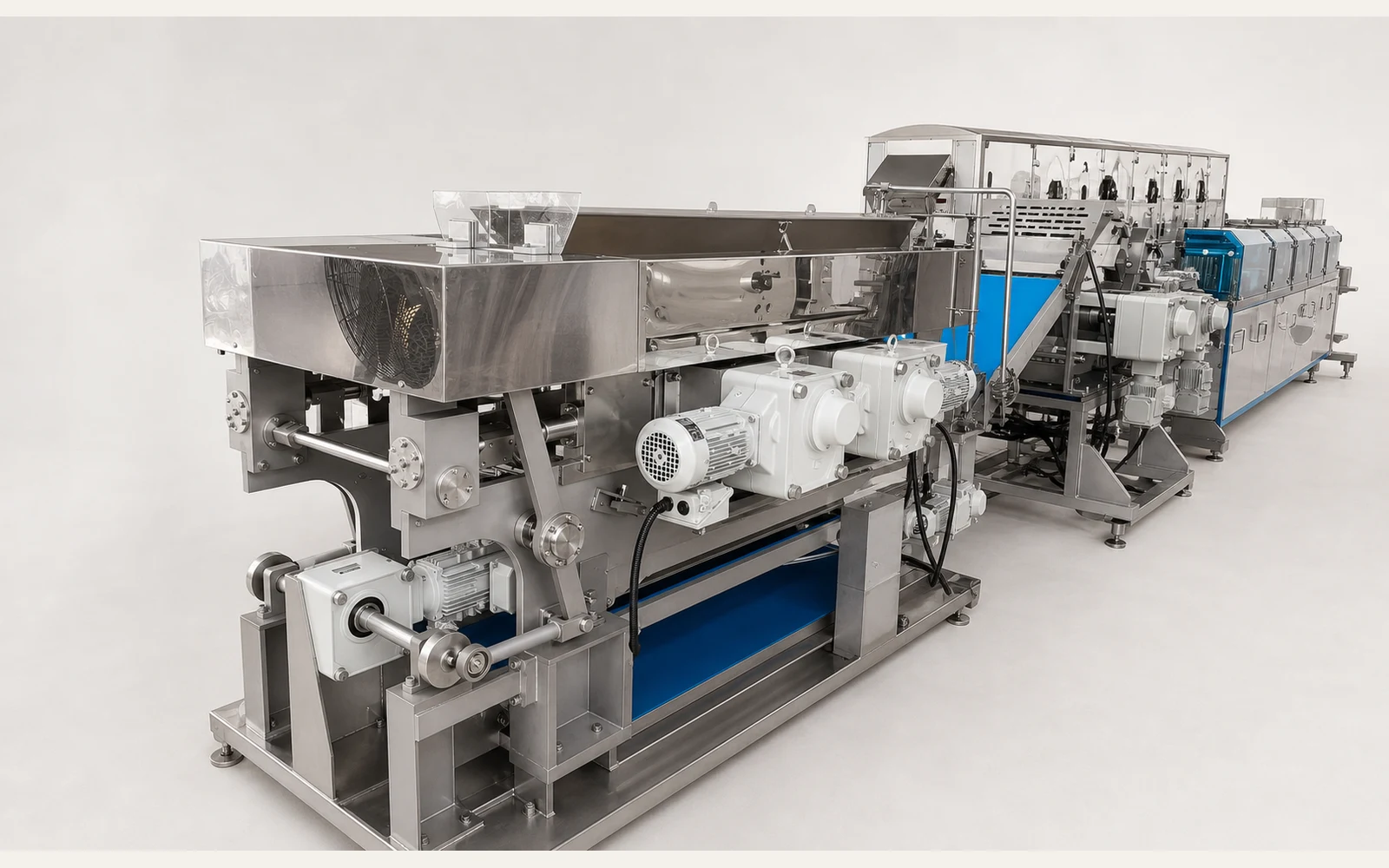
NOODLE PRODUCTION
Automatic Asian Noodle Line
Integrated dough feeding, sheeting, reduction, cutting and conveyor handling for continuous noodle production.
View machine →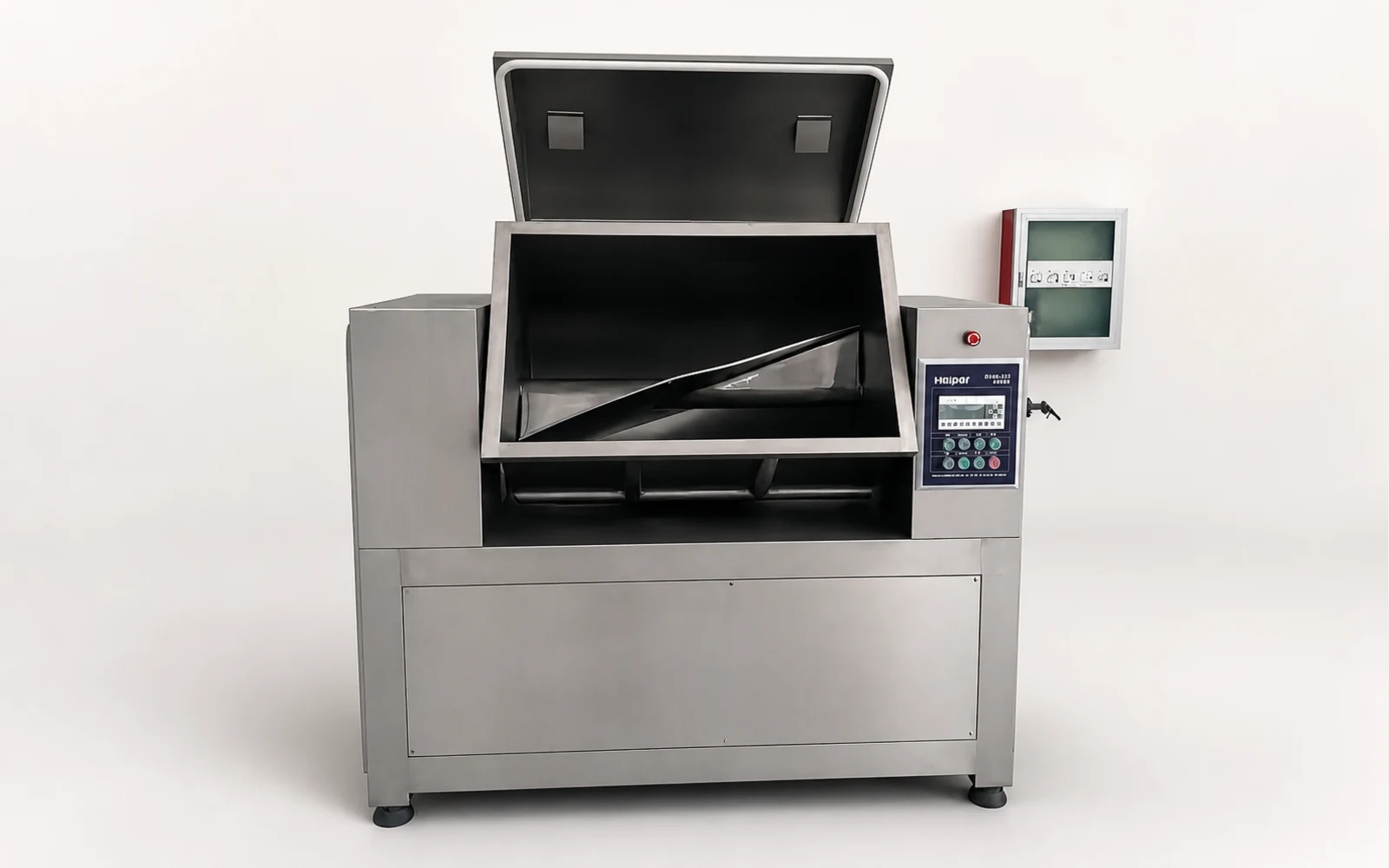
DOUGH PREPARATION
Horizontal Vacuum Dough Mixer
Controlled low-pressure mixing for more uniform hydration, dough structure and downstream sheeting performance.
View machine →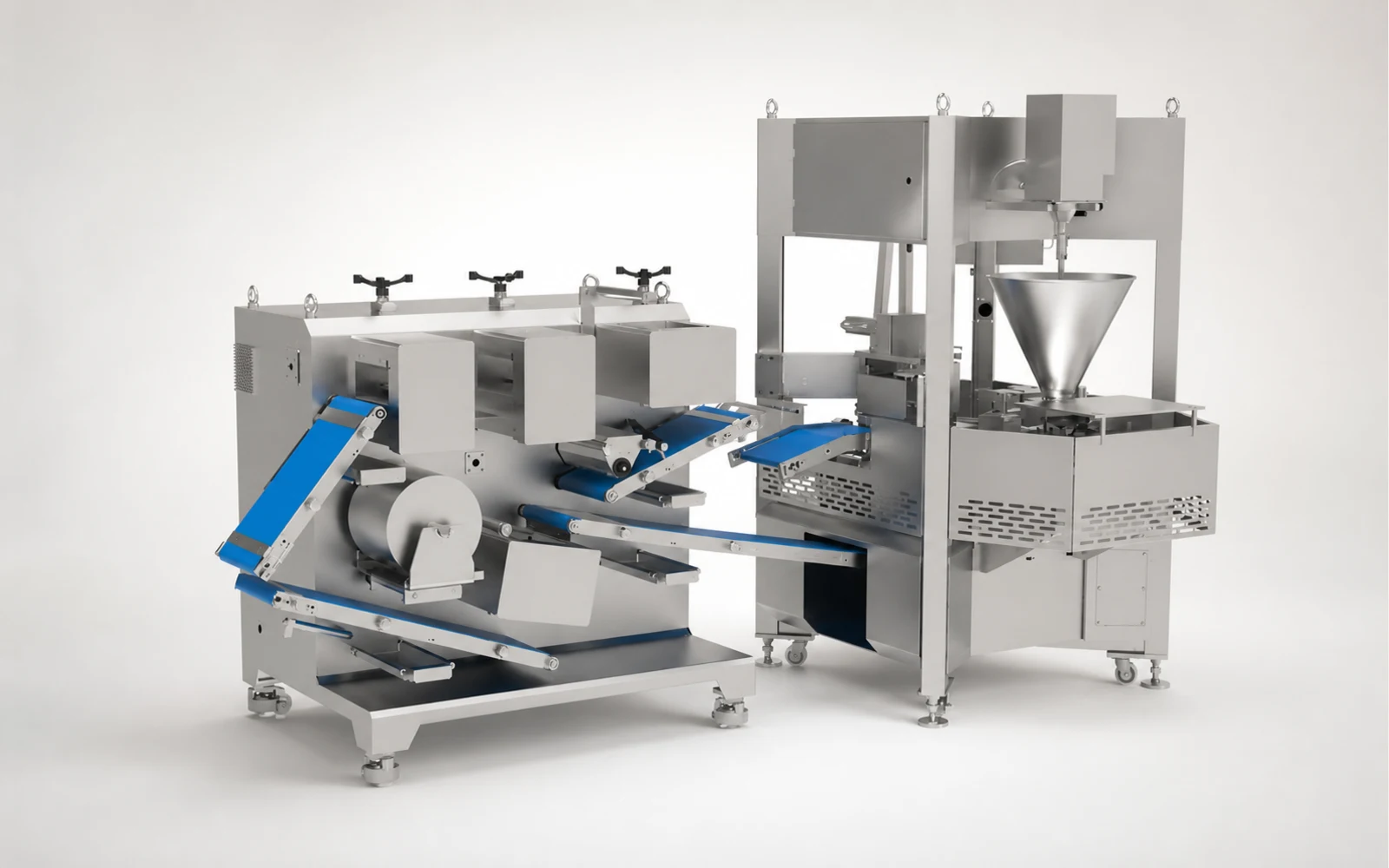
FILLED FOOD FORMING
Servo Dumpling & Gyoza Machine
Automated wrapper feeding, filling and forming for consistent dumpling weight, shape and sealing.
View machine →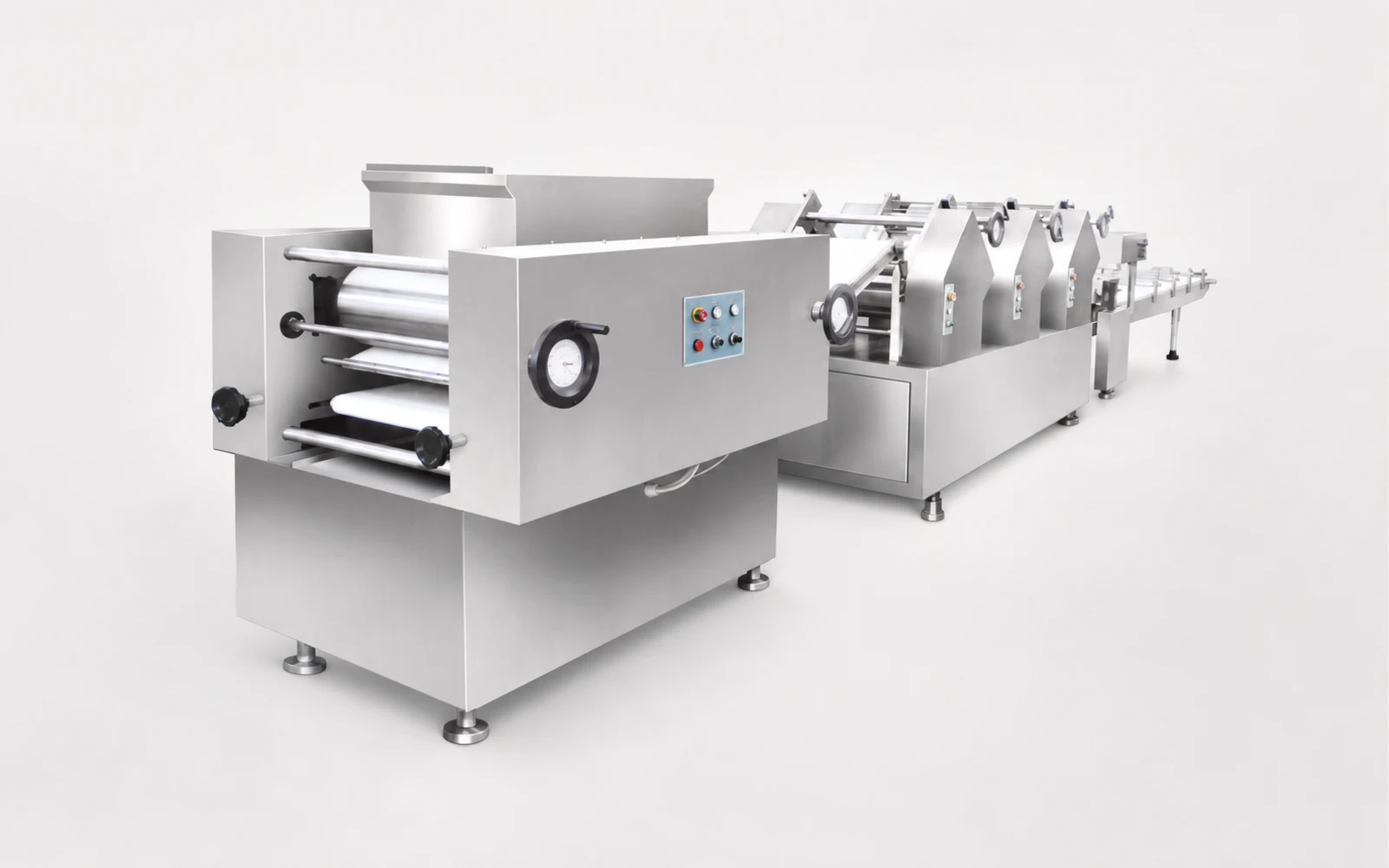
SHEET DEVELOPMENT
Automatic Compound Dough Sheeter
Multi-stage reduction develops smooth, even dough sheets for dumpling wrappers and laminated flour foods.
View machine →From dough to finished product
Noodle production lines, in full view.
Explore seven complete line configurations for fresh noodles, frozen cooked noodles, wrappers and hand-finished products.
Nine line-width platforms
One platform width. Different production routes.
270, 330, 360, 440, 540, 600, 640, 700 and 800 width platforms form the starting point. The selected work units shape the route for your noodle, wrapper or other flour-food product.
Choose the units for the product
Add the cooking, cooling, drying, freezing or packaging operations your product requires. The recipe, texture and finished format determine the combination.
Explore process units & connections →M-270 · 200–400 kg/h
Compact fresh noodle line
Flexible fresh-noodle production for a smaller factory footprint.
M-440 · 600 kg/h
Automatic fresh noodle line
Continuous dough preparation, resting, rolling and noodle cutting.
M-800 · 1,100 kg/h
High-capacity fresh noodle line
An extended production layout for larger fresh-noodle operations.
DM-440 · 5,000–10,000 portions/h
Pre-cooked frozen noodle line
Form, portion, cook and cool noodles before the freezing stage.
P-440 · 350 kg/h
Dumpling & wonton wrapper line
Continuous dough-sheet preparation and forming for wrapper production.
Handmade noodle blanks · Configured to your project
Handmade noodle intermediate line
Prepare rested dough blanks for hand-finished noodle products.
Chinese hand-rolled noodles · Three kneads · three rests
Chinese hand-rolled noodle line
Develop high-moisture dough through repeated kneading and resting.
Catalog layouts shown. Final capacity and installation length depend on the selected product and project configuration.
Browse noodle production lines →3 process families · 9 published models
Choose the dough mixer by the dough—not by bowl size alone.
Compare vacuum hydration for noodles and wrappers, bowl-cooled mixing for bakery dough, and dedicated high-hydration systems for tangyuan and taro-ball production. Published batch figures retain their original dry-flour or mixed-dough definitions.
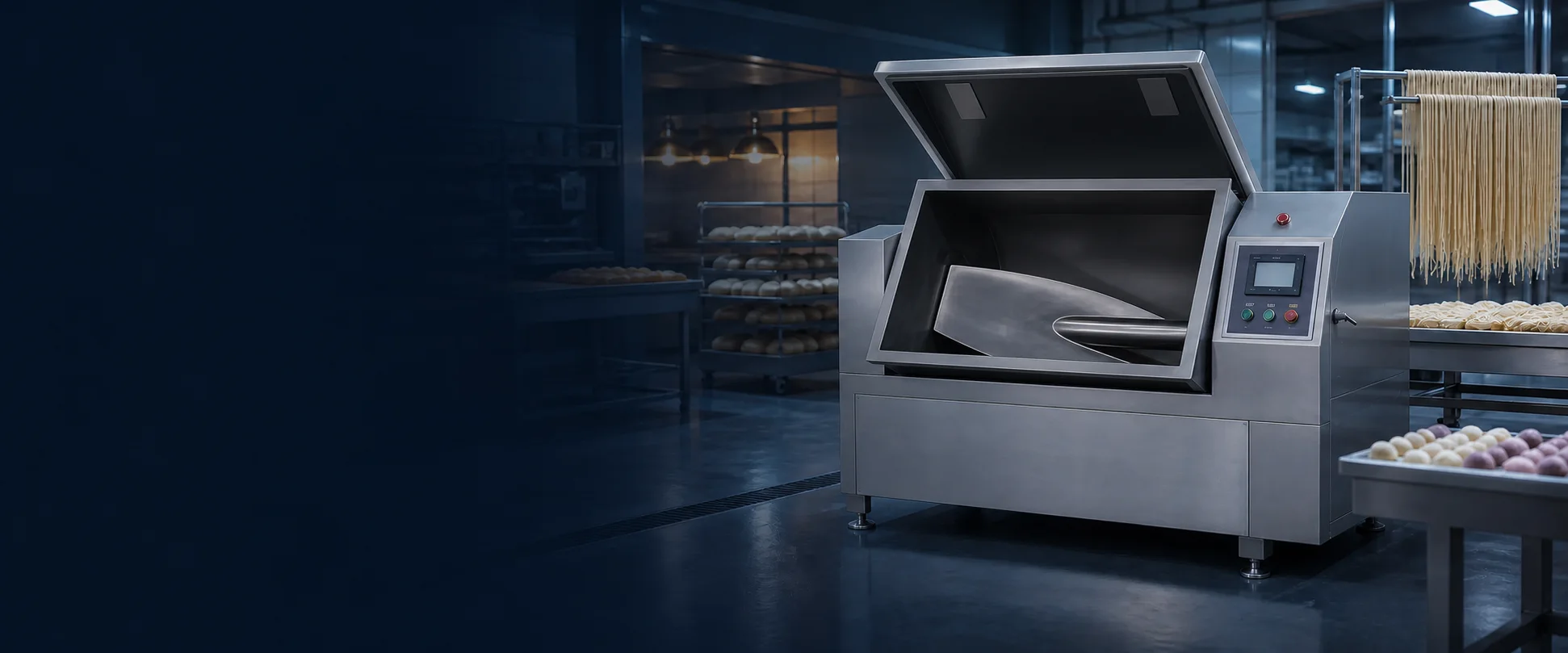
Noodles & wrappers
ZKHM-40 / 150 / 300 / 600 · 7.5–200 kg dry flour per batch.
Compare models →Bakery dough
HM-150HP / 300HP / 600HP · 50–200 kg mixed dough per batch.
Compare models →Tangyuan & taro balls
HM-300H / 650H · 100 kg and 250 kg published batch options.
Compare models →Meat Processing Equipment
Industrial machinery for cutting, size reduction, mixing, filling and thermal processing across sausage, prepared meat and portion-controlled product applications.
Explore meat equipment →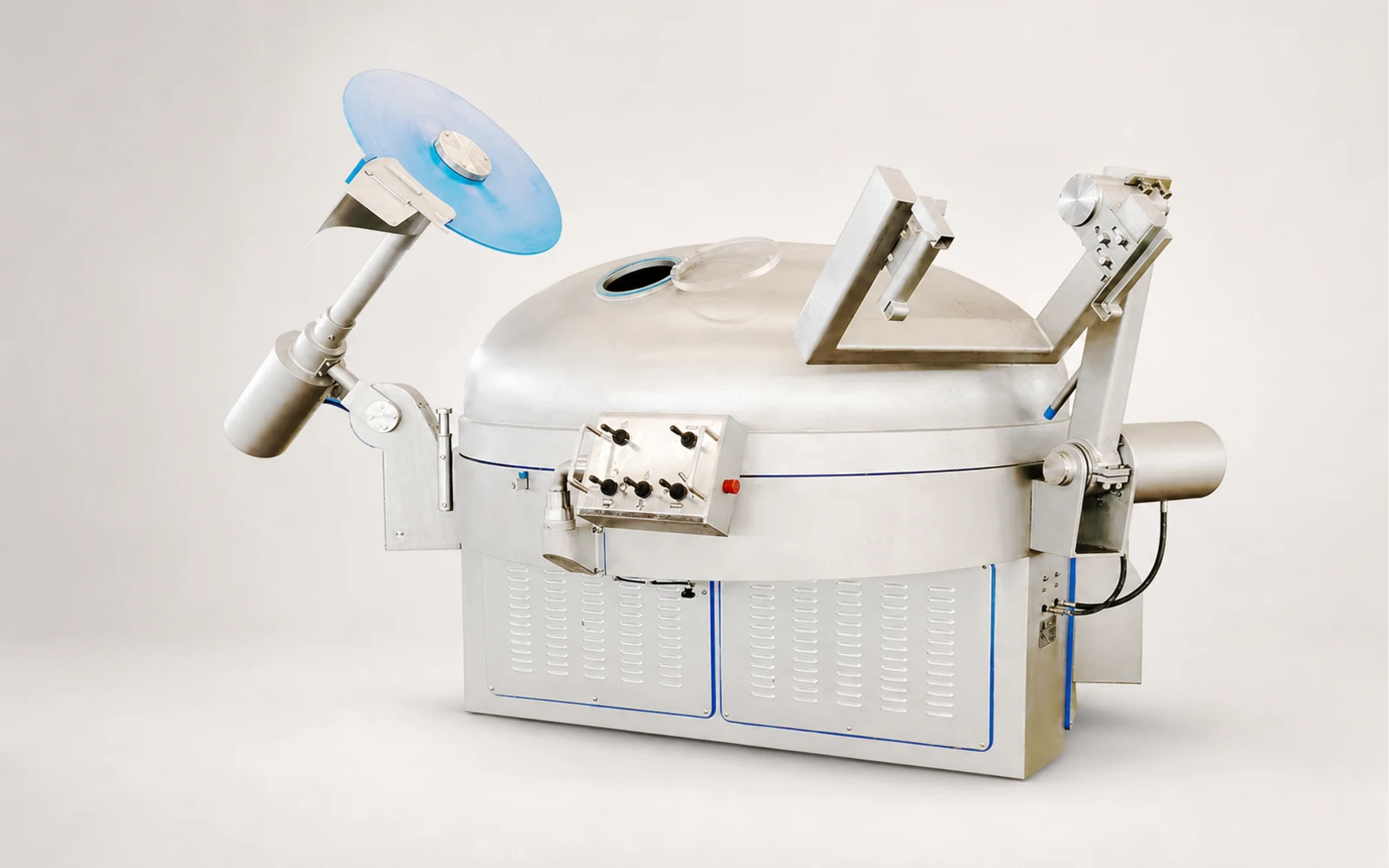
FINE CUTTING
ZKZB-550 Vacuum Bowl Cutter
High-capacity vacuum chopping for controlled particle size, protein extraction and stable meat emulsions.
View machine →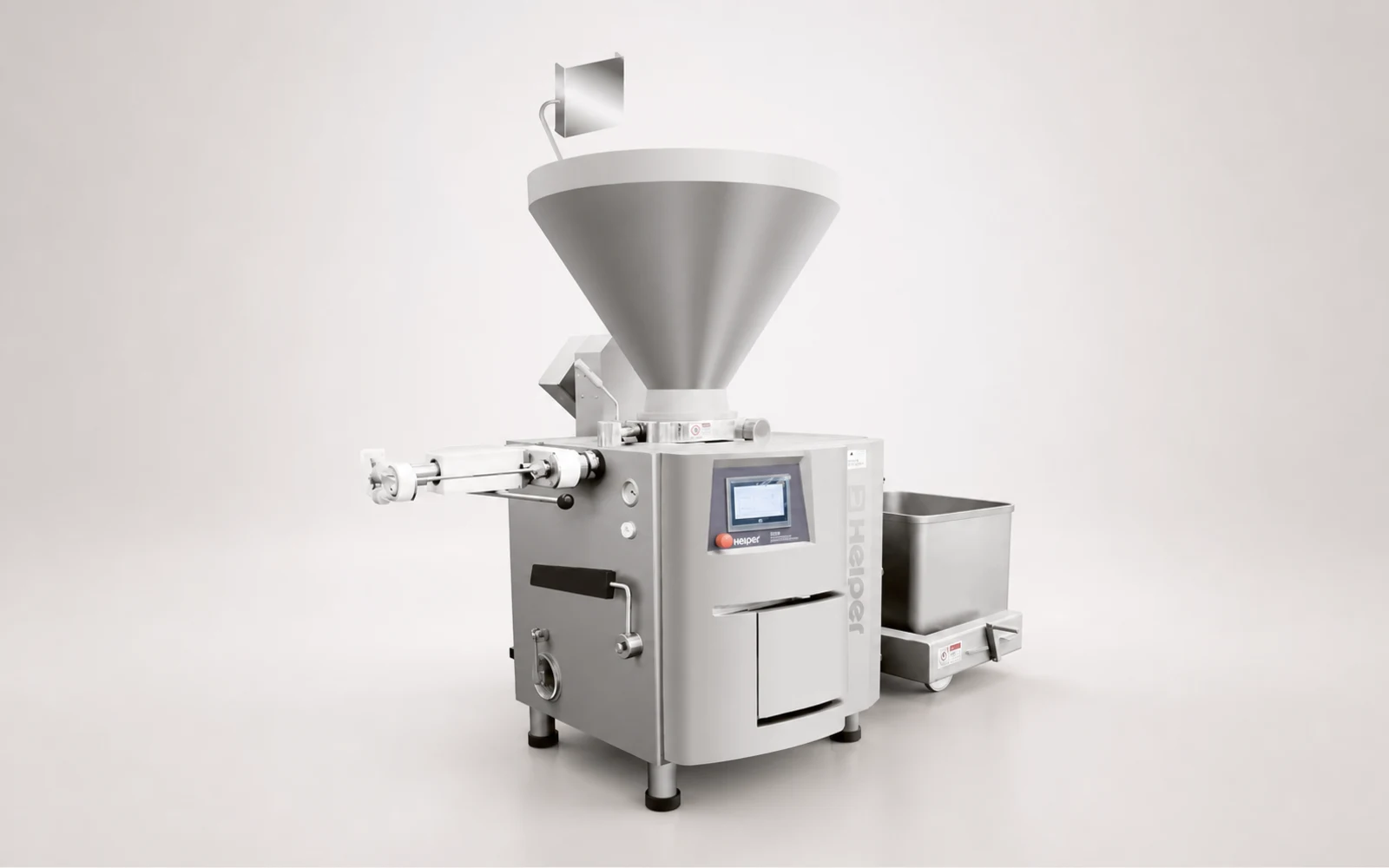
PORTIONED FILLING
ZKG-6500 Vacuum Sausage Filler
Servo-controlled vacuum filling for repeatable portions and clean product flow across common sausage formats.
View machine →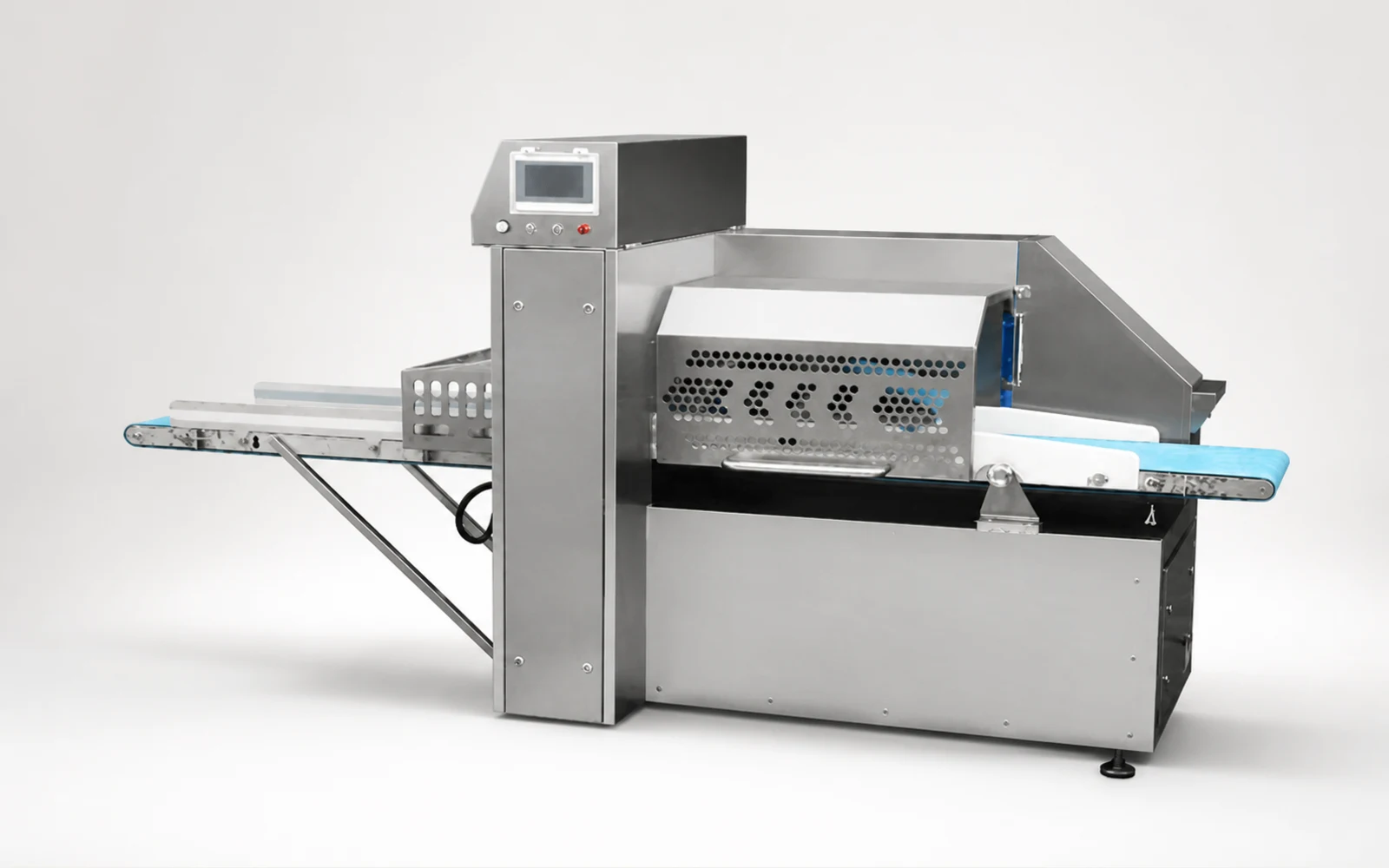
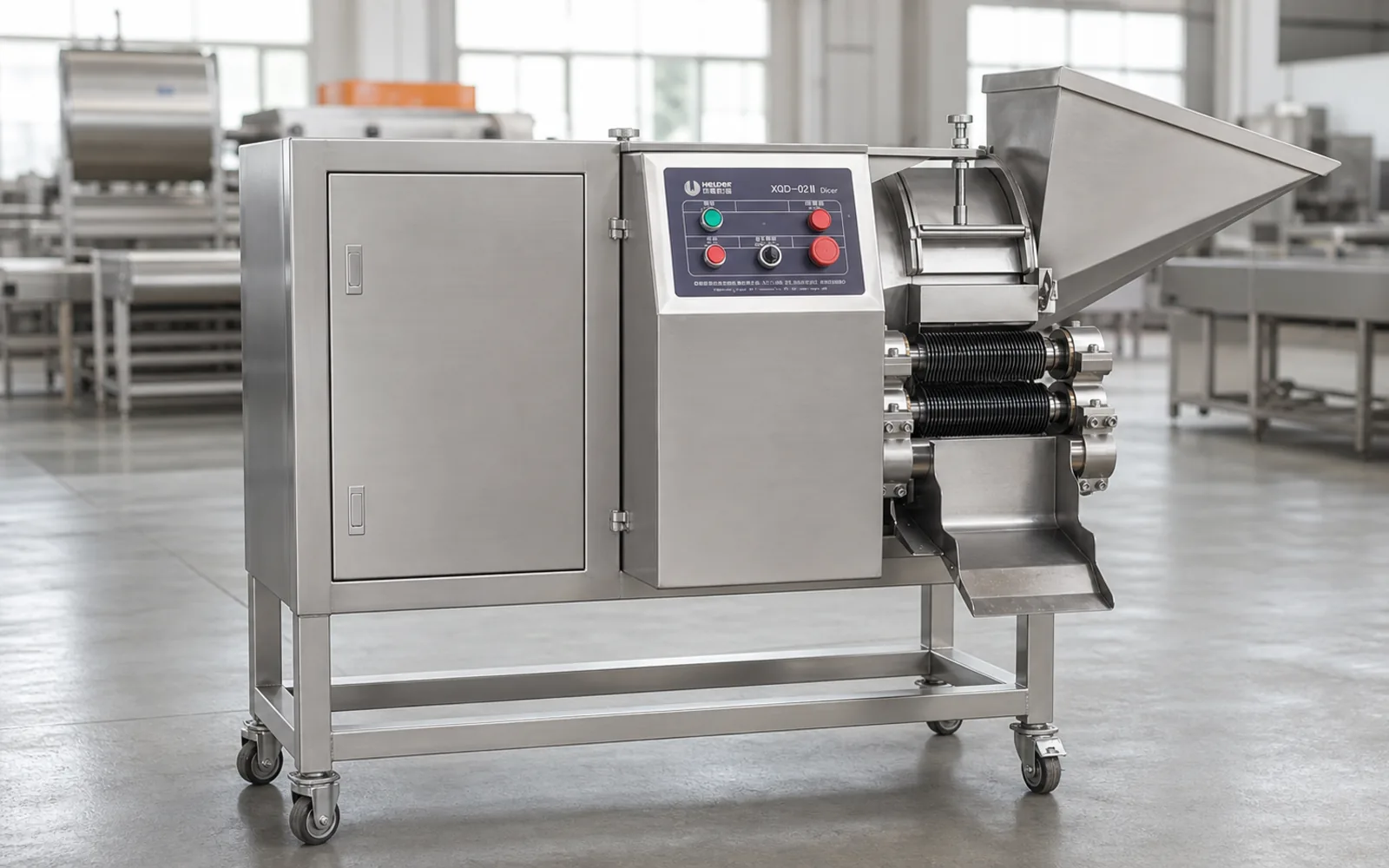
PRECISION DICING
QD-420 Frozen Meat Dicer
Heavy-duty cutting for consistent cubes and strips from chilled or frozen raw material.
View machine →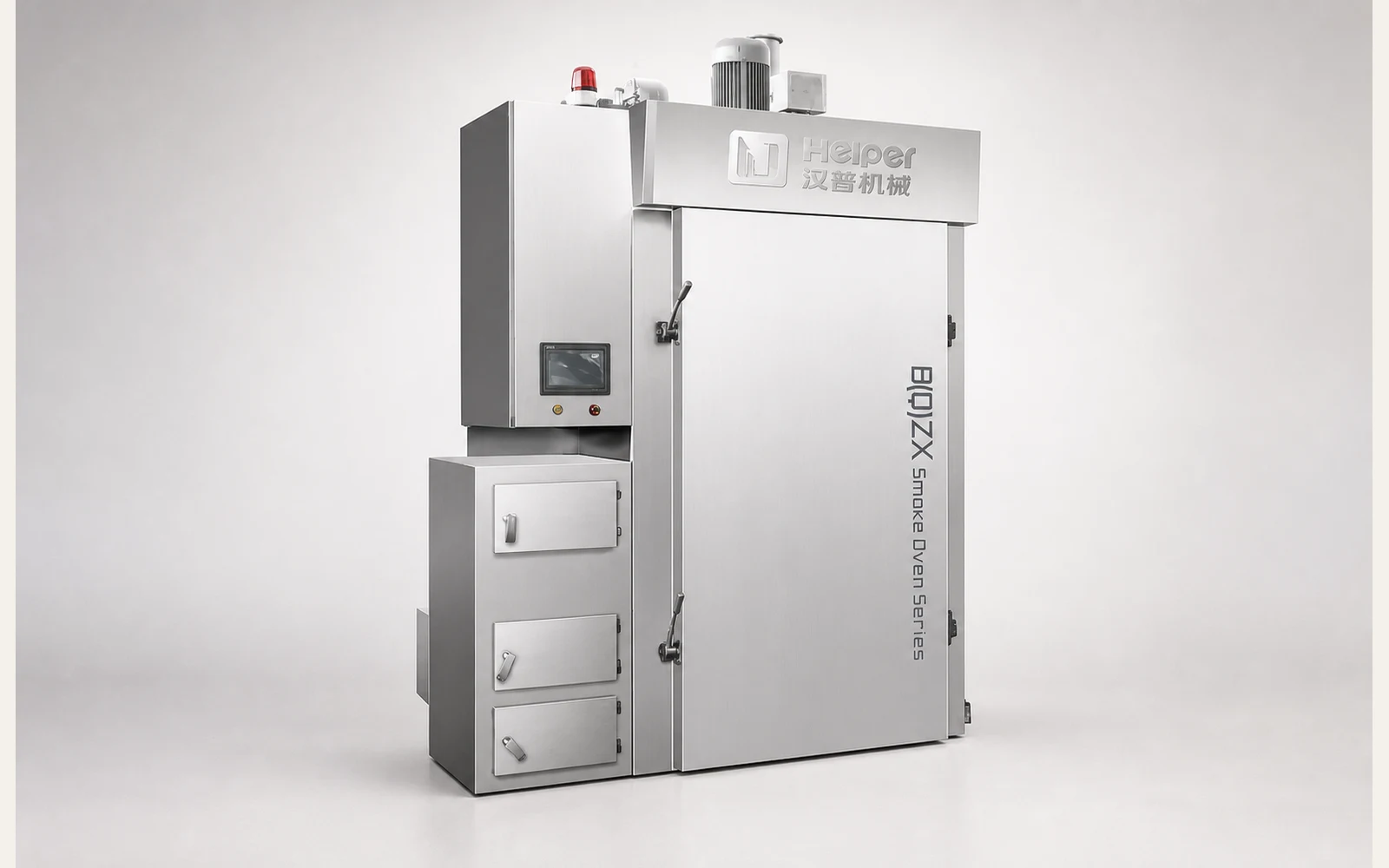
THERMAL PROCESSING
QZX Automatic Smokehouse System
Programmable cooking, smoking, drying and cooling for sausage and processed-meat production.
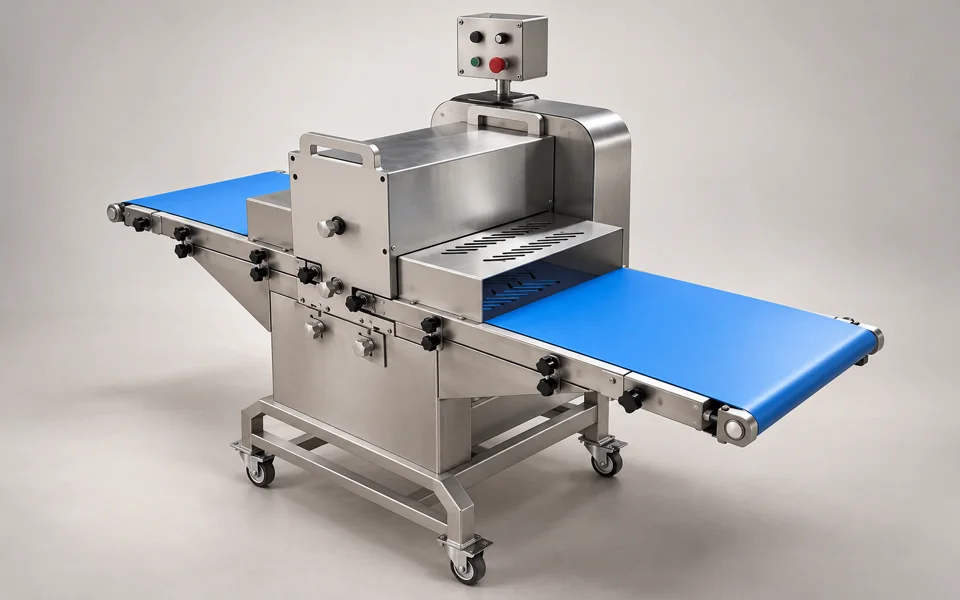
View machine →Flour-Food Line Support Equipment
Downstream packaging, steaming, hygiene and material-handling equipment selected to connect flour-food processing stages into a practical factory workflow.
Explore supporting equipment →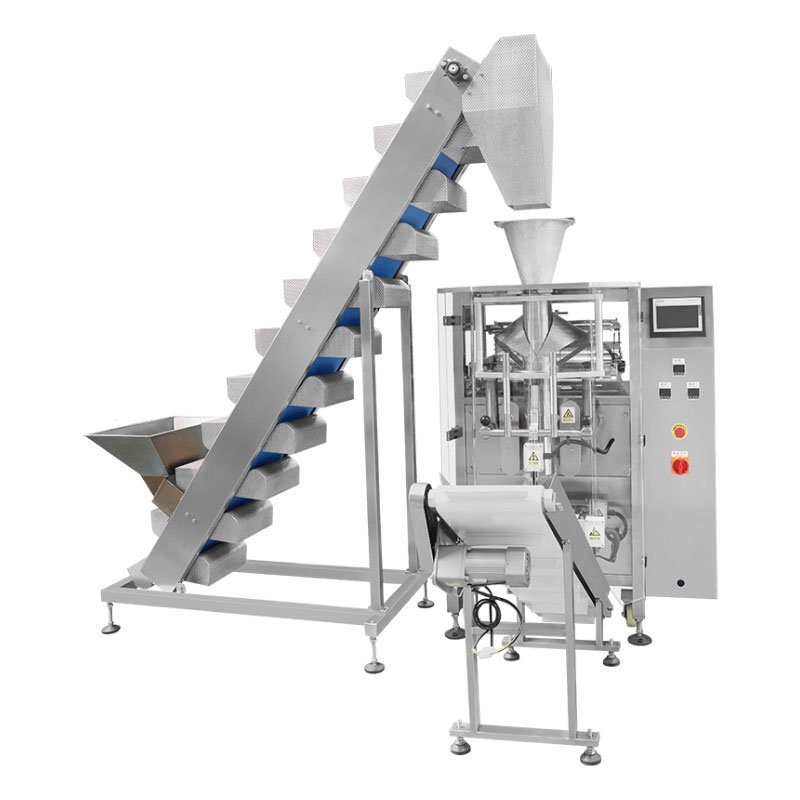
FRESH NOODLE PACKAGING
BZJ-420 Vertical Packaging Machine
Automated weighing, bag forming, filling and sealing for fresh noodles and compatible flour-food products.
View machine →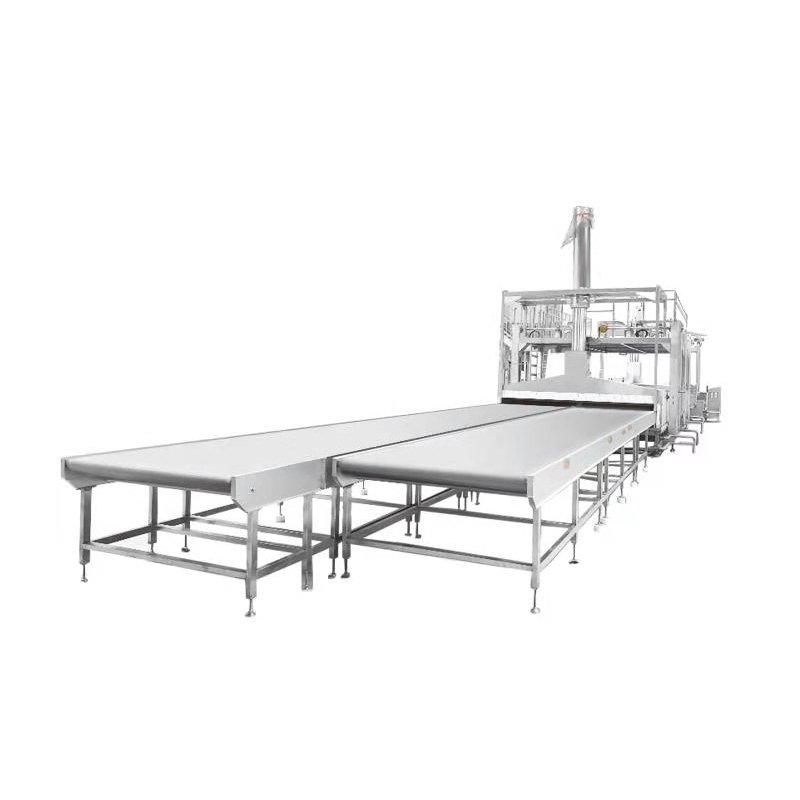
CONTINUOUS STEAMING
Dumpling & Noodle Steaming Tunnel
Controlled continuous thermal processing between forming and cooling, freezing or packaging stages.
View machine →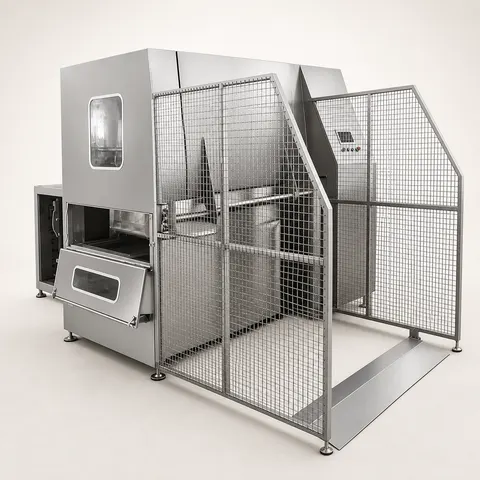
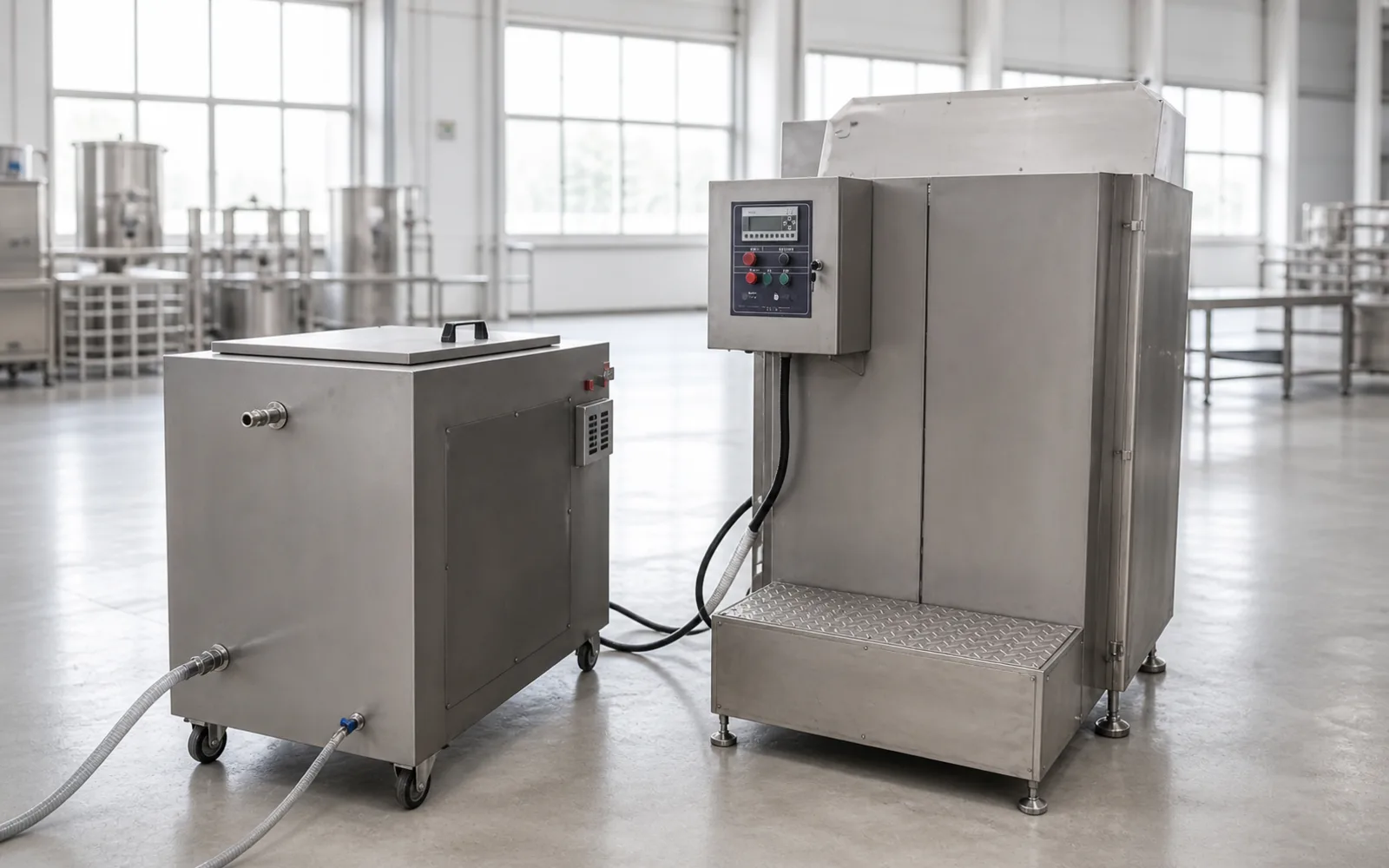
FACTORY HYGIENE
QXJ-200 Automatic Euro-Bin Washer
Enclosed high-pressure washing supports repeatable container sanitation and cleaner material handling.
View machine →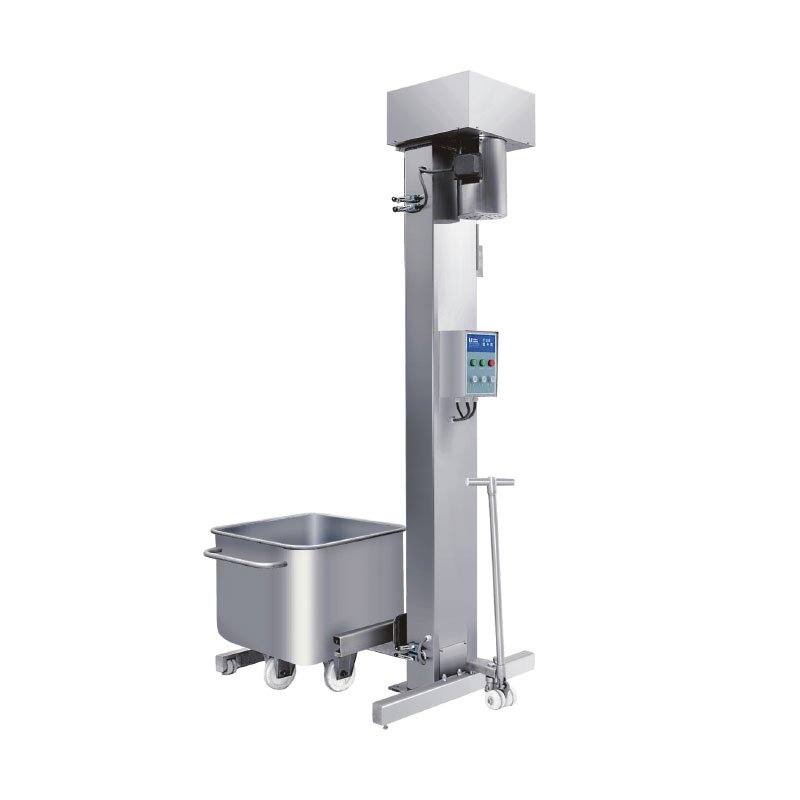
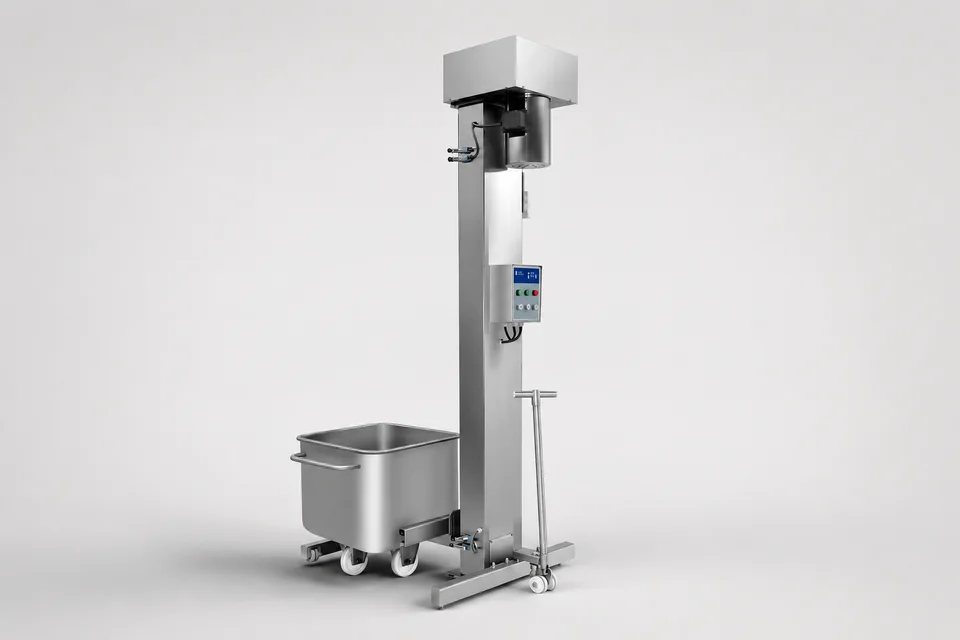
MATERIAL HANDLING
YT-200 Movable Bin Hoist
Mobile lifting and controlled discharge for connecting preparation equipment with downstream processing stages.
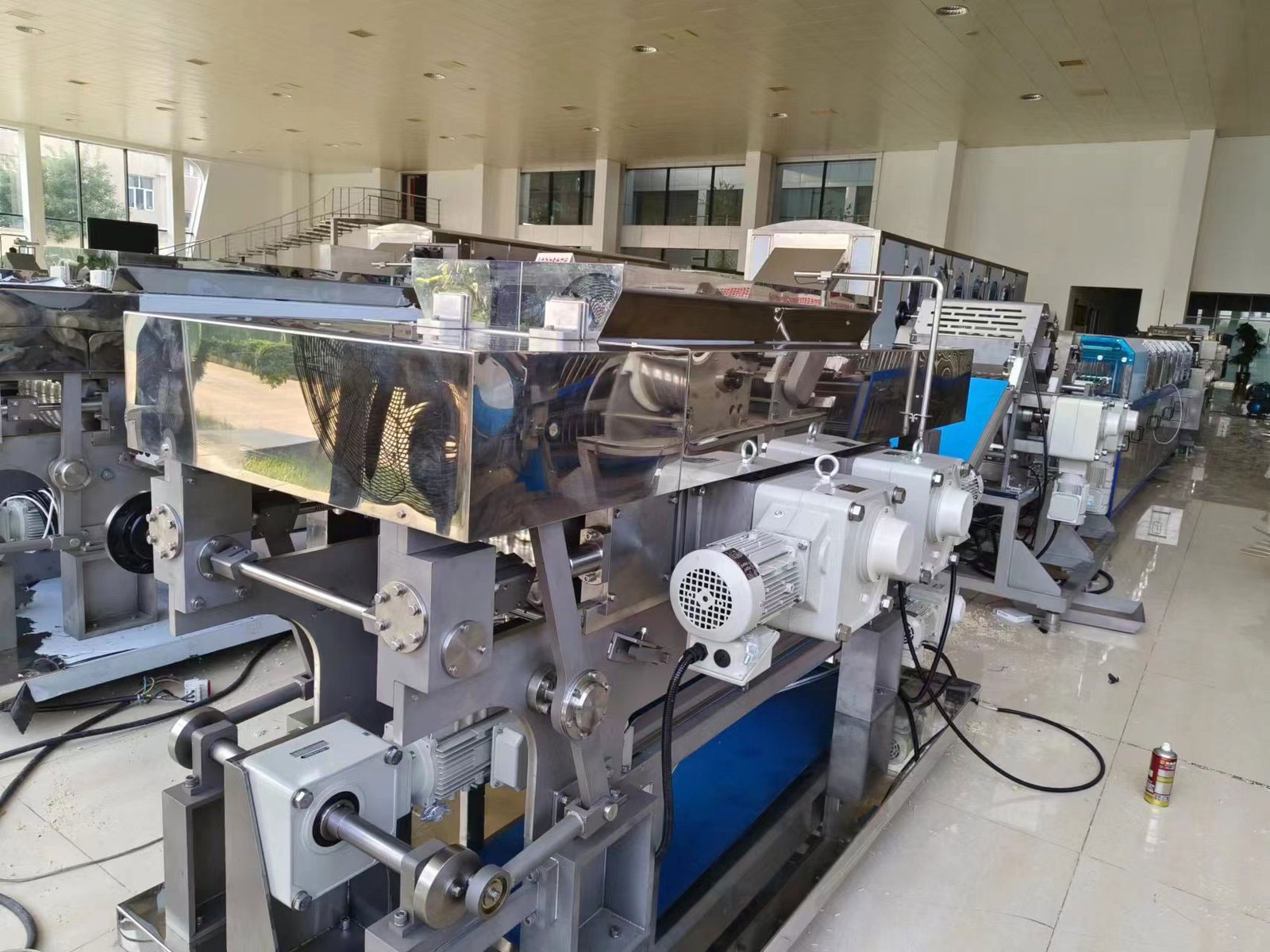
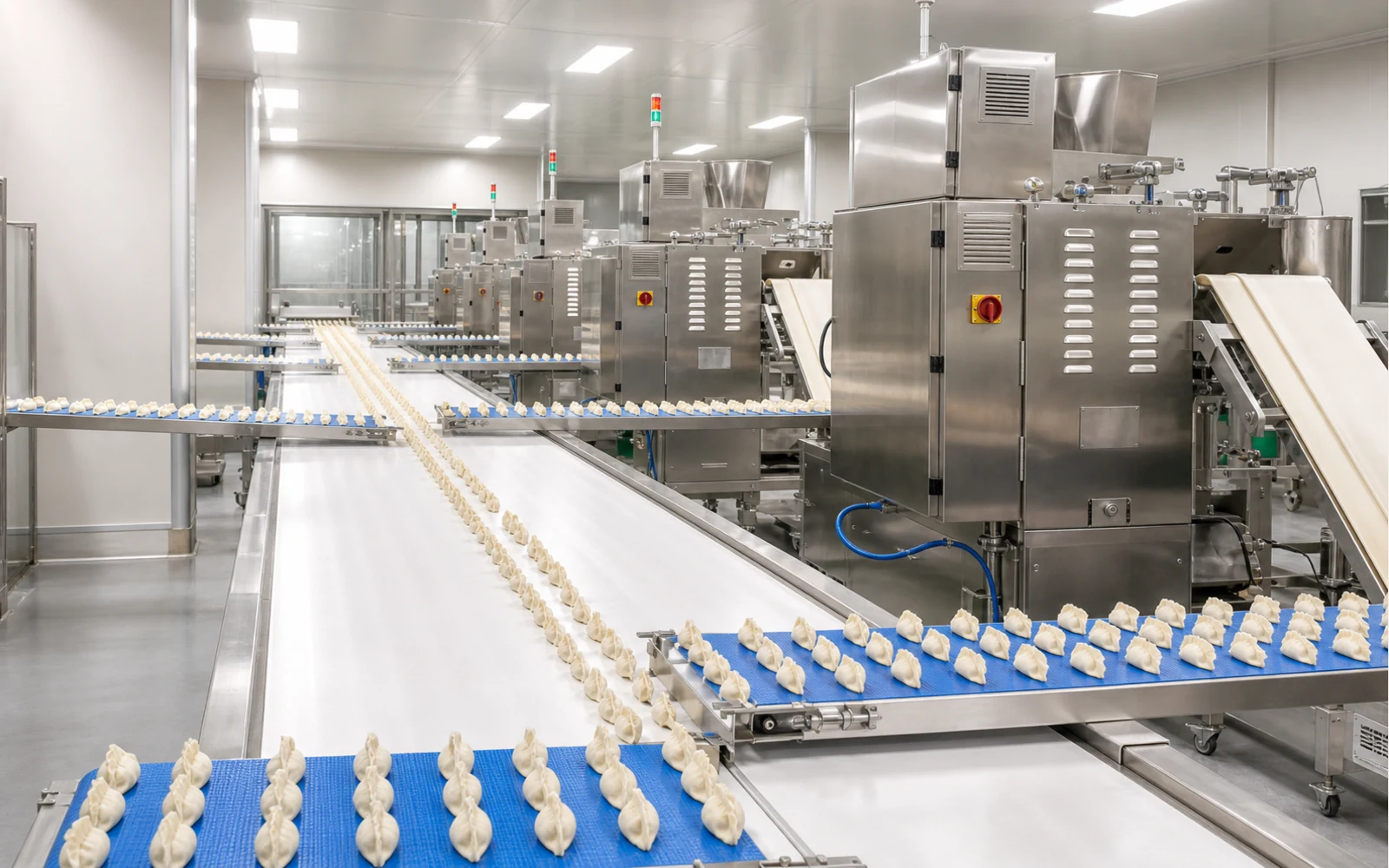
View machine →Production lines built around accepted output.
Every line is configured against product format, recipe, hourly capacity, utilities, factory layout and the downstream pack.
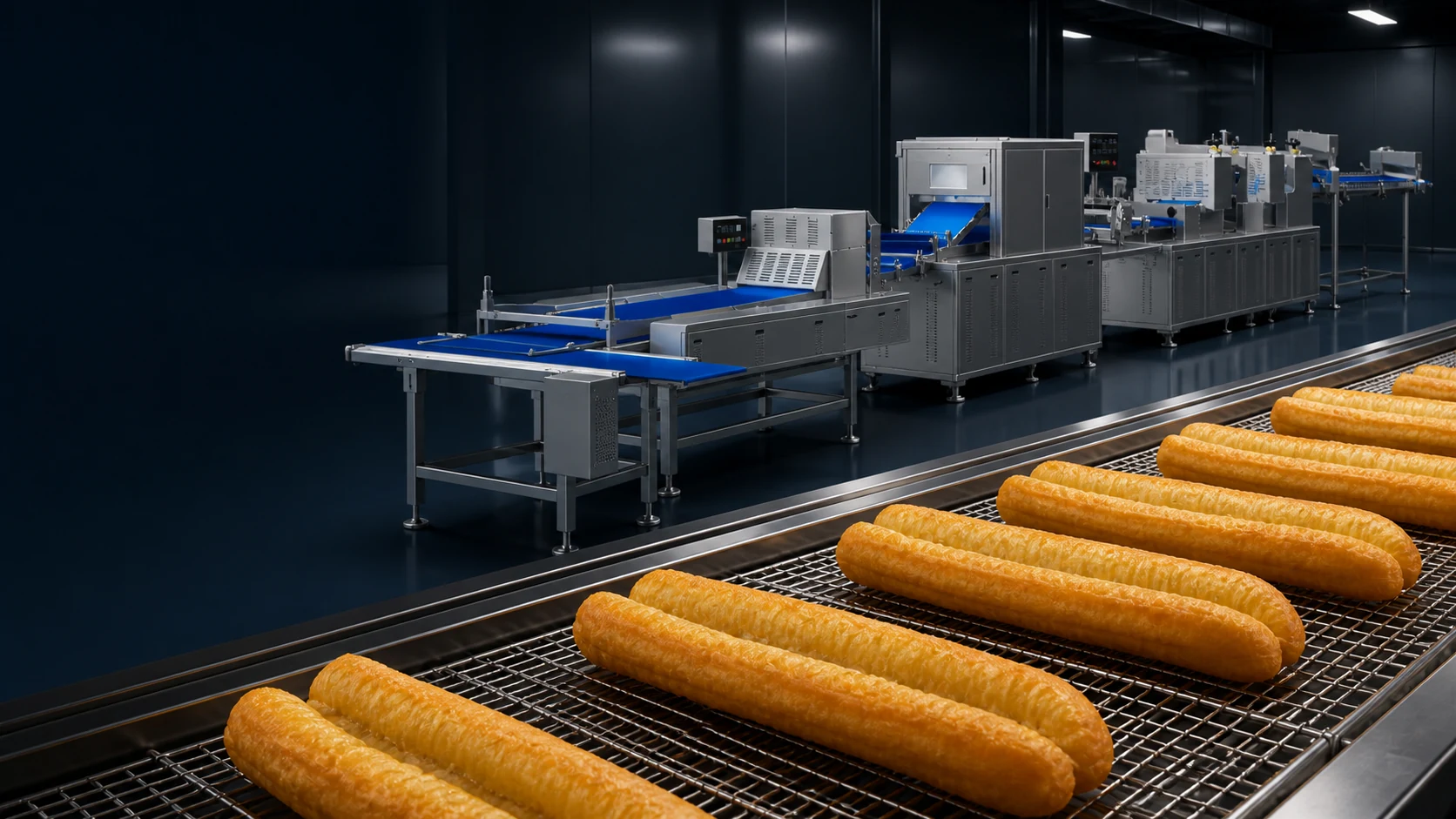
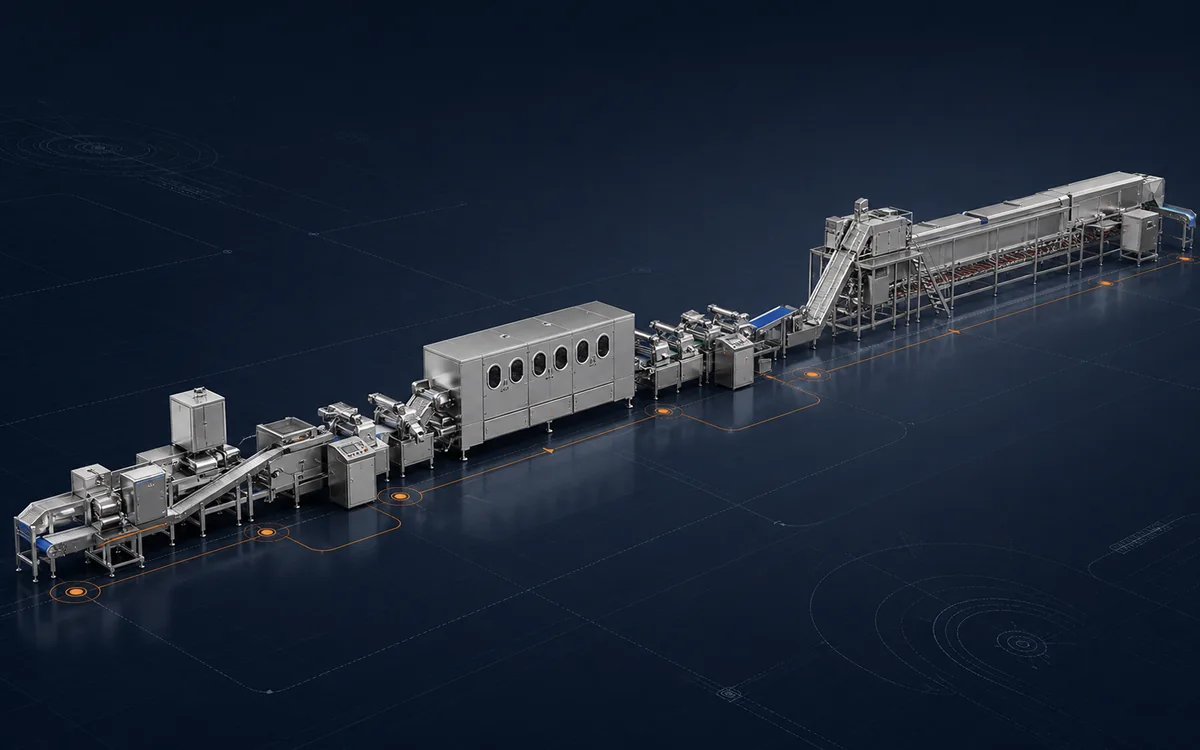
Your product sets the engineering brief.
Every HELPER machine can be configured or re-engineered around the food, accepted output, hygiene boundary, utilities and factory interfaces. Our in-house design team defines that boundary before equipment is built.
-
1.0
Configure a proven machine
Capacity, materials, controls, tooling and connection interfaces.
-
2.0
Engineer the special case
Machine structure and operating method adapted to the food and process result.
-
3.0
Integrate the complete line
Process stages, layout, utilities, automation and downstream handoff.
Turn production targets into an engineering brief.
Estimate capacity, utilities, material demand and operating cost before comparing machine models. Each topic connects practical calculators with supporting engineering guides.
42 tools · 40 supporting guides · 6 planning librariesCertifications, patents and company credentials
Explore four selected patent certificates from HELPER’s development in dumpling handling, wonton forming, adaptive pressing and dicing. The full directory includes all six supplied patent grants, alongside product compliance, quality-management and company records.
View all certificates →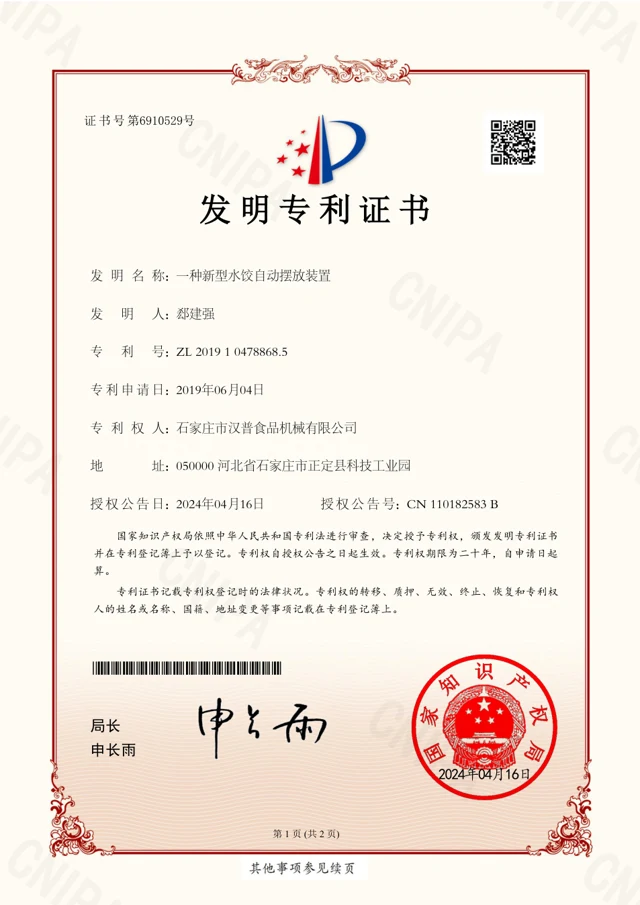
Automatic Dumpling Placement
ZL 2019 1 0478868.5View certificate →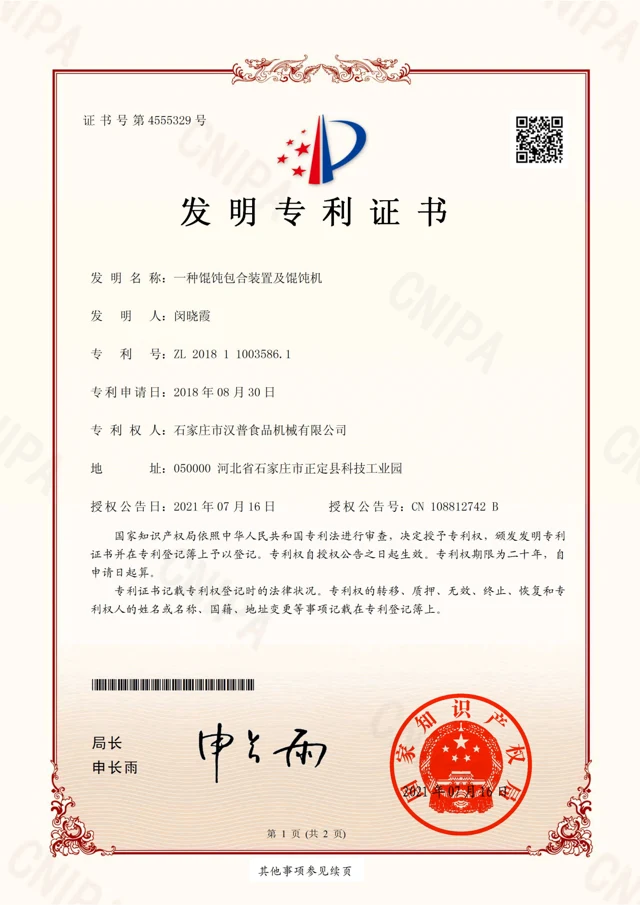
Wonton Enclosing Device
ZL 2018 1 1003586.1View certificate →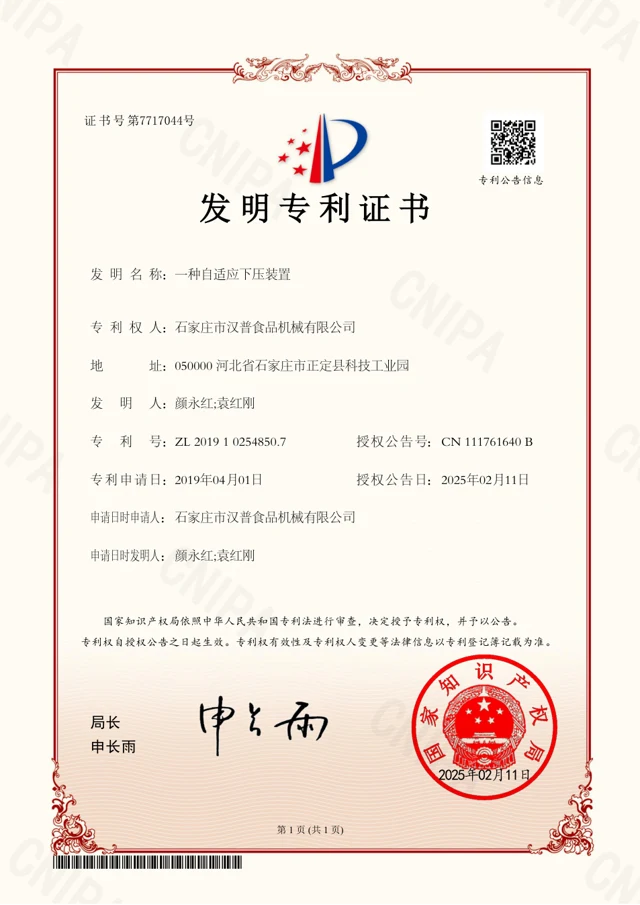
Adaptive Pressing Device
ZL 2019 1 0254850.7View certificate →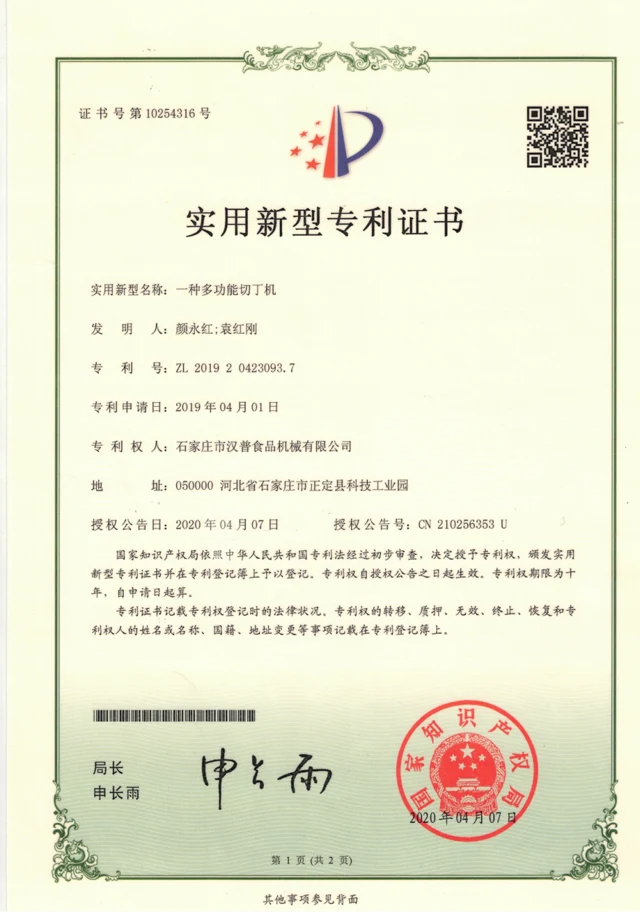
Multifunction Dicing Machine
ZL 2019 2 0423093.7View certificate →Continue with technical guidance and project documents.
Move from process questions into selection guidance, layouts, documented applications and downloadable material.
Knowledge Center
Read process, equipment-selection, installation, operation, maintenance and troubleshooting guidance organized around the decisions a food factory must make.
Explore technical knowledge →APPLICATION PLANNING
Explore the production route before you specify the line.
Start with the food and the process interfaces. These planning examples show what to discuss; the final equipment and delivery scope are defined for each project.
Fresh noodle production
- Start with
- Flour, recipe, noodle format and the required finished-product condition.
- Connect the stages
- Review mixing, dough handling, sheeting, cutting and collection as one route.
- Confirm the boundaries
- Agree output conditions, transfers, floor space, utilities and downstream handling.

Sausage preparation & filling
- Start with
- Meat condition, particle size, recipe, casing and finished-product format.
- Connect the stages
- Review size reduction, mixing, filling and the downstream process required by the product.
- Confirm the boundaries
- Define temperature handling, cleaning access, product transfer and the applicable acceptance plan.
PRODUCT LITERATURE
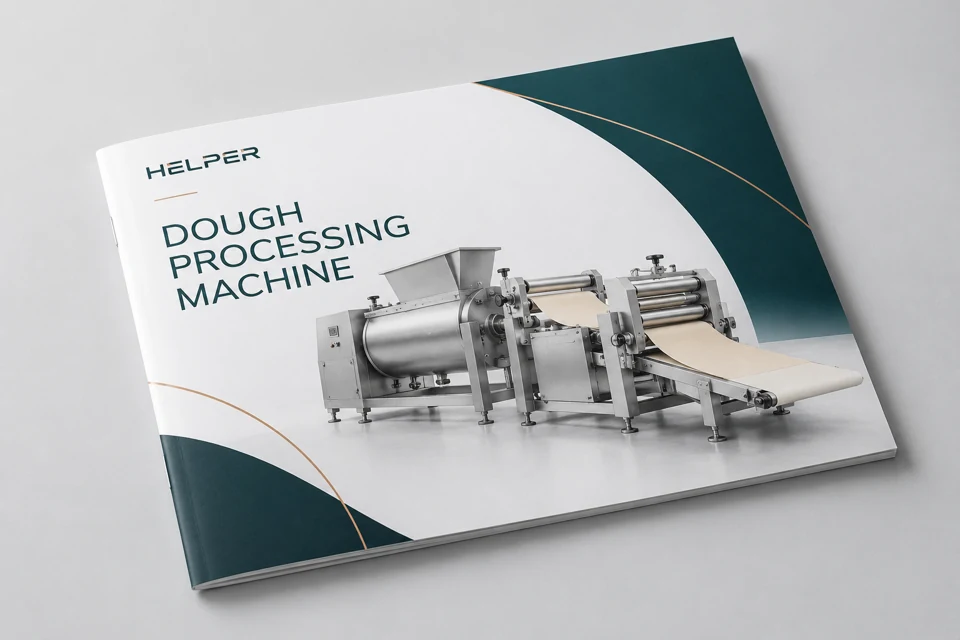
Dough Processing Machine
Explore dough mixing, sheeting, forming and supporting processing equipment.
View brochure ↗Download PDF ↓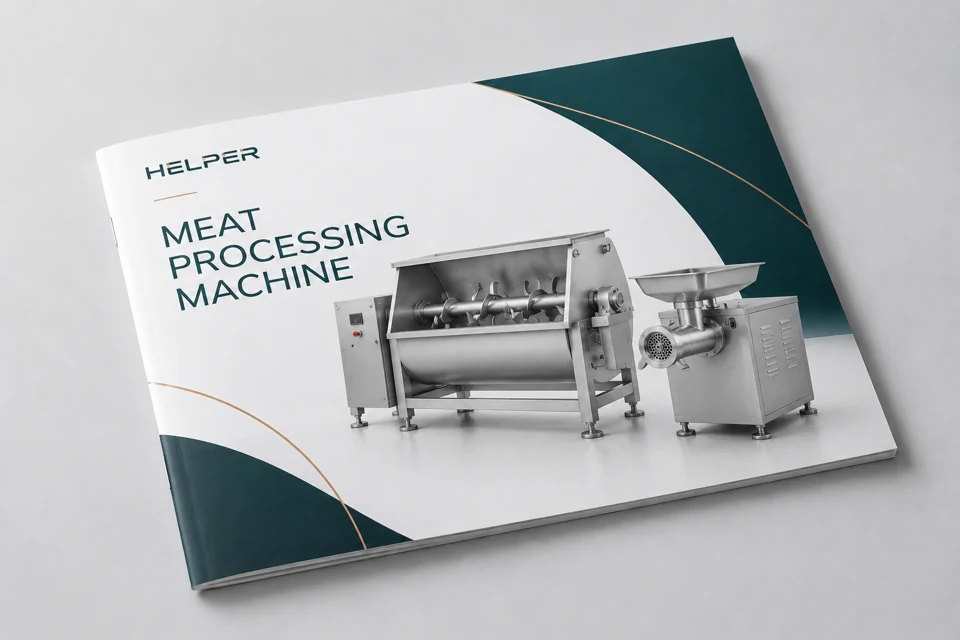
PRODUCT LITERATURE
Meat Processing Machine Catalog
Explore meat preparation, mixing, filling and supporting processing equipment.
View brochure ↗Download PDF ↓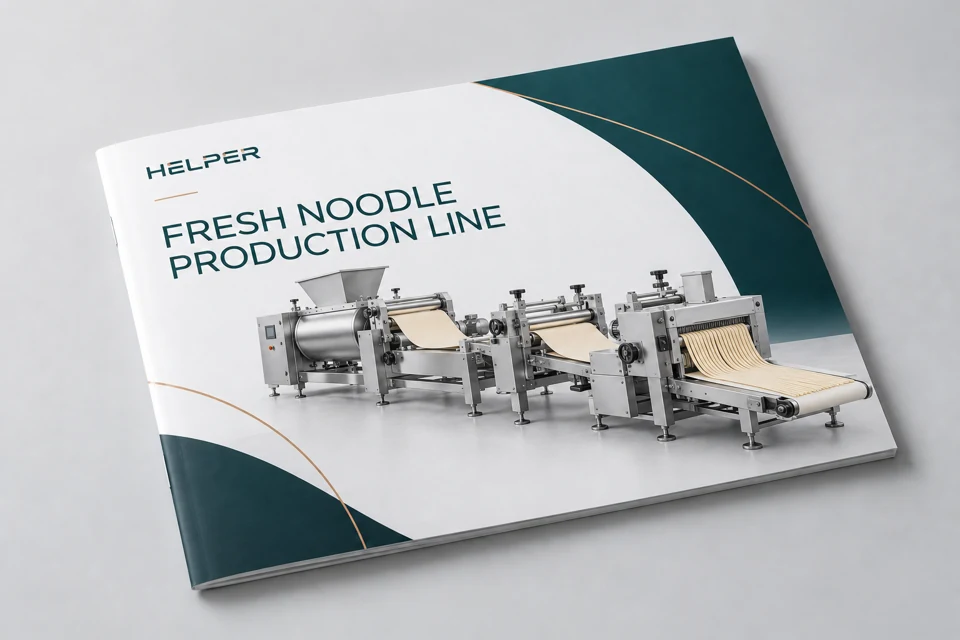
PRODUCT LITERATURE
Fresh Noodle Production-Line Brochure
Explore connected dough preparation, noodle forming and production-line equipment.
View brochure ↗Download PDF ↓Prepare the right project conversation.
The dedicated Contact page is the correct place to submit your product, target output, factory location, utilities and downstream format. Those details help HELPER identify the right machine family and the questions that still need engineering validation.
1. Finished productPhotos, dimensions, recipe or sample description
2. Production targetRequired output, operating hours and final pack format
3. Factory conditionsCountry, voltage, utilities, space and planned layout
4. Project boundarySingle machine, process section or complete production
line
DELIVERY & SUPPORT
Define the support scope before the machine ships.
A clear handover starts with the equipment, documents and responsibilities agreed for the order. Confirm the support arrangement before shipment.
PLAN THE HANDOVER
Prepare the site as well as the machine.
Review access, positioning, utilities, cleaning space and the connection schedule before equipment arrives. Keep the installation responsibilities and acceptance plan with the project documents.
Installation planning guide →Packing & documents
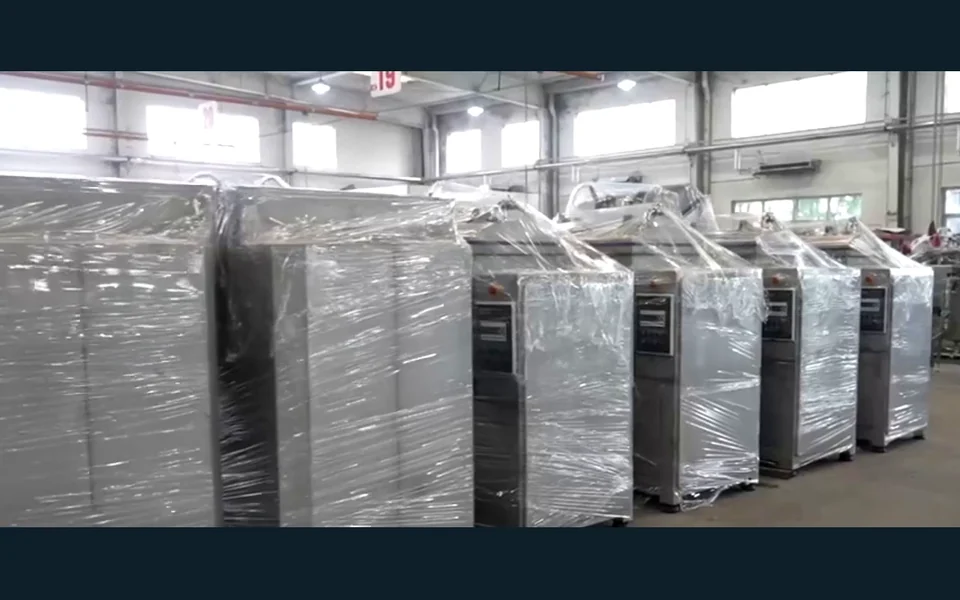
Confirm protective packing, handling points, shipment scope and the agreed document package. Request manuals, drawings and equipment identification relevant to the supplied configuration.
Installation & training
Define the site-readiness checklist, installation responsibilities and training topics. Agree remote or on-site participation, language, scheduling and associated costs in the proposal.
Spares & technical support
Provide the model, serial number, symptoms and useful photos when requesting support. Agree recommended spares, ordering information and the applicable warranty terms for the order.
BUYING QUESTIONS
Questions to resolve before an equipment proposal.
How do we arrange a trial?
Send the food specification, key ingredients, finished-product dimensions or texture, and the output target. Use these to agree the trial material, tooling, operating conditions and assessment points. Sample shipping, timing and attendance arrangements should be confirmed before sending materials.
What site details are needed?
Provide voltage, frequency, phase, available water and compressed air, drainage conditions, and a dimensioned layout. Include doorways, handling access and service clearances. The offered configuration and required connections should be confirmed against these details before manufacture.
What sets timing and acceptance?
Timing depends on the agreed equipment scope, customization, drawing approval and procurement requirements. Define the acceptance criteria and responsibilities in the technical agreement, including the trial product, operating conditions, assessment method and any actions to close before shipment.
How is support defined?
Ask for the installation and training scope, document languages, recommended spare-parts list and support contact route in the proposal. Remote or on-site assistance, travel costs and warranty coverage should be stated for the order rather than assumed from a general website description.