
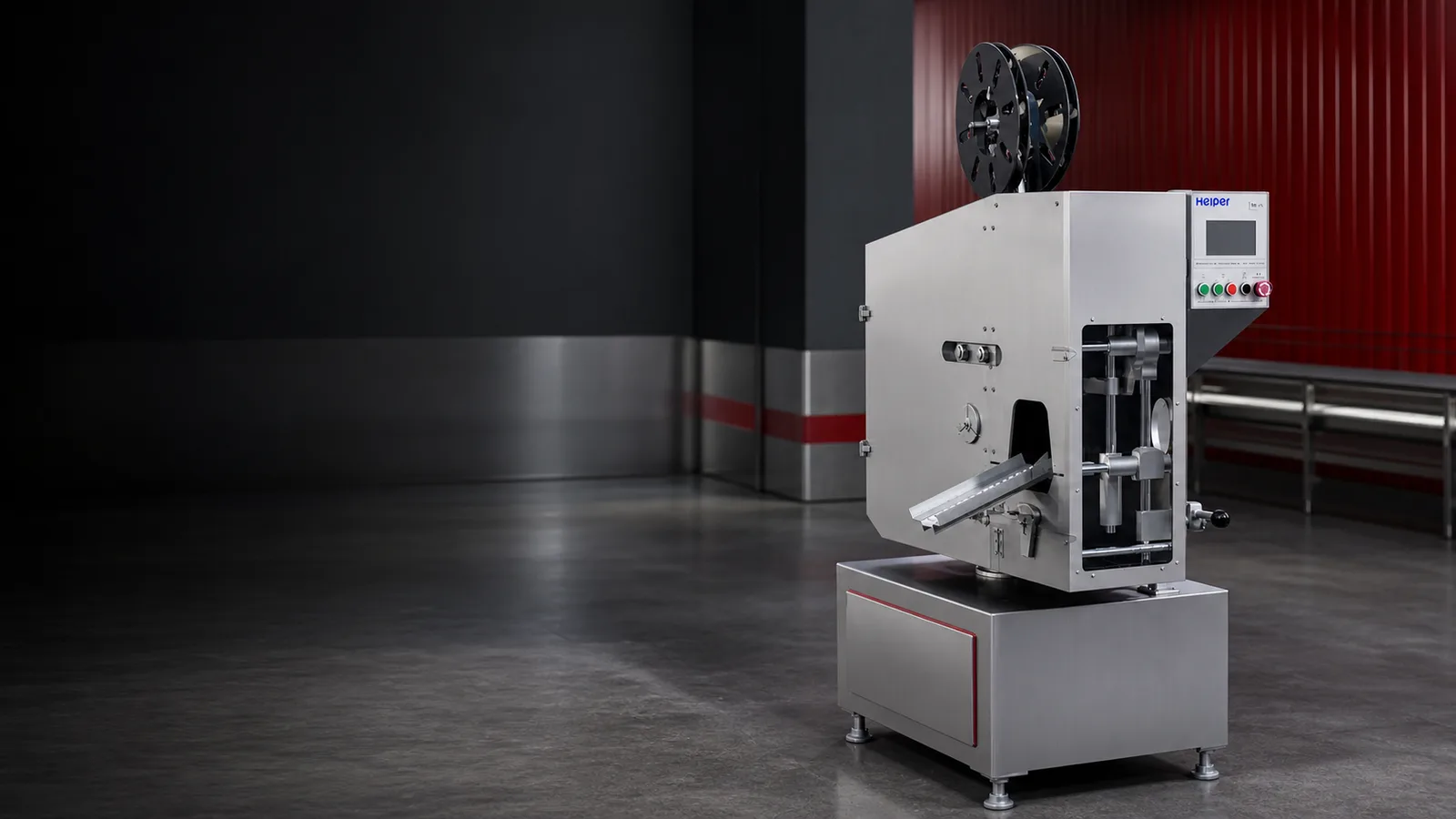
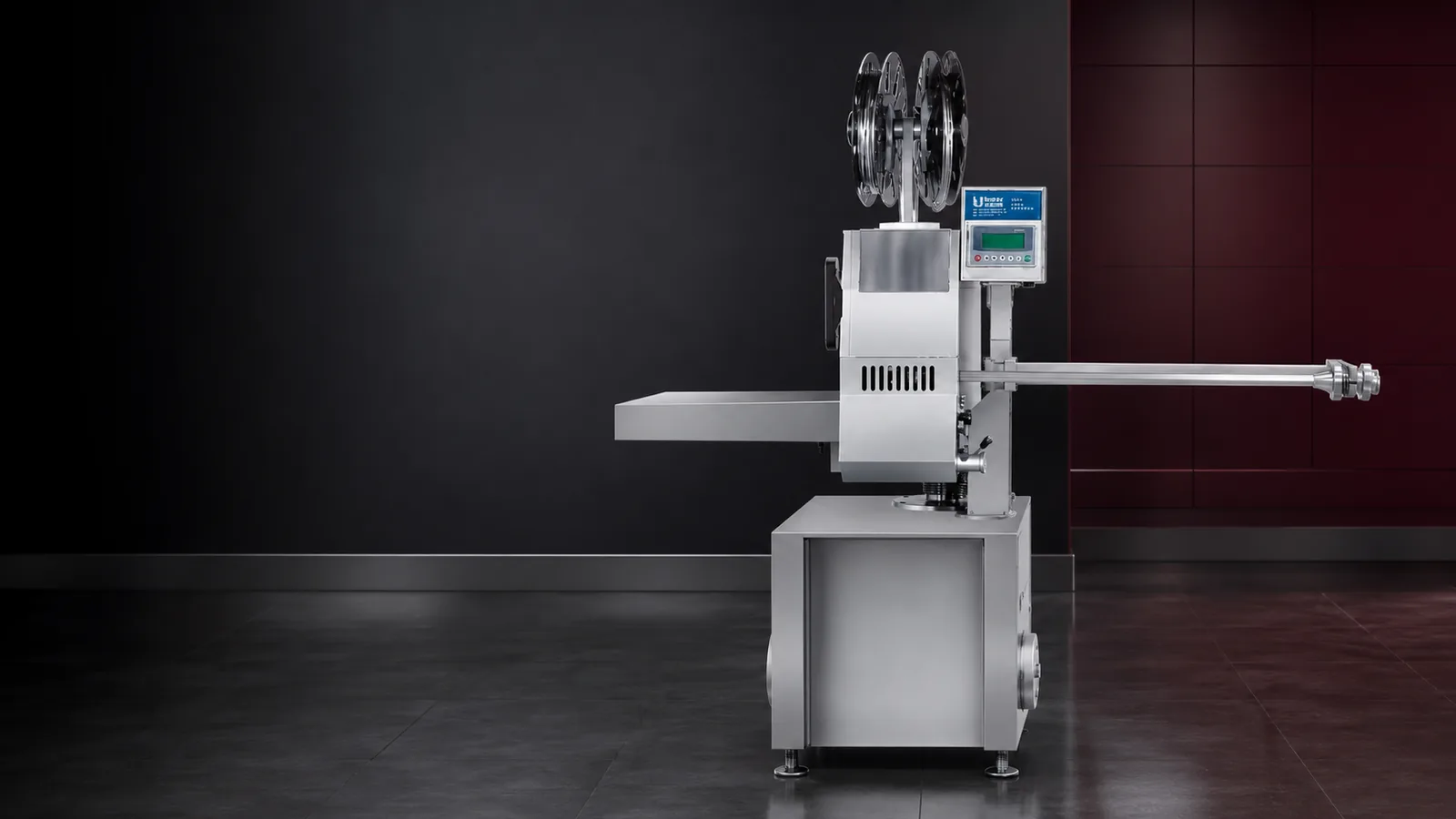
CSK-15II / CSK-18III Automatic Double Clipper
Automatic double clipping for a compatible continuous filling station.
Home / Products / Meat Processing / Industrial Sausage Clippers
Compare automatic double clippers, pneumatic U-shape clippers and aluminum-wire closure equipment for industrial sausage and ham production.
Automatic double clipping for a compatible continuous filling station.

Mechanical double clipping with model-specific loop and integration options.
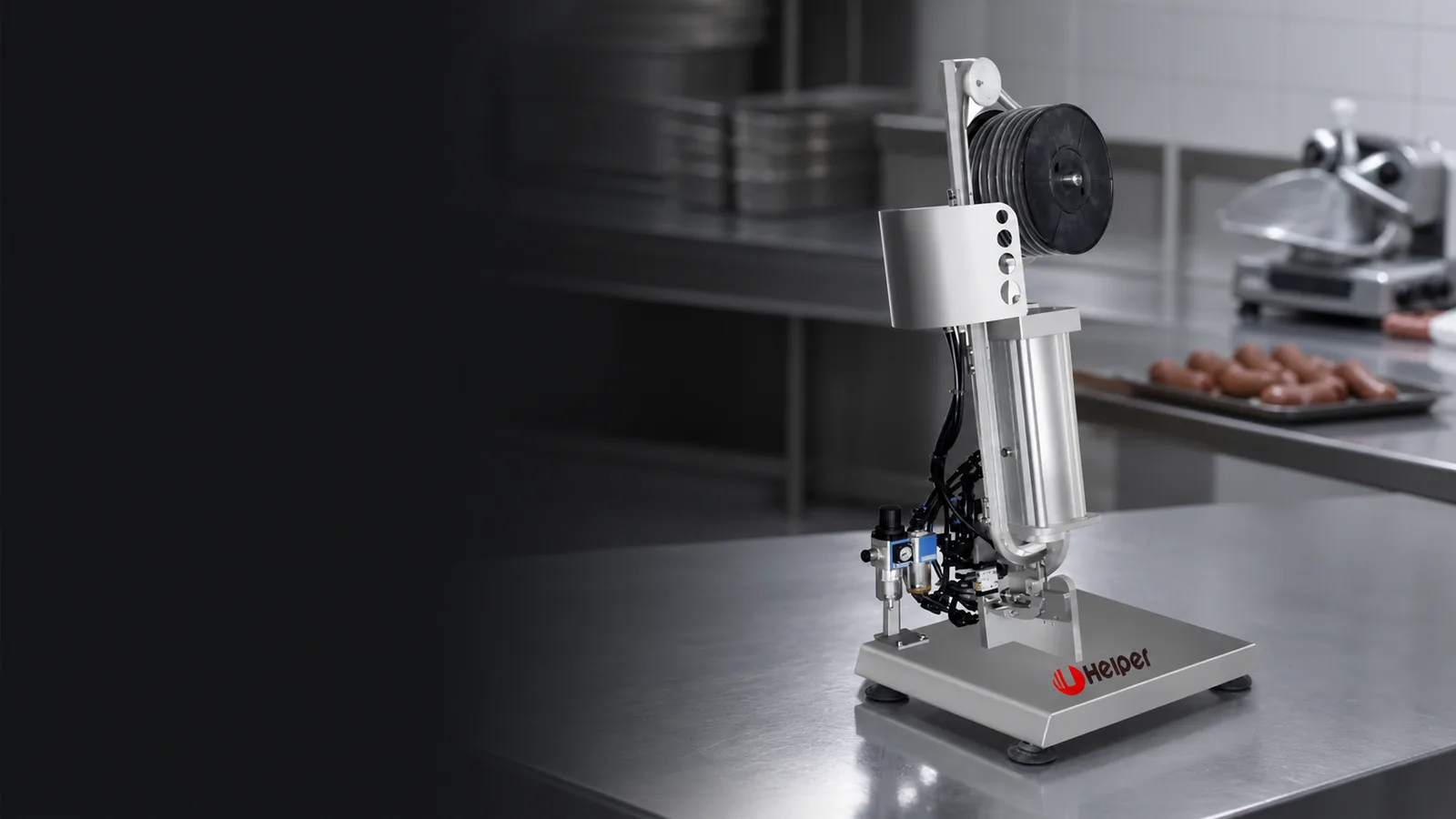
Pneumatic U-clip closure for compatible sausage and ham casings.
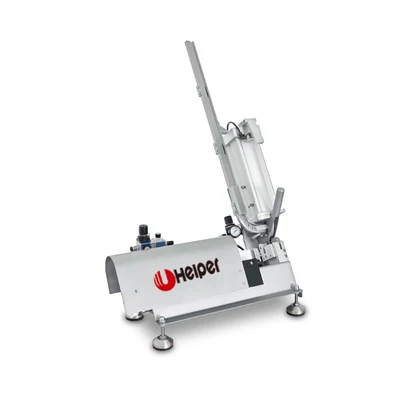
Manually loaded, pneumatically actuated U-clip workstation.
Hand-lever bench clipper. Mechanical closure without compressed-air or electric drive.
Aluminum-wire double clipping with matched wire and forming tooling.
Manually position the casing; compressed air drives the closure. Published air pressure: 0.4–0.6 MPa. Casing range: 70–140 mm filled diameter.
View HP-U810 specifications →Manually position the casing and operate the mechanical lever. No air-powered drive. Casing range: 35–200 mm flat width.
View manual clipper & operation video →These ranges describe different measurements. Share casing material, flat width and filled diameter so the machine and clips can be checked together.
2026 catalog additions
A sausage clipper closes the gathered casing with a clip or formed wire. The range on this page includes connected double clippers, pneumatic workstations, manual machines and closure consumables. Select by casing, closure geometry and loading method. A machine intended for one clip family is not automatically compatible with another family just because both are aluminum.
CSK-15II / CSK-18III and the loop-equipped CSK arrangement are listed for integration with compatible filling equipment. Review the selected configuration for clipping, cutting and any hanging-loop option.
HP-U503 and HP-U810 provide pneumatic U-clip options, while the manual U-shape model supports manually operated closure work. Check how the casing is presented and how each cycle is initiated.
JLSK-2 uses aluminum wire with matched tooling. LQDK provides stretching before single clipping. These duties should be compared against the actual finished product.
Send a casing sample or supplier specification with its material, flat width and intended filled diameter. Flat width and filled diameter are different dimensions, so identify which one a quoted limit describes. Add the clip or wire designation, the required closure appearance and whether a hanging loop or cut between portions is needed. Model-specific uncertainties remain identified on the linked technical pages.
Share the filler model, connection height and discharge arrangement. Confirm the proposed mechanical and control interface before treating two machines as a connected line.
Identify the exact clip family, dimensions, wire diameter where applicable and machine tooling. A similar-looking clip is not sufficient evidence of compatibility.
Review closure consistency, casing damage, tails and handling after the normal downstream process. Ask for the test conditions and consumables used with the demonstration.
The individual product pages contain the published schedules and any fields that need confirmation. Use those pages to compare casing ranges, utilities and dimensions. Request one configuration schedule covering the clipper, tooling, consumables, accessories and filler interface; this avoids comparing a complete connected station with a bare closure machine.
No. Double clipping applies closures, while twisting links depends on a different casing-forming operation. Start with the required closure and product presentation.
No. Casing material, flat width, filling conditions, clip family and loading method also need review. Confirm compatibility using the actual casing and consumable specification.
Send the incoming material, finished product, required output and available factory information. Include the page or model reference so the discussion starts with the right equipment duty.
Send project requirements