
Doner and shawarma preparation
Use the doner line page to discuss incoming cuts, marination, flattening, portions and cone construction. Finished geometry and the intended downstream handling are central to that route.
Project-engineered systems that connect preparation, forming or filling, thermal processing and downstream handling around an accepted meat product.
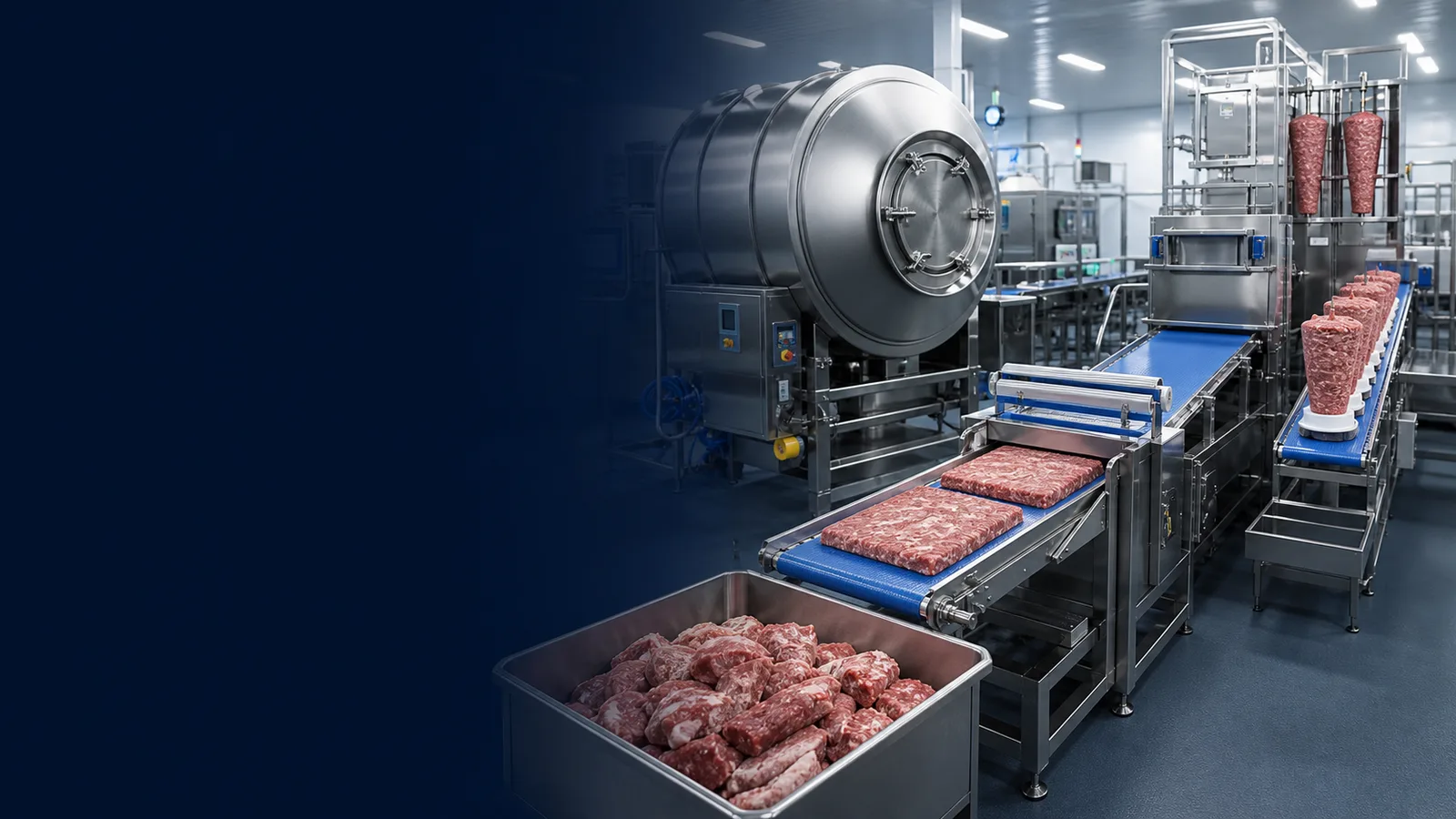 Turnkey Doner Kebab Production Line
A customized meat-preparation system for producing standardized doner and shawarma cones from controlled cuts, marinade and layer geometry.
View product →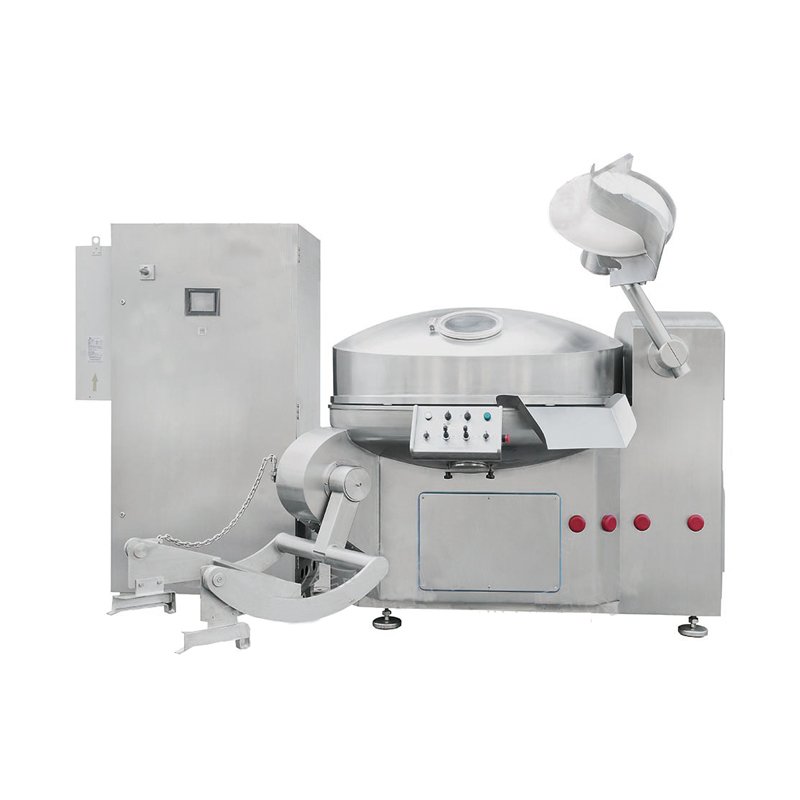 Industrial Canned Luncheon Meat Production Line
A project-engineered line for meat preparation, quantitative can filling, hermetic closing and validated thermal processing for pork, beef and chicken luncheon meat.
View product →A turnkey meat-processing inquiry should identify the product leaving the line and the material entering it. The two detailed routes currently linked here illustrate different projects: doner kebab preparation develops and arranges meat for a cone, while canned luncheon meat connects preparation with filling, closing and a separately validated thermal process. They should not be specified using one generic equipment list.
Use the doner line page to discuss incoming cuts, marination, flattening, portions and cone construction. Finished geometry and the intended downstream handling are central to that route.
Use the canned line page for meat preparation, texture, can filling, closing and thermal-processing interfaces. Container format and the chosen formulation affect the required equipment scope.
For sausage production, begin with the dedicated sausage-line category. This keeps casing, filling, linking and chamber choices within the relevant product route.
A quotation for a preparation section is not equivalent to one covering preparation, handling, packaging and services. Ask for an equipment list and a clear start and finish point. Identify what is supplied by HELPER, what remains with the buyer and which specialist systems are separate. Building work, utilities, processing validation and local approvals should have named responsibilities rather than being inferred from the word turnkey.
Share formulation information, incoming material condition, finished size or pack format and photographs or samples.
Describe accepted output, shift length, product changes and the receiving operation. Include batch stages and any accumulation between machines.
Provide a dimensioned layout, available utilities and loading or handling constraints. Mark existing equipment that must remain in the line.
Start with a clearly defined reference product, then list the variants the line must also handle. Compare the effect of a different size, recipe or package on each stage. This makes the project discussion more useful than selecting a nominal capacity first and discovering incompatible interfaces later. The individual line pages provide the deeper process descriptions.
The supply boundary must be defined in the proposal. Ask for explicit inclusions, exclusions and interfaces instead of assuming a universal package.
Their preparation and finishing routes differ. Some preparation duties may be related, but the complete configuration needs a product-specific review.
Send the incoming material, finished product, required output and available factory information. Include the page or model reference so the discussion starts with the right equipment duty.
Send project requirements