Industrial food processing machinery and complete production linessales@helperfoodmachinery.com
HELPER Food Machinery Contact Us
Home / Products / Meat Processing / Meat Brine Injectors
Industrial injection systems

Meat Brine Injectors

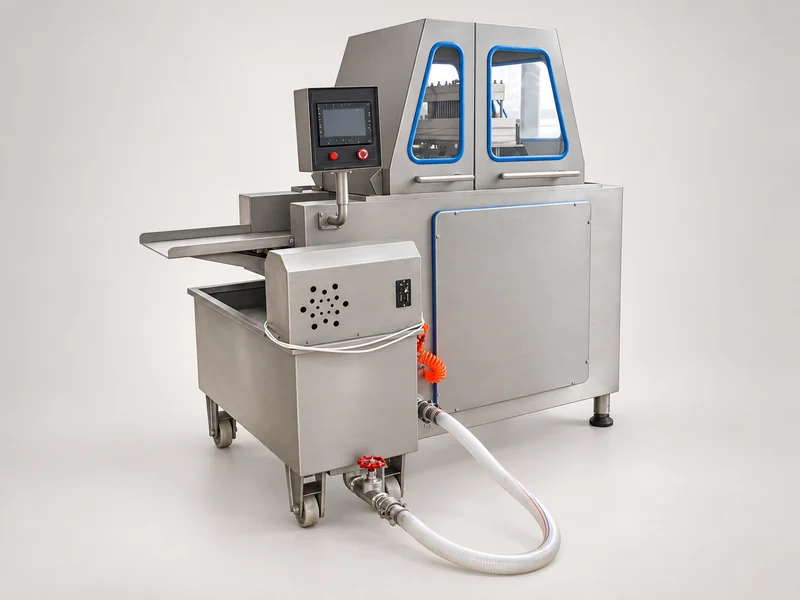
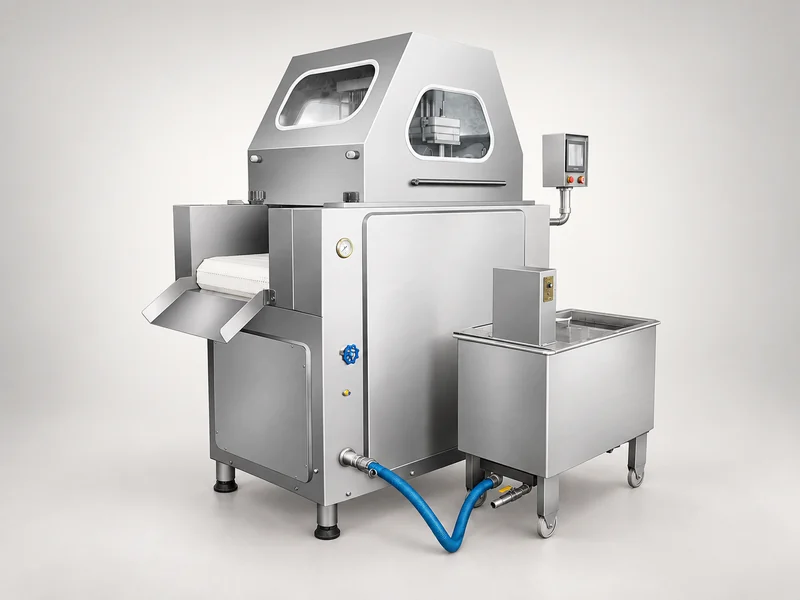
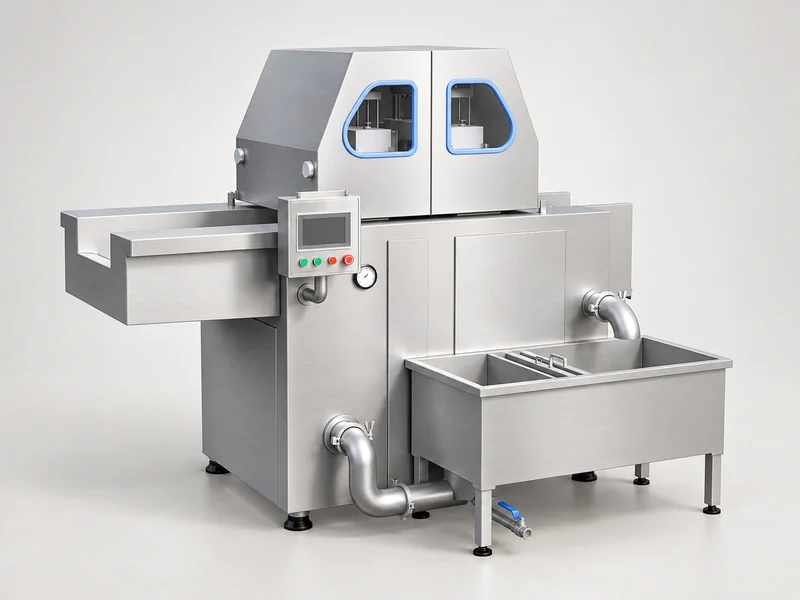
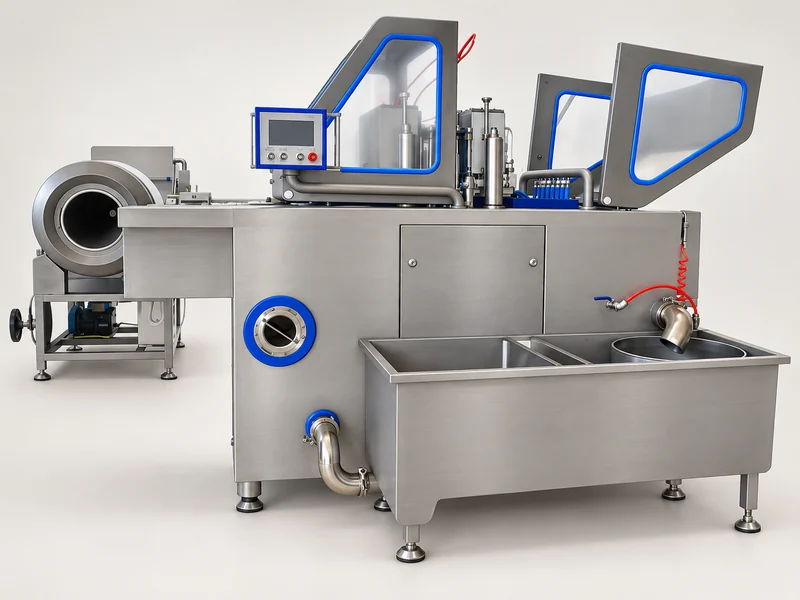
Compare automatic multi-needle and manual brine injectors for meat and poultry processing. Match the needle configuration, product thickness, brine circuit and line requirements to your product before requesting a quotation.

Automatic & manual modelsProduct-specific configurationFactory integration
Find your configuration

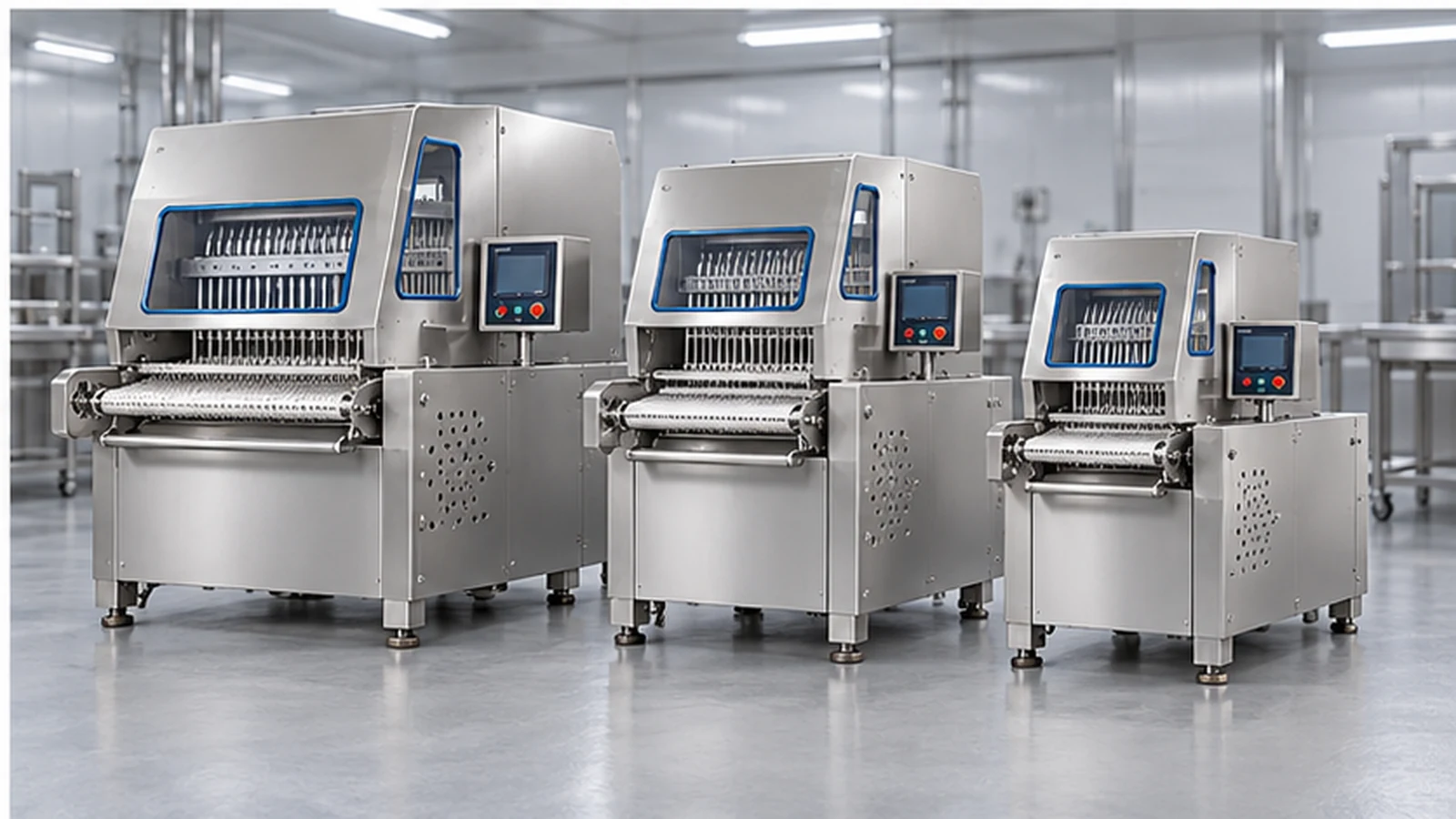
Compare HELPER brine injector models

Start with the product you need to process, then compare the machine configuration. Five ZN automatic models and the SZS-10 manual injector offer different starting points for a technical discussion.

Model overview: catalog needle counts and product-thickness entries
ModelOperationListed needlesListed product thicknessDetails
ZN-50Automatic5030–110 mmView model →
ZN-74Automatic7430–140 mmView model →
ZN-120Automatic120Less than 190 mmView model →
ZN-240Automatic240Less than 190 mmView model →
ZN-450Automatic450200 mm listedView model →
SZS-10Manual10Product-specificView model →

Listed configurations are a starting point for selection, not a guarantee of output or suitability for every cut. Confirm the needle assembly, usable working width, product clearance and current specification in your quotation. Injection percentage is not the same as retained or cooked yield.

For a useful comparison, specify whether hourly output refers to incoming meat or injected product, how pieces are loaded and whether more than one pass is needed. A larger needle count alone does not establish a higher accepted production rate. Full dimensions and utilities are available on the model pages; final settings must suit the supplied machine and your product.

HELPER equipment close-up · English narration and subtitles · 0:46

See the ZN-120 needle head, conveyor and brine tank

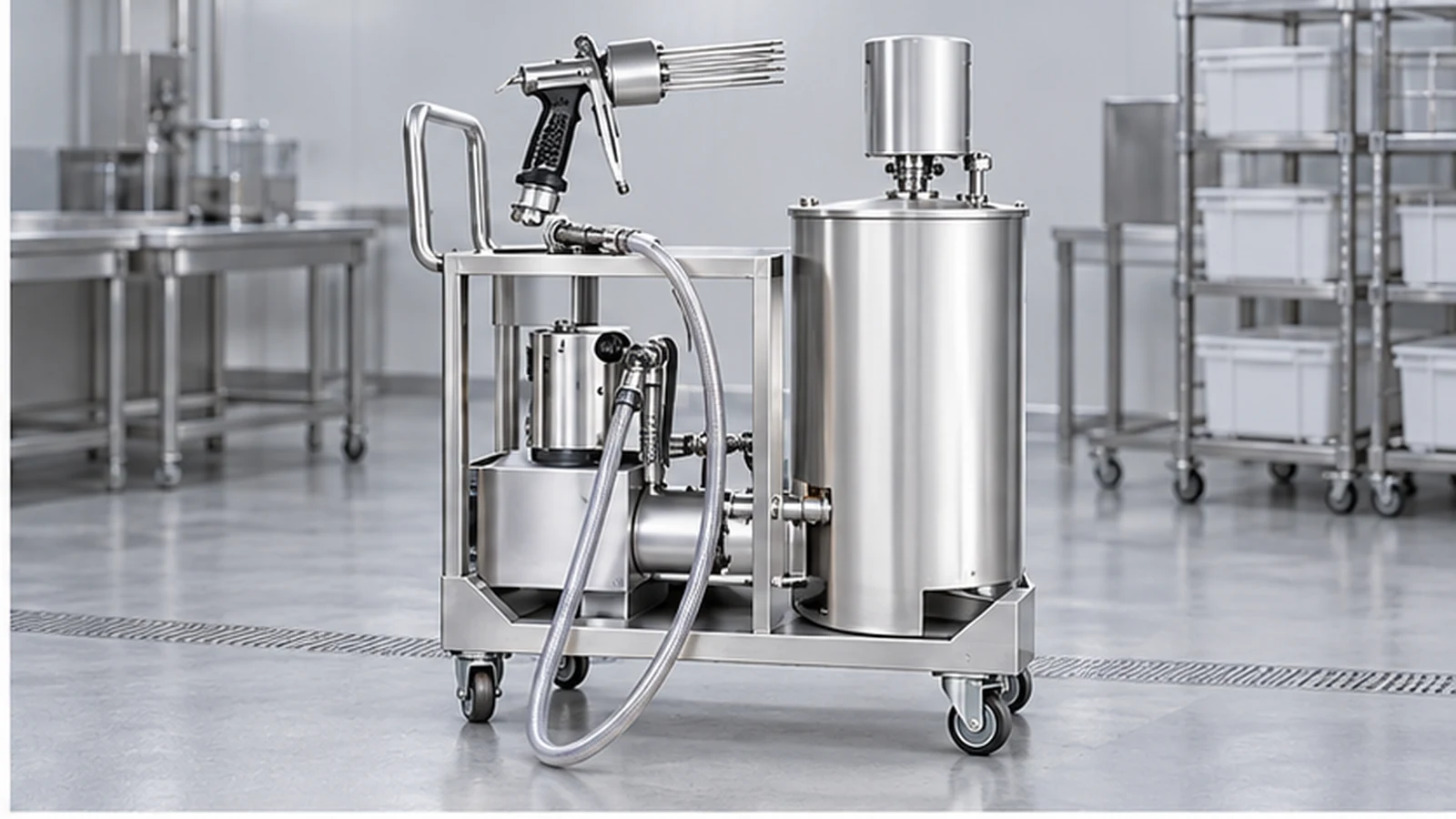
When comparing brine injectors, inspect more than the needle count. This HELPER video shows the physical arrangement of a 120-needle injector, its supply hoses and connections, the product intake area, and the brine mixing tank. It complements the model range above rather than demonstrating every model.

Source: Helper Machinery YouTube channel. Loading the player connects to YouTube and may transmit browser/device data. You can also watch directly on YouTube.

What to watch for

  • The needle head, blue supply hoses and connection points.
  • The conveyor and product intake arrangement.
  • The stainless-steel brine tank and mixing system.

Video summary: The footage labels a 120-needle configuration and 2, 3 and 4 mm needle options. Confirm the exact needle and coupling dimensions, usable intake width, number of heads and electrical supply for your proposed machine.

This is an equipment-detail video, not a whole-chicken production trial. It does not establish throughput, injection pickup or suitability for a particular chicken size or recipe.

Review the ZN-120 product details →

Begin with the finished product

Applications for meat and poultry processing

A brine injector introduces a prepared liquid into whole-muscle products through hollow needles. Suitable equipment and settings depend on the cut, bone condition, recipe and finished-product requirements.

Pork, ham and bacon

Describe the cut, thickness, skin or rind condition and whether the material is bone-in. For cooked ham or bacon projects, review the injection step together with subsequent curing, tumbling and thermal processing. Identify the quality measurements needed at each stage rather than relying on a single weight-gain target.

Poultry portions

Chicken breast, turkey portions and bone-in products require different presentation and needle-coverage checks. Include minimum and maximum piece dimensions, skin condition and orientation on the conveyor. Where bones are present, ask for confirmation of the supplied needle-protection mechanism and a trial on the actual product.

Beef and other whole-muscle cuts

Specify muscle size, preparation and the desired distribution of the brine. Injection and mechanical tenderizing perform different jobs. Ground or emulsified products may instead receive ingredients during mixing or chopping; do not assume an injector is needed simply because the recipe contains water and seasoning.

Do not extend a successful trial on one cut to every meat species or thickness. Product temperature, shape, formulation and subsequent processing are part of the application specification. Share representative samples or product photographs when discussing a new application.

Understand the process

How multi-needle brine injection works

1 · Prepare the brineMix the required ingredients and review the liquid characteristics before selecting the supply system.
2 · Supply and filterA pump and filtration arrangement deliver prepared brine to the injection head.
3 · Inject and conveyThe needle head and product movement establish the injection pattern through the meat.
4 · Check the resultEvaluate product after injection and after the agreed downstream or draining stage.

On an automatic machine, needle movement, liquid supply and conveying must work together. Product height and placement influence coverage; pressure and flow affect delivery. Manual injection places more responsibility on the operator for position and handling. Neither approach should be selected from the recipe name alone.

Return-brine handling, filtration and temperature-control options should be defined in the project specification. Their configuration is not identical across machines. For a broader explanation of the processing routes, read our guide to brining, injection and vacuum tumbling.

Selection checklist

Choose the configuration around your product

Prepare these details before choosing a model. They help distinguish a machine that fits the product from one that only appears suitable in a specification table.

Product geometry and needle coverage

Give the smallest and largest piece dimensions, thickness range, bone condition and loading orientation. Confirm usable working width and product clearance. Discuss needle diameter, spacing, hole arrangement and replacement access for the proposed assembly. A needle arrangement that suits one product may not suit another.

Throughput and conveying

State accepted kilograms per hour, shifts, batch sizes and expected product changes. Specify the weighing basis and whether the target includes loading, repeat passes, draining or stoppages. Review conveyor step, head movement and feed continuity together. Compare the tested output with the capacity of the next process.

Brine characteristics and filtration

Describe dissolved ingredients, suspended material, viscosity, supply temperature and recipe changes. Ask which filtration components are included and how they are inspected and cleaned. Do not assume every sauce can pass through every needle. Particle suitability and filter selection require confirmation against the complete brine circuit. Prepare the brine, filtration and needle compatibility brief before reviewing options.

Factory interfaces and options

Provide the available floor space, power supply, air connection where required, drainage and access for service. Identify product-transfer height and existing upstream and downstream equipment. Separate standard equipment from optional mixing, filtration, cooling or control packages, and record the agreed scope before ordering.

Make performance measurable

Validate pickup, distribution and retention

Agree on the trial product and measurement method before interpreting an injection percentage. Use the product-trial planning checklist to prepare the scope and report questions. Immediate weight gain, retained brine after draining and yield after cooking describe different outcomes. For weighing points, formulas and a blank record, read the guide to injection pickup, retention and cooking yield.

Define the trial conditions

Record raw-material identity, piece sizes, bone condition, temperature, brine formulation and machine configuration. Specify the number of pieces or batches and the intended production conditions. Keep these details with the result so that a later comparison uses the same basis.

Use consistent weighing points

Measure incoming product and injected product at agreed times. State whether surface liquid is included and how draining is controlled. If retention or cooking yield matters, measure again after the defined stage. Report the denominator and timing alongside every percentage.

Assess consistency, not only averages

Check piece-to-piece variation and the agreed indicators of distribution. Review visible needle marks, free liquid, product damage and accepted output where relevant. A batch average can conceal uneven results; acceptance limits should reflect the finished product and the customer's quality requirements.

The result should include both measurements and operating conditions. A demonstration of machine movement does not by itself establish injection uniformity or final yield. Ask for a product-specific test discussion and an agreed acceptance plan; avoid treating catalog ranges as a guarantee for an untested recipe.

Plan the daily work

Cleaning, needle care and maintenance

Before purchase, review access to the needle assembly, product conveyor, brine tank, filters, pump and liquid paths. Ask which components can be removed, what tools are needed and how operators inspect reassembled parts. Stainless-steel construction alone does not describe the full cleaning procedure.

Cleaning and product changes

Request the supplied machine's instructions and define responsibilities for the complete brine circuit. Cleaning methods, chemicals, temperatures and verification belong in the plant's validated procedures and the equipment instructions. Include allergen and recipe-change requirements in the project brief, especially when several products share the system.

Inspection and spare parts

Review needle condition, blockage checks, replacement parts, seals and filtration components with the technical team. Confirm the correct part references and the recommended spare-parts package. Arrange safe maintenance and isolation according to the supplied instructions; do not substitute a generic internet schedule for the machine-specific procedure.

Connect the process

Build the injection and marination line

The injector is one process step. Plan its supply and discharge interfaces around the actual product route rather than adding every accessory by default.

Brine preparation and supply →

Review mixing volume, ingredient addition, transfer and filtration with the injector's requirements. Confirm tank and pump scope, cleaning access and any temperature-control provision in the quotation.

HDJ-656 mechanical tenderizing →

This is a separate mechanical-treatment stage. It is not a substitute for a brine injector and should not be compared using injection-pressure or brine-pickup specifications. Its position and purpose depend on the product route.

Vacuum tumbling and marination →

Where required, discuss downstream tumbling, batch transfer and subsequent thermal or packaging stages. Tumbling is not automatically necessary for every injected product; validate the combined route against the finished-product target.

PROCESS KNOWLEDGE

Prepare the evidence behind your injector choice

Use these guides to define the processing route, recipe compatibility and measurement method before discussing equipment.

Prepare a useful discussion

Product information and demonstration requests

Open the linked model pages for product views and specification tables. For a demonstration request, identify the model, representative raw material and the operation you need to examine: loading, injection, brine handling, changeover or cleaning access.

A useful video shows the relevant machine and operation clearly. Performance conclusions also need recorded product conditions and measurements. Send a sample specification or product photographs with your request so that the demonstration can address your application.

Catalog editions and supplied configurations can differ. Use the confirmed technical proposal for current electrical ratings, options and order-specific requirements.

Buyer questions

Before you choose a brine injector

Does a higher needle count always mean higher output?

No. Needle count is only one part of the configuration. Working width, coverage, head movement, conveying, product thickness, loading and repeat passes all affect the process. Compare accepted output under agreed product conditions rather than ranking machines by needle count alone.

Can the same injector process bone-in and boneless meat?

Do not assume universal compatibility. Confirm needle protection, clearance and the assembly supplied for the selected model. Bone location and product presentation must be reviewed using representative material. A trial on boneless pieces does not establish suitability for a bone-in application.

Is injection percentage the same as retained yield?

No. Immediate injection pickup describes weight gain at a defined point after injection. Retention depends on what remains after the agreed draining or processing stage. Cooking yield uses another stage and weighing basis. Compare results only when their timing, denominator and conditions are stated.

Can brine containing spices or particles be injected?

Suitability depends on the liquid, particles, needle openings, pump and filtration arrangement. Provide the formulation characteristics before selecting equipment. Filtering and needle compatibility must be reviewed together; a thicker marinade or suspended ingredient may require a different configuration from a dissolved brine.

Is vacuum tumbling always required after injection?

No single route applies to every product. Some processes combine injection and tumbling, while others use different marination methods. Review the finished-product objective, handling and downstream stages. Our processing guide explains the differences; the selected route still needs product-specific validation.

What determines the machine quotation?

The selected model, needle configuration, supply and filtration equipment, controls, utilities, spare parts and delivery scope affect the proposal. State whether the request covers an injector alone or connected preparation and marination equipment. Ask the quotation to separate included items, options and responsibilities.

What should we send for model selection or a product trial?

Send the raw-material species and cut, photographs, thickness range, bone condition, recipe characteristics, desired output and finished-product target. Add factory location, electrical supply, available space and existing equipment interfaces. State the measurements and acceptance conditions you want to assess.

What service and documentation should be agreed before ordering?

Confirm operating and cleaning instructions, parts references, commissioning scope, training arrangements and the applicable warranty terms in the proposal. Identify who provides site utilities and installation work. Order-specific service arrangements should be written clearly rather than assumed from a general equipment description.

Your next step

Send a product-based inquiry

Include your cut and size range, bone condition, target hourly output, brine characteristics and factory utilities. Tell us whether you are comparing a new machine, adding injection to an existing line or developing a new product.

For a trial, add the required weighing points and quality checks. For a quotation, identify the supply, filtration, downstream handling, spare-parts and commissioning scope you need. This gives the technical team a practical basis for proposing a model and discussing the remaining application checks.

Send injection requirements Prepare a project brief →
Export information

Brine injector HS code

HS Code for HELPER brine injectors: 8438500000.

Match the machine to your meat process

Send raw-material condition, product dimensions, required output and factory utilities.

Send Requirements
Chat on WhatsApp