
Start with one lot ID, a defined preparation stage and agreed requirements. Record each belly separately, using consistent dimensions, skin/trim descriptions and photo references. Keep the raw-material observations with the trial results so a good demonstration sample is not mistaken for routine supply.
Start your record
Save one workbook per lot. Complete Lot brief, add one row per belly in Piece log, then one row per machine run in Trial log. Yellow cells are editable; requirements and observations start blank.
Purchasing and trial preparation for pork-belly bacon. This working checklist does not release food, certify a supplier or approve equipment. Receiving safety checks and disposition remain under the plant’s approved procedures.
1. Match the delivery to a defined raw cut
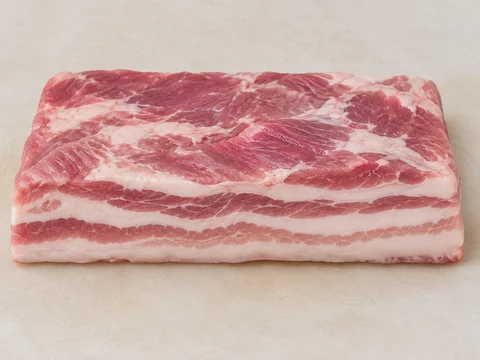
Record supplier, lot, delivery date, cut description, chilled/frozen state and storage/thawing record. Keep identifiers on photographs and trial results. Canada Pork lists skin, firmness, drip, texture, trim, packaging and weight among purchase-specification fields. [1]
State the buying system and edition alongside a plain description. USDA’s voluntary Fresh Pork reference distinguishes belly, bone-in belly and skinless belly. [2]
Comparing ingredient forms? Distinguish bacon ends and pieces, diced products and real or imitation bits →
2. Measure shape and thickness, not weight alone
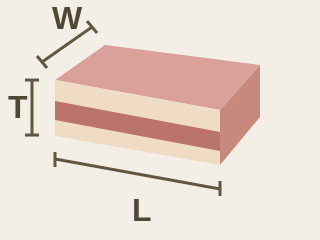
Agree length/width orientation and record weight in kg, dimensions in mm. Define thickness locations P1/P2/P3 on a sketch. These are your recorded positions, not universal anatomical sampling points; use the same positions in each comparison.
Keep individual readings and observed range, noting taper and uneven edges. Ask the supplier to review the actual measured material envelope; weight or nominal capacity alone does not confirm fit.
See a fictional recording example
Illustrative entries only—not supplier data or acceptance limits.
- Lot / piece
- DEMO-LOT / DEMO-01
- Length
- 500 mm, at the agreed preparation stage
- Thickness positions
- P1/P2/P3 defined on sketch SKETCH-01
- Photo reference
- DEMO-01-face.jpg; same ID in the Piece log
3. Separate skin condition from fat trimming
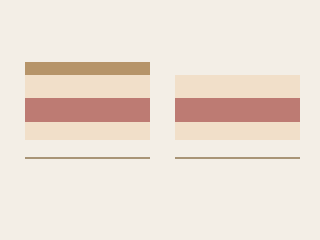
Rind means skin; rindless does not mean fat-free. Record skin on/off, bones/cartilage and agreed edge, surface-fat and loose-tissue trim. Photograph both faces and edges, and flag differences for review.
The 2014 USDA skinless-belly description refers to a smooth skinned surface, practically free of hair roots and scores. Agree where skinning/trimming occurs and compare weights at that same stage. [2]
4. Describe fat–lean distribution with a method
Describe visible layers at labelled positions and retain comparable photographs. A 2024 Korean study found variation across belly portions and grades; it does not establish a universal ideal fat percentage. [3]
Visual observations differ from laboratory composition results. Agree a sampling/analysis method for a fat-content target. For firmness, record method, product temperature and preparation; research emphasises standardisation. Hand-feel comments cannot replace a validated measurement. [4]
5. Keep batch differences visible
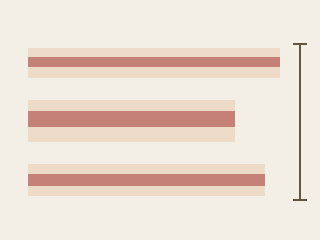
Agree the sampling plan and record examined pieces, containers and delivery positions. Include routine material and identified variation; hand-picked showcase samples cannot represent the whole supply.
Keep each lot identifiable before comparing output. Flag differences from the brief and record the review owner and next action. The plant’s approved procedures govern segregation or disposition; this page sets no sample count or pass tolerance.
6. Turn the raw-material record into a fair trial
- Define the question. Which input difference or product requirement is being evaluated?
- Label the material. Keep the lot, sample IDs, preparation state and photographs with the trial record.
- Control comparisons. To compare raw lots, hold the recorded process/configuration constant. To compare settings, use matched material and change one factor.
- Agree the output check. Record loading, handling, finished dimensions and usable output under stated conditions. Report variation and rejected material separately.
Use the injector trial-planning guide for demonstration scope and the pickup and yield guide for weighing boundaries. If slices fail, follow the slice-defect guide.
Choose the Excel workbook or simple CSV above. Excel keeps requirements, individual measurements and run observations separate. Add rows as needed; blank entries mean not recorded, not zero or passed.
Connect the material brief to equipment scope
The Bacon production topic explains the route. Discuss these upstream stages using the same material profile; the links do not promise compatibility or improved yield for an untested belly.
 ZN-120 injectorInput dimensions and loading.
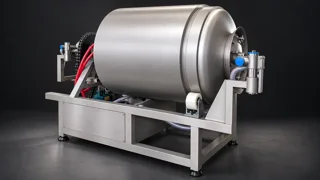 GR-1000 tumblerPrepared cut and batch profile.
 QZX smokehousesRaw-piece and rack-loading brief.
AI-assisted equipment reference visualizations. Confirm the supplied configuration.
Send HELPER the material profile and trial question for a scoped discussion.
Buyer questions
What is the best belly size for bacon?
There is no single size for every format and machine. Specify measured geometry, variation and required output; confirm suitability through an agreed trial.
Must pork belly arrive skinless?
Use the ordered condition and planned route. Record skinning responsibility and stage; do not compare skin-on and skinless weights as if preparation were identical.
Can one photograph establish the fat percentage?
No. A selected face describes that location. Agree representative sampling and the measurement method for any composition requirement.
How many samples should we inspect?
Use the plant’s agreed sampling plan for its purpose and lot variability. A small demonstration sample does not establish the quality of an entire delivery.
What should we record when a value is missing?
Leave an unmeasured value blank and note the missing item and follow-up owner. Use “not applicable” only when agreed for that field; never enter zero to stand for unknown.
Once the material is defined, compare the finished pack and distribution route. Use the bacon packaging comparison and trial checklist →
Sources and scope
Reviewed 4 November 2026. Checklist recording suggestions are a proposed buyer workflow, not a certified inspection or food-release method. Source-specific grades and numeric limits have not been converted into universal requirements.
- [1] Canada Pork: Belly, Skinless; purchase-specification fields (undated).
- [2] USDA AMS: IMPS Fresh Pork, Series 400, effective November 2014; ordering checklist and belly descriptions. Voluntary procurement reference.
- [3] Seong et al., Foods (30 September 2024): Quality Variation of Pork Bellies by Cutting Manner and Quality Grade; Korean retail-cut study.
- [4] Uttaro et al., MethodsX (22 January 2024): A new manual method for pork belly firmness measurement; research-method scope.