
Automatic Noodle & Dough Sheet Machine
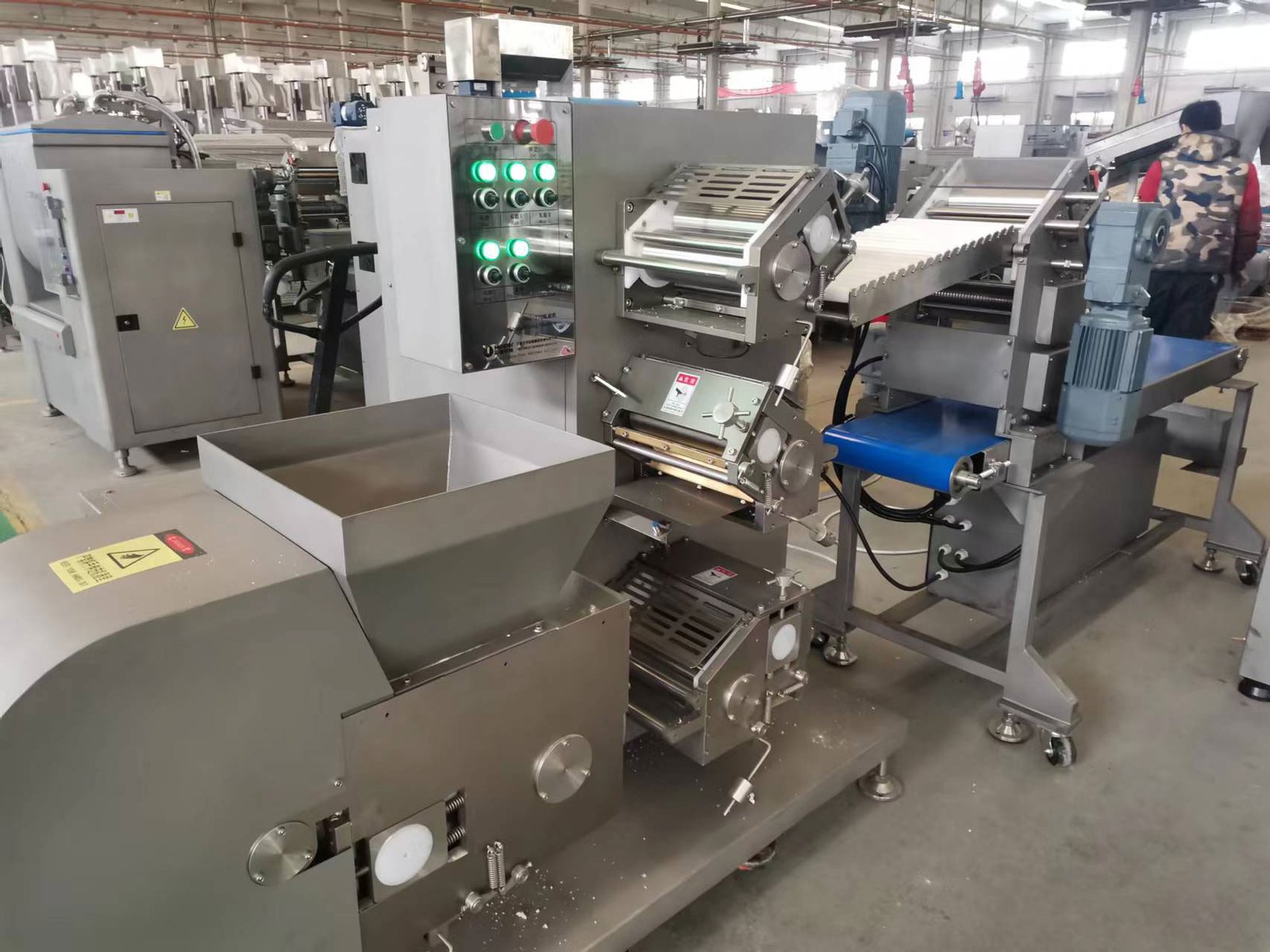
A compact integrated platform for standardized noodle production, with configurable cutting or wrapper-sheet finishing for factories that need flexible products at moderate output.
Build a stable sheet, then choose the finish
The M-270 combines mixing, sheet compounding and progressive rolling with a changeable finishing section. A noodle cutter produces strands; project-specific tooling can instead prepare dough sheets or wrapper formats.
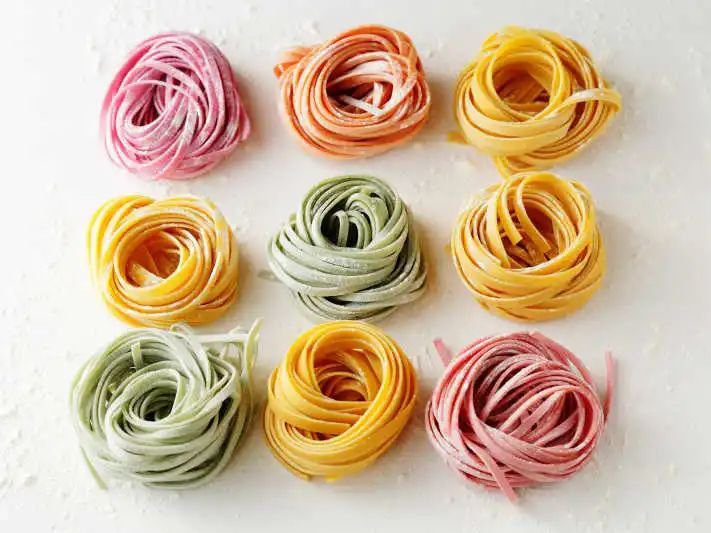
One rolling core, multiple product routes
Central operation coordinates compact line modules and reduces manual transfers.
Published configurations use variable-frequency regulation for process matching.
Multiple stages improve sheet uniformity compared with a single heavy pass.
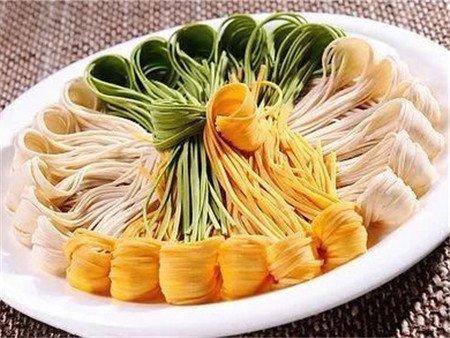
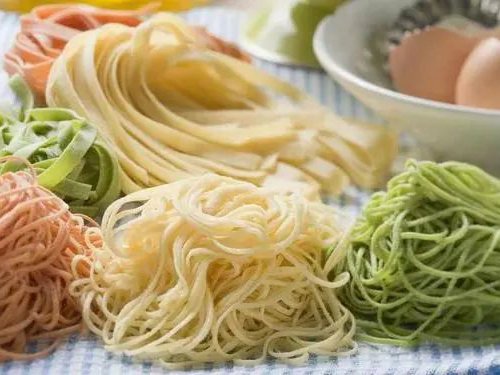
Noodle width and product format depend on the installed final tool.
The published standard machine occupies approximately 3.9 × 1.1 m.
Cooking, steaming, pickling, cooling or freezing are separate downstream modules.
M-270 technical specification
| Model | Capacity | Roller width | Power | Weight | Dimensions | Speed control |
|---|---|---|---|---|---|---|
| M-270 | 200 kg/h standard; 200–400 kg/h project range | 270 mm | 6 kW | 650 kg | 3900 × 1100 × 1500 mm | Frequency control |
One older English page lists a 225 mm rolling width, while the M-270 model designation, current HELPER dough-processing site, Chinese official data and Made-in-China listing consistently publish 270 mm. This page uses 270 mm; the final approved drawing remains controlling.
See the compact production platform
Choose the final product before adding modules
M-270 sheeting and noodle-format selection
M-270 develops a continuous sheet for noodles and other flour-food applications. The useful output is governed by sheet width, thickness and line speed together—not by speed alone. Dough that has not rested sufficiently may spring back after the final roller; dough that is too warm or wet may adhere and lose edge definition. A production trial should record the dough temperature, resting time, reduction ratio and final strand or wrapper result.
For noodle use, the slitter and downstream conveyor must match strand width, flouring, portion length and packing method. For sheet supply, the receiving former controls tension and acceptable thickness variation. Buyers should identify whether the machine receives loose dough, folded slabs or a pre-sheet and whether continuous upstream mixing is part of the project.
Define formula, dimensions, moisture, appearance and the test used to accept finished output.
Match batch or sheet output to upstream supply and the downstream machine’s real demand.
Confirm voltage, air, cooling, drainage, access and service clearances before approval.
Test the actual material for an agreed duration and record output, temperature and quality variation.
M-270 dough sheeter FAQ
How should the model be selected?
Use the real recipe, product dimensions, accepted output and downstream process. Nominal chamber volume or working width alone is insufficient.
Can published capacity change with the product?
Yes. Moisture, thickness, product size, trim, batch cycle and quality tolerances all affect sustainable accepted output.
What should be tested before delivery?
Agree representative materials, run duration, quality measurements, sanitation checks, changeover scope and utility conditions in the factory-acceptance plan.
What information is needed for a proposal?
Provide formula, photos or samples, batch or hourly target, voltage, utilities, floor plan and upstream/downstream equipment.
Specify Automatic Noodle & Dough Sheet Machine from the finished product backwards
A reliable quotation starts with the product and process target rather than a catalogue capacity alone. Provide sheet thickness, dough temperature, hydration, rest time, cutting format and downstream transfer. Samples, drawings and representative raw materials allow the supplier to identify the working configuration and any limits that should appear in the signed specification.
Published capacity is a reference condition, not an unconditional guarantee for every recipe. Sustainable performance must be measured as accepted product after normal rejects and interruptions. The acceptance plan should record sheet uniformity, product dimensions, moisture, texture, trim rate and accepted kilograms per hour. Agree the run duration, staffing, utility conditions and sampling frequency before the factory acceptance test so both parties evaluate the same result.
Confirm voltage and frequency, connected load, compressed air, water, drainage, exhaust or refrigeration where applicable. Check loading height, discharge direction, service clearance, floor loading and the real interface with upstream and downstream equipment.
Review flour dust, dough residue, roller access, belt release and recipe changeover. The sanitation method must suit the machine’s electrical protection and the factory’s documented food-safety program.
Use the intended material and product format. Record start-up loss, stable output, quality variation, alarms, downtime, cleaning time and changeover time. Repeat critical checks after installation with actual site utilities and trained operators.
Send product photos or samples, formula where relevant, target hourly output, shift pattern, pack or downstream format, factory layout and utility schedule. Mark mandatory requirements separately from optional future expansion.
Related decision path
Continue from this page
Configure M-270 around your product mix
Send noodle or wrapper specifications, formula, target capacity and required downstream process. HELPER can define the cutter, rolling route and expansion modules.
Ready to discuss your project?
Use our single online inquiry form to send your product, capacity, utility and layout requirements.
Go to contact form