
Match the receiving line
Record how quickly the sheeter or former consumes dough, how batches are buffered, and whether the next batch is ready when required.
A large-batch horizontal mixer for noodle, dumpling, bun and wrapper factories—combining a 200 kg dry-flour batch, dual-speed paddle action and programmable vacuum kneading.
Negative-pressure mixing can support more uniform water distribution with less entrained air. The 600 L chamber is sized for plants that need 200 kg dry-flour batches feeding continuous downstream processes.
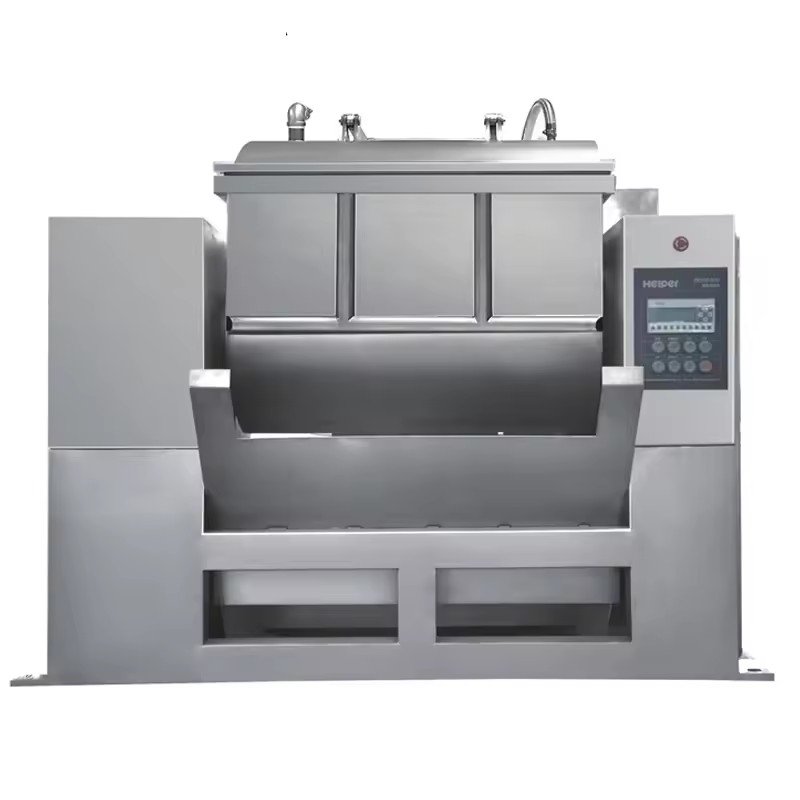
Set vacuum degree and mixing time for each dough process.
Published 44 and 88 rpm operating speeds support staged dough development.
Food-production construction supports corrosion resistance and cleaning.
The sealing structure is designed for easier seal and bearing replacement.
Powered opening supports safer, more efficient large-batch handling.
Project options include 90°, 120° or 180° tipping orientation.
The demonstration shows chamber loading, paddle action and automated batch handling on the same standard ZKHM platform.
The published 200 kg figure is dry flour per batch. The eight-minute mixing figure does not include a confirmed allowance for every loading, dosing, discharge, waiting or cleaning step.
Planning flour throughput = agreed flour load per batch × completed batches per operating hour. Use a measured full-cycle schedule, including non-overlapping handling time and actual interruptions. Calculate total dough mass separately from the formula.
Record how quickly the sheeter or former consumes dough, how batches are buffered, and whether the next batch is ready when required.
Confirm the shaft arrangement, recipe load and temperature target. The bowl-cooled HM-600HP uses a different mixed-dough capacity definition.
Prepare the batch and line-demand brief or open the capacity planner.
The batch capacity refers to dry flour input, not final dough weight.
| Model | Voltage | Vacuum | Power | Mixing time | Dry flour / batch | Shaft speed | Weight | Dimensions |
|---|---|---|---|---|---|---|---|---|
| ZKHM-600 | 380 V | -0.08 MPa | 34.8 kW | 8 min | 200 kg | Paddle 48; bar 88 / 44 rpm | 2,500 kg | 2200 × 1240 × 1850 mm |
Published in the January 2026 HELPER catalogue. Confirm voltage, frequency, discharge orientation, recipe and the final signed specification for each project.
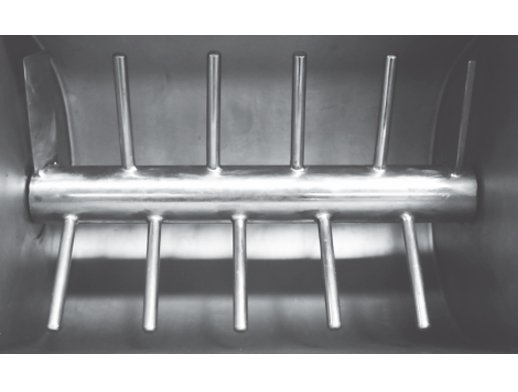
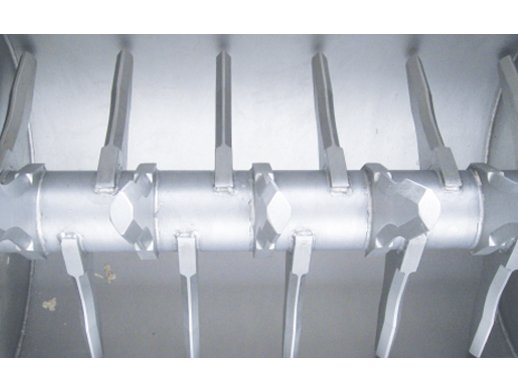
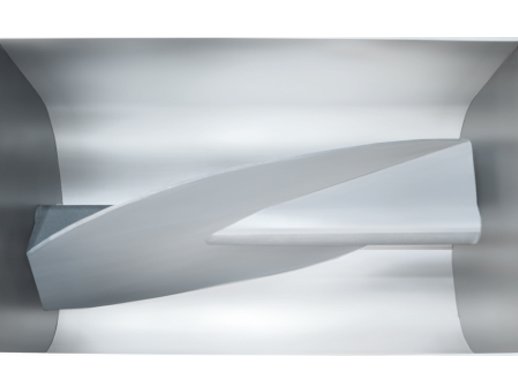
The standard ZKHM-600 is designed for high-volume vacuum dough development before resting, sheeting, wrapper rolling or dividing.
Final shaft, loading and discharge configuration should be confirmed through recipe trials and a line-layout review.
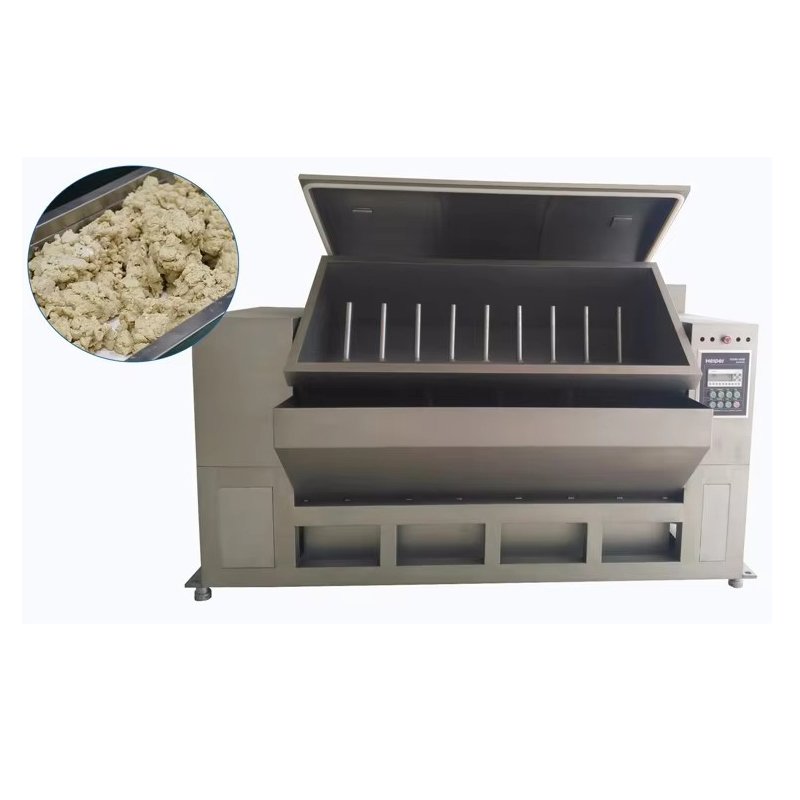
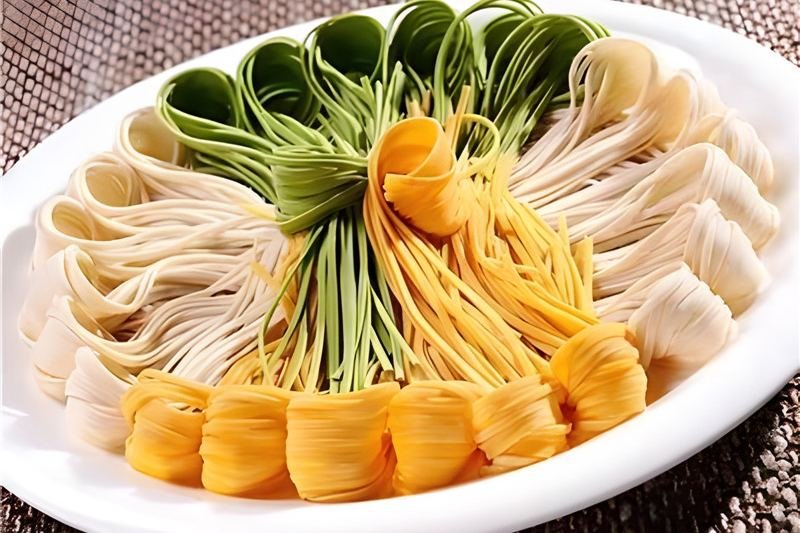
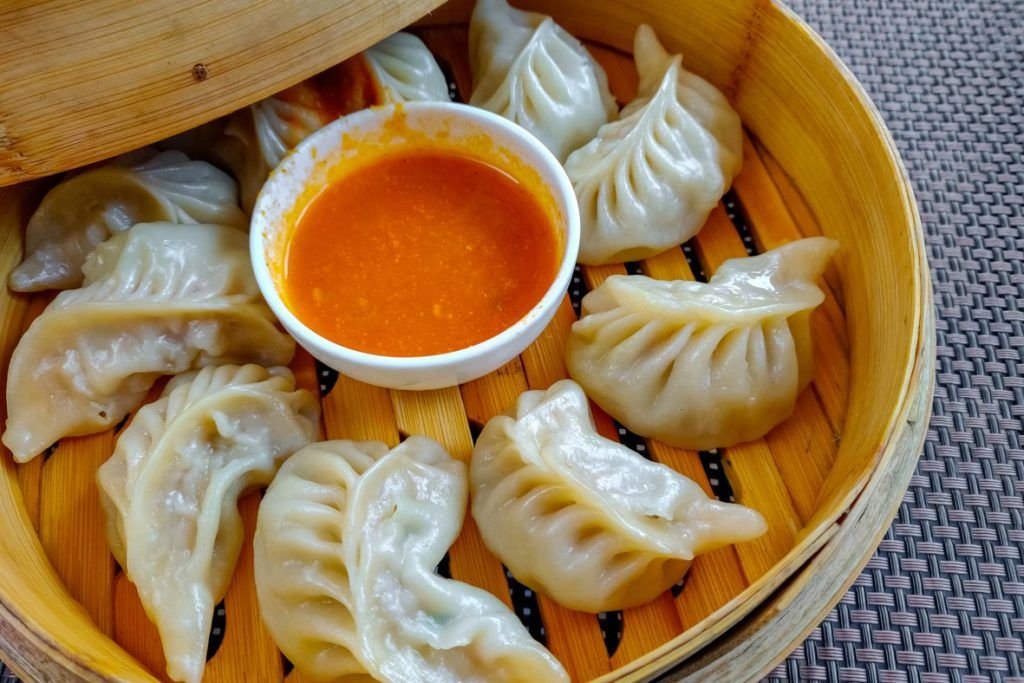
The January 2026 HELPER catalogue identifies ZKHM-600 as the largest standard-series model and publishes 200 kg dry flour per batch. Final dough mass changes with hydration and recipe additions, so it should be calculated from the approved formula rather than inferred from the model number.
A 600 L high-speed vacuum mixer is designed for industrial throughput where mixing time, dough development and batch discharge must remain repeatable. High speed can shorten development but also increases frictional heat. The process specification should therefore include final dough temperature, allowable temperature rise, vacuum timing, minimum and maximum recipe load and the required discharge interval to the next machine.
Upstream flour and liquid dosing must replenish the mixer within the production takt, while downstream resting or sheeting must receive each batch without excessive waiting. Maintenance access, lifting routes for heavy components, foundation loading and washdown boundaries should be included in the layout—not added after installation.
Define formula, dimensions, moisture, appearance and the test used to accept finished output.
Match batch or sheet output to upstream supply and the downstream machine's real demand.
Confirm voltage, air, cooling, drainage, access and service clearances before approval.
Test the actual material for an agreed duration and record output, temperature and quality variation.
Use the real recipe, product dimensions, accepted output and downstream process. Nominal chamber volume or working width alone is insufficient.
Yes. Moisture, thickness, product size, trim, batch cycle and quality tolerances all affect sustainable accepted output.
Agree representative materials, run duration, quality measurements, sanitation checks, changeover scope and utility conditions in the factory-acceptance plan.
Provide formula, photos or samples, batch or hourly target, voltage, utilities, floor plan and upstream/downstream equipment.
Related decision path
The specification table is the current published web reference. A revision-controlled approved ZKHM-600 datasheet was not found in the public local repository during the 2026-09-01 review; confirm every ordered value in the signed proposal and datasheet.
Review the local ZKHM-600 demonstration and open-machine image. They show visible configuration and operation only.
Approved datasheet, GA drawing, utility/electrical schedule, manual revision and loading/discharge interface remain open evidence requests.
Prove loading, pump-down, mixing, venting, discharge, inspection and cleaning time against downstream demand. The published mixing time alone is not guaranteed kg/h.
Send the dough recipe, target batches per hour, loading method and downstream machine. We will confirm shaft, discharge angle, utilities and whether the standard 600 or temperature-controlled 600HP fits the process.
Ready to discuss your project?
Complete the vacuum mixer worksheet and send the generated brief with the batch schedule, feeding method, downstream demand and factory layout.
Prepare trial brief