
White blush is a pale, dry-looking surface change that can develop on cut or abrasion-peeled carrots. Surface dehydration is an important cause. Investigate peeling, cutting, drying and time before packing together; a longer drying cycle can make appearance worse.
This guide is for fresh-cut carrot processors comparing baby-cut carrots, sticks or slices. It complements the broader vegetable washing, cutting and dewatering guide. The checks below are an investigation method, not a validated recipe or shelf-life promise.
Identify where the white appearance begins

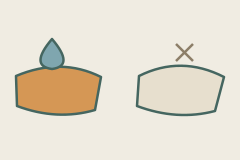
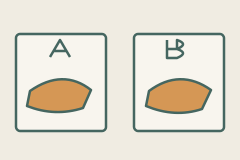
Original explanatory illustrations, not photographs of actual defects.
UC Davis associates white blush with dehydration of newly exposed carrot surfaces. Its commodity guidance also describes a separate white-root disorder involving pale patches or streaks. Record whether discoloration was already present on incoming roots or developed after preparation.
Photograph the whole piece and its surface under consistent lighting. Keep the carrot type and preparation method in the record: an abrasion-peeled baby carrot and a knife-cut slice expose different surfaces. Do not combine their observations into one trial result.
Balance water removal with surface appearance
Removing wash water and dehydrating the carrot tissue are different outcomes. A shiny wet surface, droplets in a pack and a chalky-looking surface should be recorded separately. UC Davis discusses both protection against drying and the decay risk associated with free moisture. Leaving pooled water is therefore not a general solution to whitening.
In a 2007 Brazilian experiment, Moretti and colleagues compared centrifugation treatments on prepared Alvorada baby-carrot sticks. Longer treatments in that setup increased dehydration and whiteness; product temperature also rose. The study supports checking excessive drying, but its machine, loading and immediate measurements do not establish a cycle for a HELPER spinner.
There is no universal time setting to copy from that experiment. Review the complete result: surface finish, remaining water, physical damage and actual product temperature, followed by appearance under matched pack and holding conditions.
Use a simple stage-by-stage record
| Sample point | Record before changing settings |
|---|---|
| Incoming roots | Lot, variety or supplier grade, existing pale areas, firmness and visible damage. |
| After peeling or cutting | Cut form, surface roughness, fresh scratches, broken pieces and appearance. |
| After dewatering | Load, permitted cycle, temperature, surface water, whiteness and new damage. |
| After packing and holding | Package, elapsed time, temperature history, droplets and surface change. |
For example, label matched samples “C1, carrot sticks, dryer exit, treatment A” and “C1, carrot sticks, dryer exit, treatment B.” Record sampling times and inspect both after the same holding interval. This is a hypothetical comparison, not a factory result.
If weighing samples, use the same defined draining procedure and subtract container weight. A mass decrease includes removed surface water and potentially tissue water; the scale alone cannot distinguish them. Pair the weight record with surface observations instead of calling all removed mass useful dewatering.
If whiteness increases mainly after drying, compare permitted drying conditions first. If rough surfaces are visible earlier, investigate peeling or cutting before the dryer. If both treatments worsen similarly during holding, include delays and package conditions in the review.
Retain the actual settings with the sample labels, including load and drying duration. Repeat the comparison on another representative lot before adopting a change. A single attractive sample at discharge can hide a difference that becomes visible only after the agreed holding interval.
Check the equipment without guessing a recipe
At the JX root vegetable brush washer and peeler, distinguish washing from abrasive peeling and compare the resulting finish. At the DGN-01/02 vegetable cutter, inspect cut quality, blade condition and discharge handling using representative carrots.
For the SG-50/70 vegetable salad spinner, confirm that the prepared product and loading suit the intended use. Compare only permitted settings, changing one factor at a time. Isolate the equipment before inspecting internal moving areas.
Keep cut-to-pack time, package and cold-holding conditions consistent during the comparison. Select the arrangement that meets the plant's combined quality and food-safety requirements; the driest-looking sample is not automatically the best finished product.
Questions production teams ask
Is a white carrot surface always mold?
No. White blush describes a particular surface-quality change, but every white mark cannot be diagnosed as blush. Keep suspect product within the plant's quality and food-safety assessment; appearance alone cannot authorize release.
Why does whitening become noticeable after peeling?
Peeling exposes a new surface that can dry. Compare the finish at peeling discharge with later samples, keeping preparation method and observation time consistent.
Will soaking restore the original quality?
Bolthouse Farms' consumer FAQ says rehydration can reduce the white appearance of its baby-cut carrots. That advice does not validate industrial rework, restore storage life or establish safety. Investigate the process before deciding how affected stock is handled.
Should we increase the spinning time?
Not automatically. Excessive centrifugation increased whiteness in the cited experiment. Compare remaining water, damage, temperature and later appearance together before selecting a permitted cycle.
Sources and scope
Checked 10 November 2026. Historical technical evidence and a producer FAQ, combined with an editorial comparison procedure. These are not HELPER test results.
- Suslow, Mitchell and Cantwell, UC Davis: Carrot, June 2002. Commodity guidance on surface dehydration, moisture and distinct disorders. Storage durations are not adopted as a fresh-cut pack guarantee.
- Moretti, Mattos, Machado and Kluge: Physiological and quality attributes associated with different centrifugation times of baby carrots, Horticultura Brasileira 25(4), December 2007. Brazilian Alvorada carrot-stick experiment; full methods and relevant results read. Immediate observations in one setup, not a universal commercial cycle.
- Bolthouse Farms: Carrot FAQs, publication date unspecified. Producer explanation of baby-cut carrot whitening and consumer rehydration advice; not an industrial rework procedure.