
Dough Mixer Elevating Conveyor
Receive mixed dough at a low loading point and convey it to the elevated inlet of the next processing stage. Match the hopper, belt and discharge position to your mixer and production layout.
Plan your dough transfer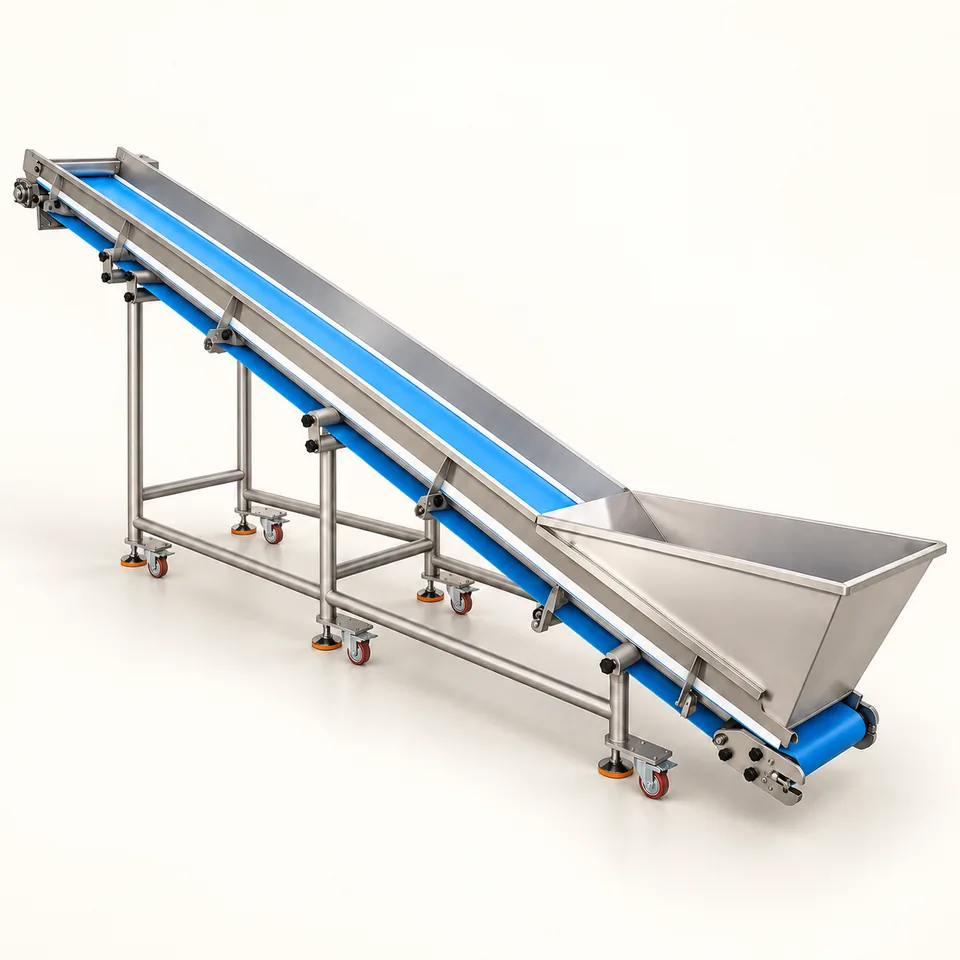
- Incoming material
- Mixed dough from the selected mixer discharge arrangement
- Working function
- Hopper receiving and inclined transfer to the next inlet
Production-line photos: conveyor and assembly details.
Supplied workshop photographs show the complete dough mixer elevating conveyor, receiving hopper, belt path, end rollers and adjustment details in the production area. Select a detail photo to enlarge it.
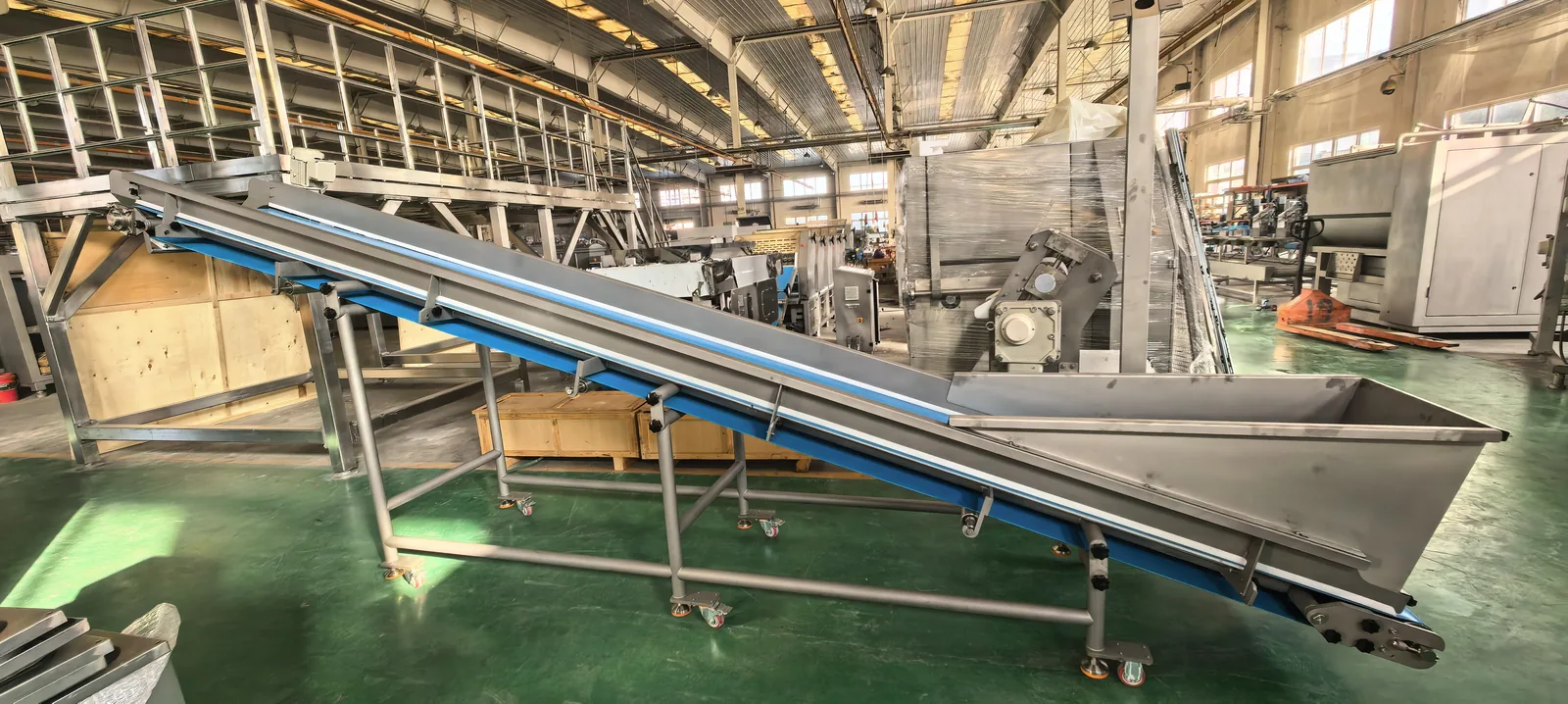
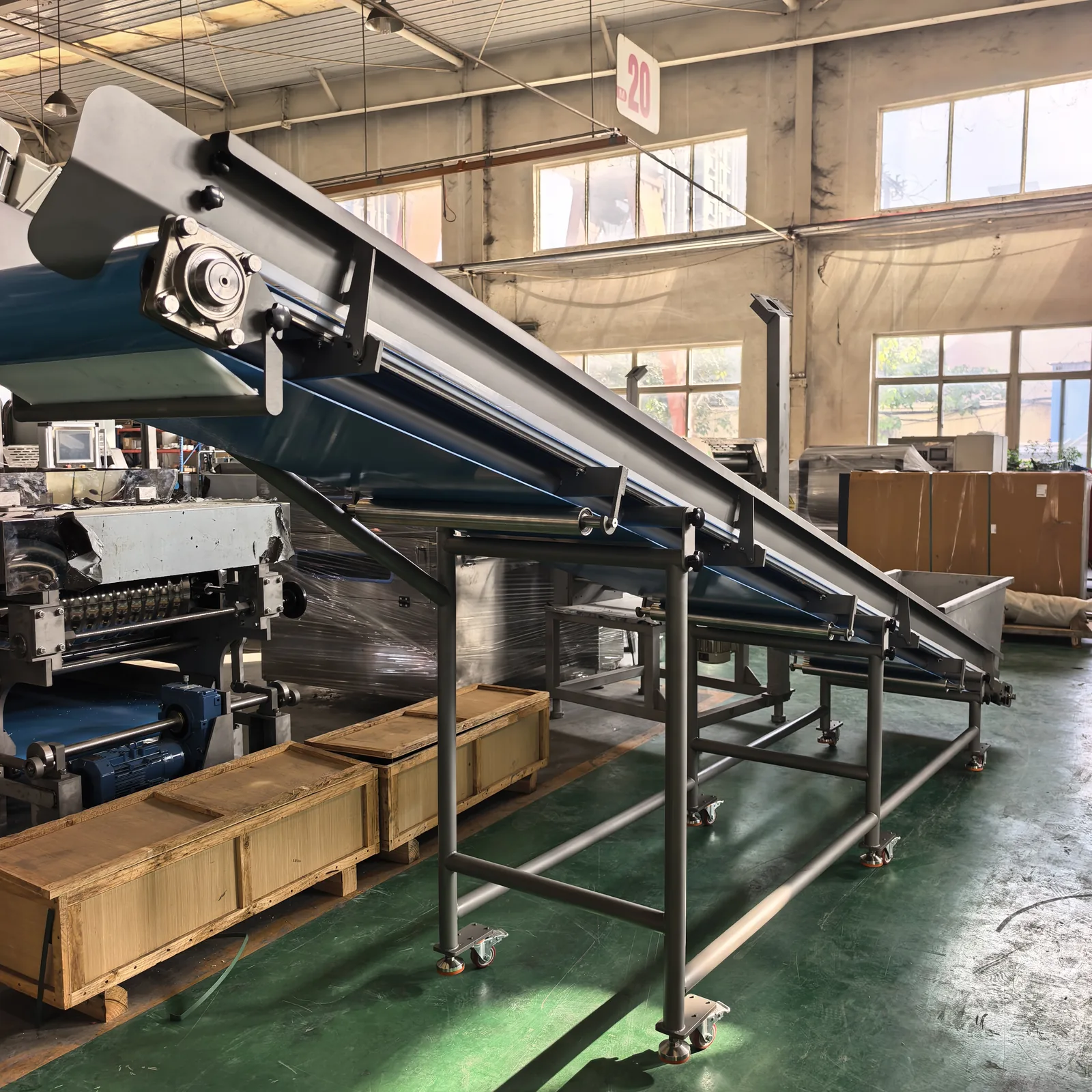
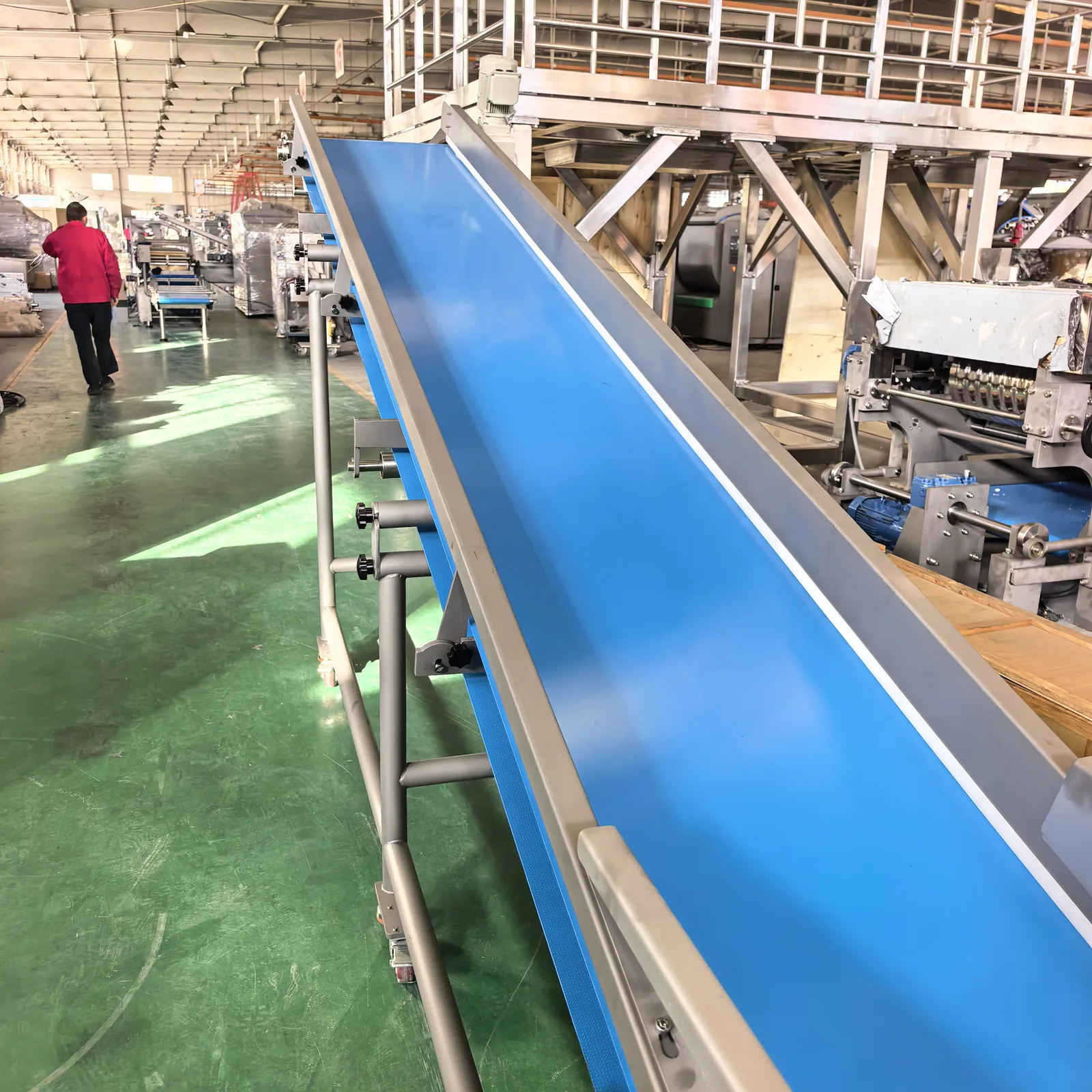
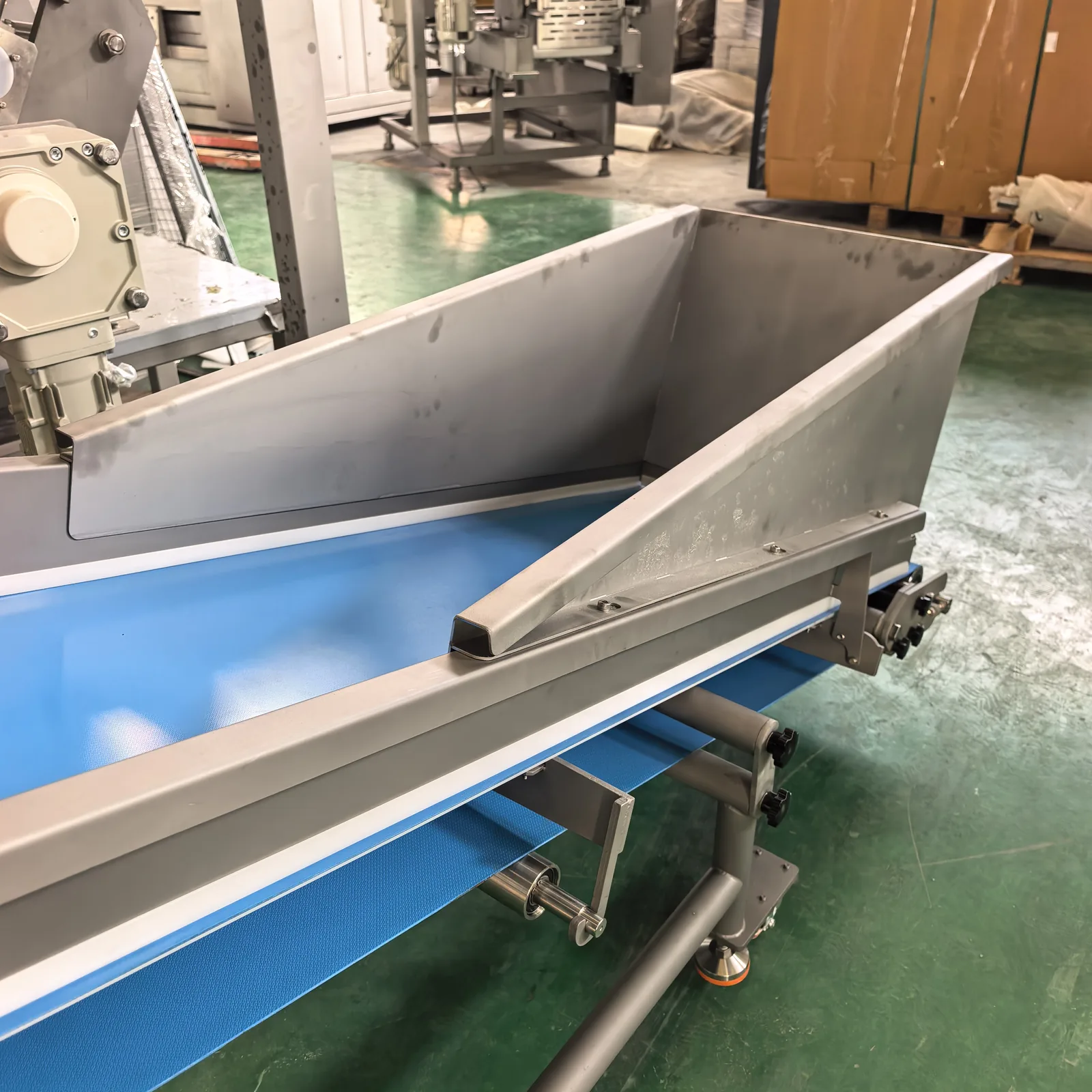
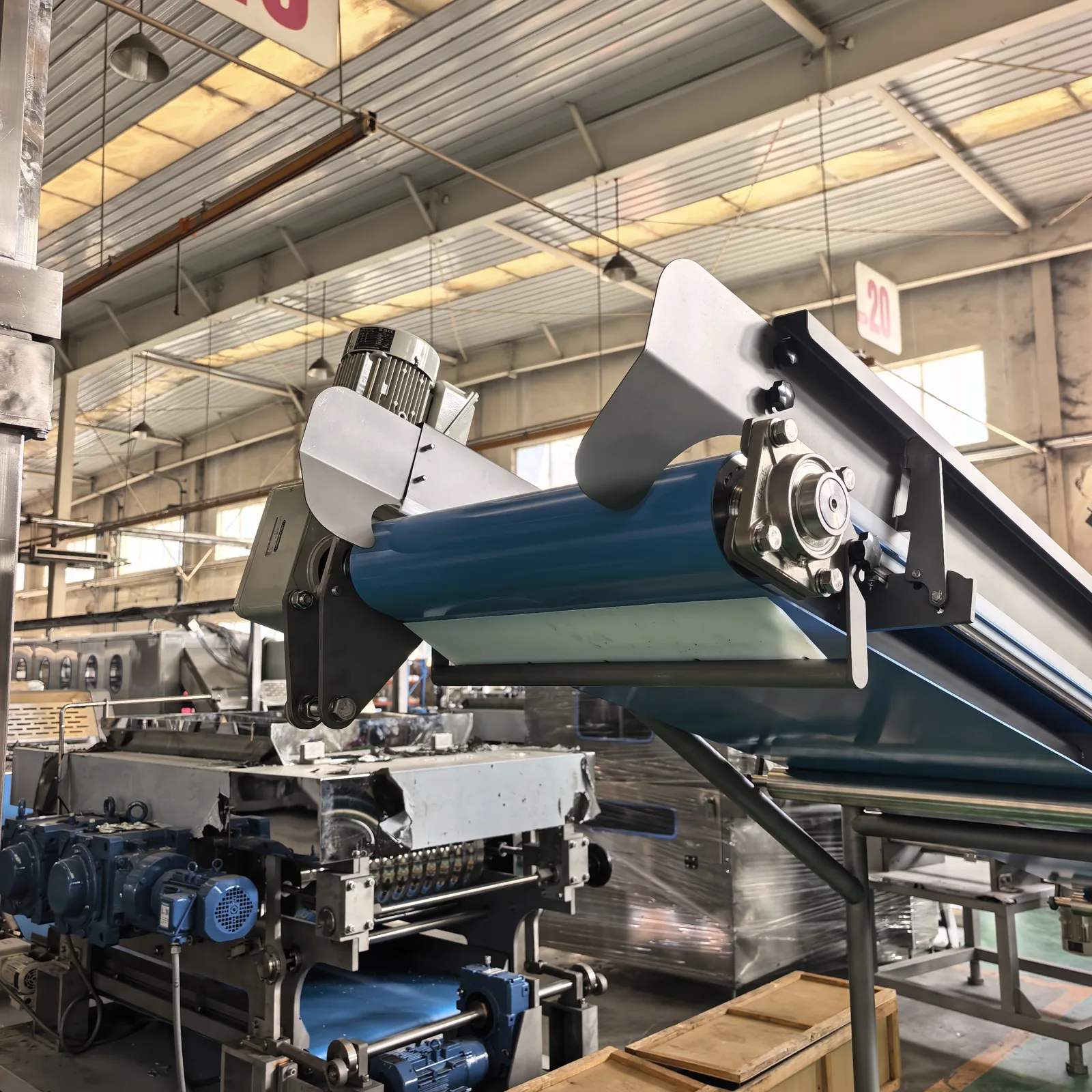
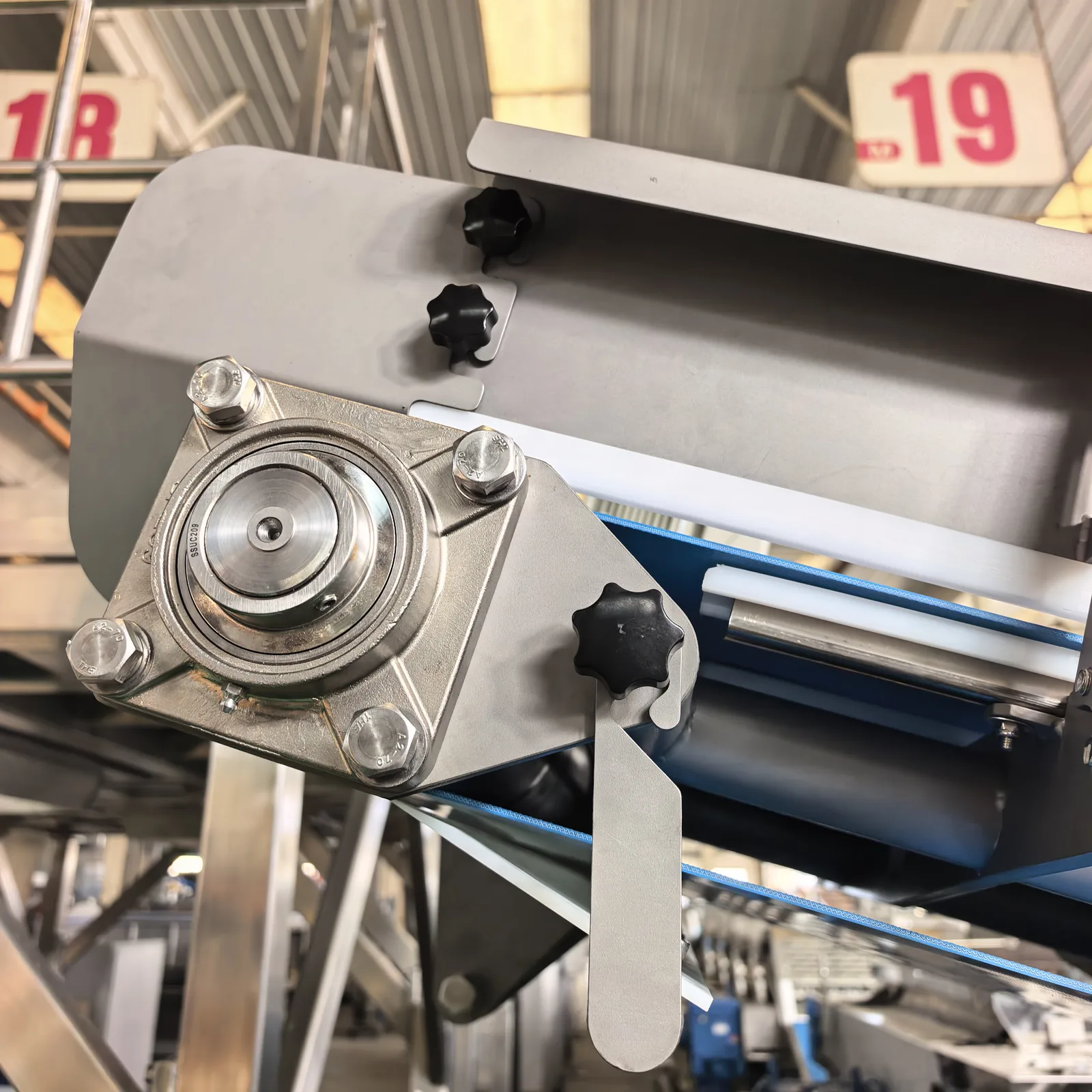
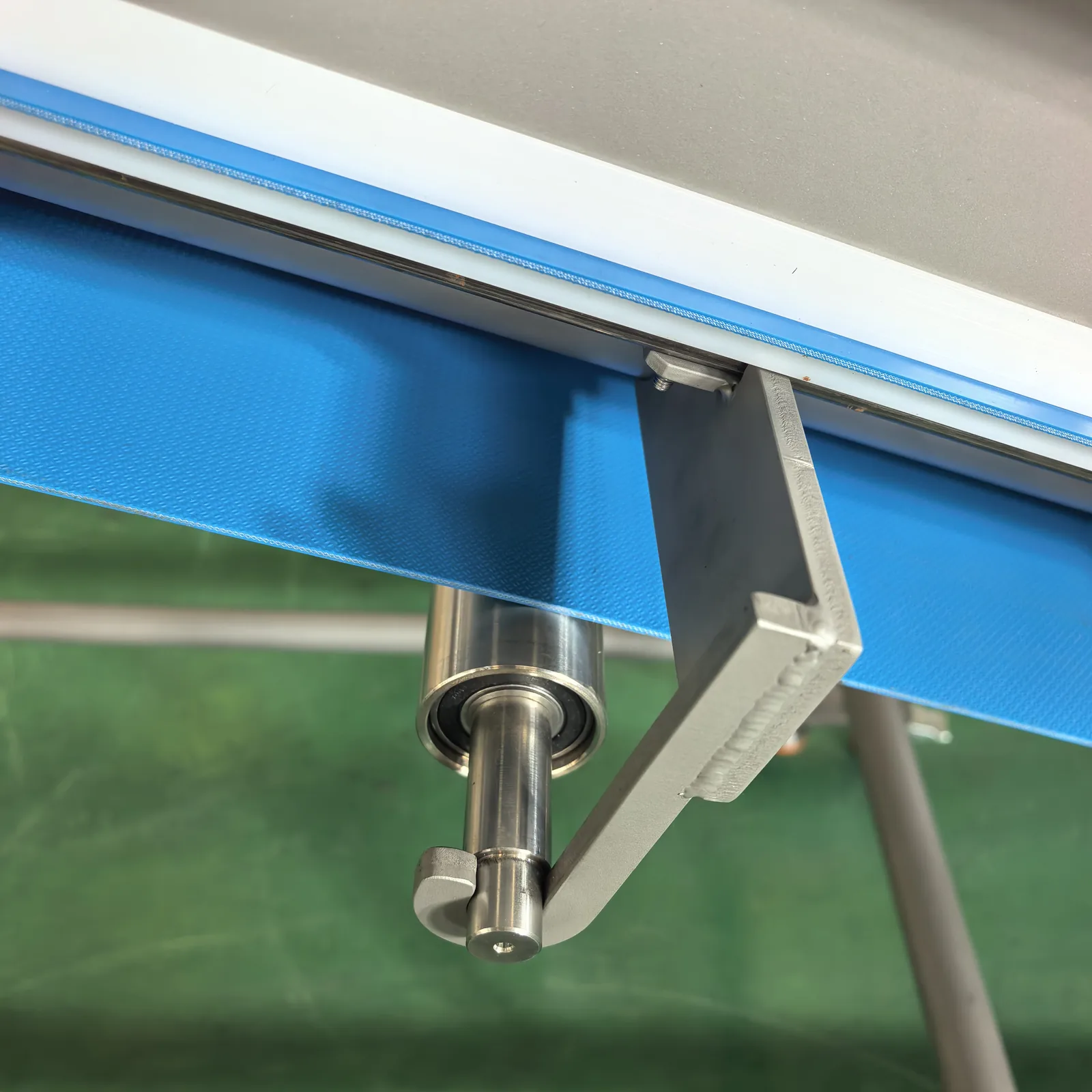
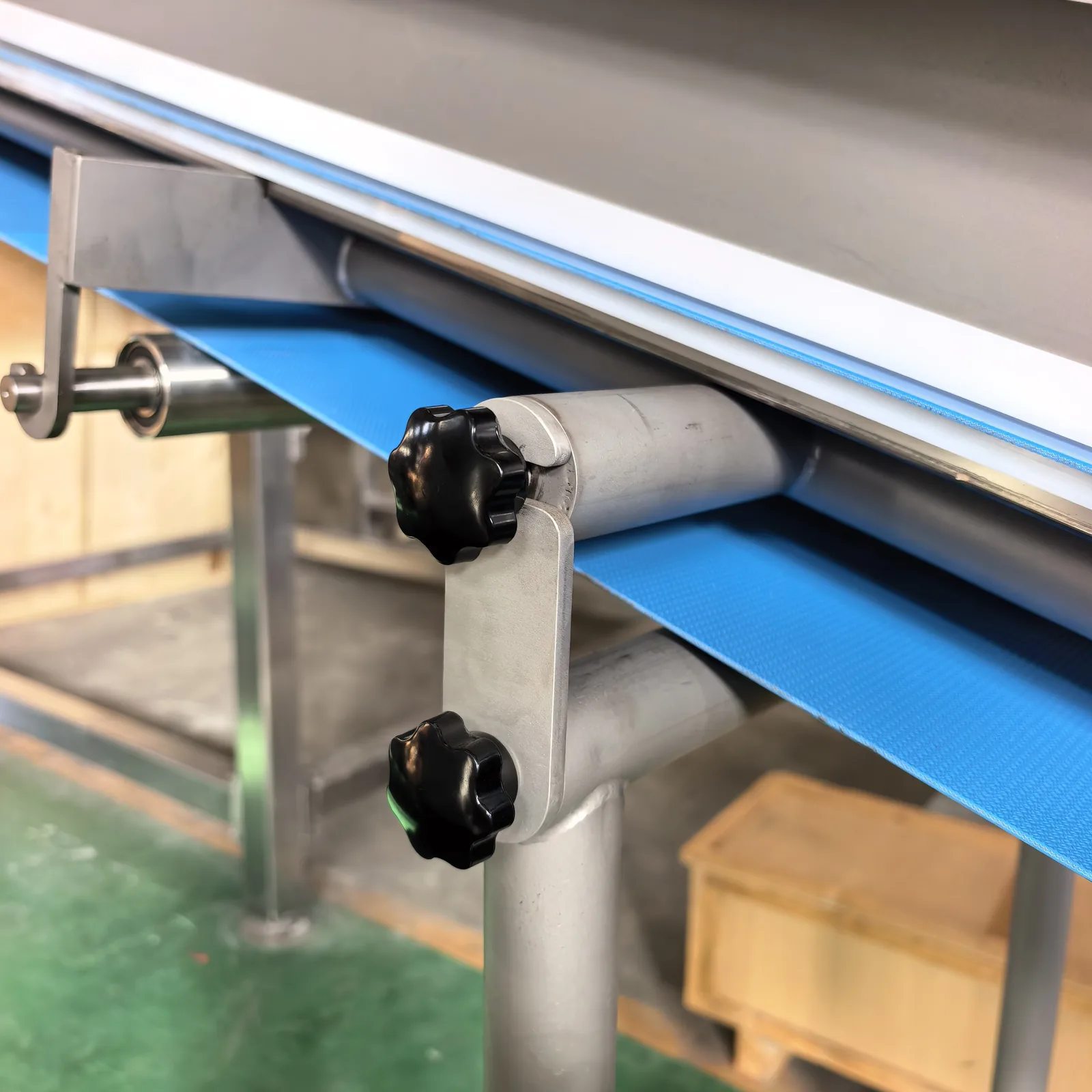
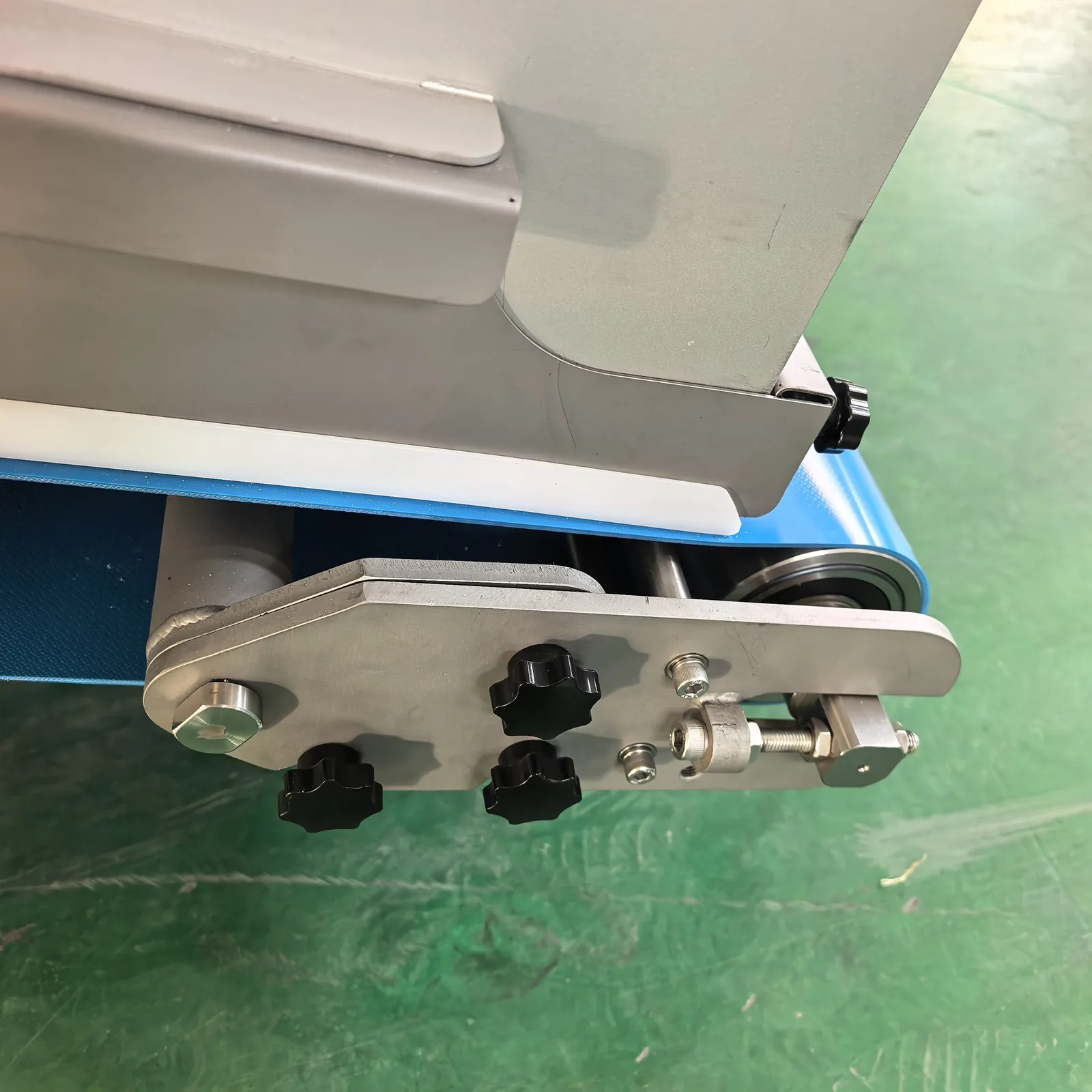
Start with the dough leaving your mixer.
Define how each batch reaches the receiving hopper: discharge location, dough condition, batch size and unloading frequency. Check the available clearance beneath or beside the mixer and whether a chute or other connection is required.
The hopper must be matched to the discharge arrangement. Direct connection and automatic batch release require a layout and controls review.
Agree where the next stage receives it.
Set the discharge height, travel direction and receiving opening around the following machine. A compound dough sheeter or another preparation stage may follow, depending on your production route.
Coordinate belt delivery with the receiving equipment and agree how the units stop and restart. The conveyor performs transfer; additional breaking, metering or resting duties need a separate specification.
Specify the connection before selecting the dimensions.
| Dough and batch | Recipe range, dough condition, batch mass and discharge cycle. |
|---|---|
| Receiving hopper | Loading position, inlet opening, access and connection to the mixer discharge. |
| Belt and incline | Usable width, conveying length, inclination and surface selected for the intended dough. |
| Discharge | Outlet height, direction, transfer gap and the following machine's receiving opening. |
| Drive and controls | Required speed range, electrical supply, motor power and coordination with connected machines. |
| Installation and care | Support footprint, positioning, guarding, emergency stops and access for belt adjustment and cleaning. |
No fixed capacity, belt width, lifting height, motor rating or material grade is specified from the photograph. HELPER confirms these items in the selected configuration.
Check transfer with your dough.
Review pickup at the hopper, movement on the incline and release at the outlet using representative material. Check sticking, fallback and accumulation, then agree the belt surface and operating settings with HELPER.
Plan access to the hopper, belt return, rollers and drive area for the required cleaning and inspection procedure.
Choose the conveying function.
This hopper-fed unit is presented for transferring mixed dough after the mixer. A general lifting conveyor or a horizontal extension conveyor may suit other handovers in the line.
General lifting conveyor unit →
Common planning questions.
Can it work with my existing dough mixer?
Send the mixer model, discharge photos or drawing, batch size and unloading height. Compatibility depends on the hopper position, dough condition, available space and control arrangement.
Does it break up or meter the dough?
The identified function is receiving and inclined conveying. Dough breaking and measured feeding must be specified separately if required.
Which dimensions are needed first?
Provide the receiving and discharge heights, horizontal distance, available floor area and the next machine's inlet. HELPER can then review a suitable conveyor arrangement.
Share your mixer discharge and receiving layout.
Send your dough type, batch size and cycle, mixer model, required delivery height and photos of the next processing stage. Include floor-space limits, cleaning method and electrical supply.
Request a configuration