
Green potatoes require an incoming-material and light-exposure investigation, not simply a stronger peeling setting. The green pigment is chlorophyll. It is a warning sign to assess, but its shade does not tell you the concentration of potato glycoalkaloids. Keep appearance checks, processing trials and the decision to release a lot as separate tasks.
Green color and chemical concentration are different measurements
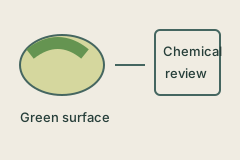
Green color is not a concentration reading. Explanatory illustration.
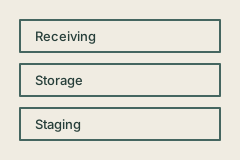
Include the time before potatoes enter the peeling line.
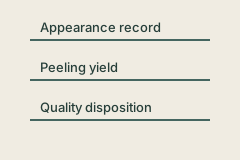
Improved appearance alone does not release a suspect lot.
University of Alaska Fairbanks Extension explains that natural or artificial light can stimulate greening. Variety, maturity and exposure conditions influence the response. Chlorophyll itself accounts for the green appearance; potato glycoalkaloids are a different group of compounds.
Consequently, neither “only pale green” nor “green disappeared” is a chemical result. A photograph documents where discoloration occurs and how extensive it looks under stated lighting. It cannot replace an appropriate assessment when the lot's suitability is uncertain.
Start with the lot and the light path
Inspect identifiable incoming lots before blending deliveries. Record supplier lot, receipt time, cultivar if known, packaging and visible condition. Photograph representative observations under consistent lighting. Separately note sprouting, physical damage and unexplained tissue changes; do not collapse all defects into one green-potato count.
| Location | What to inspect | What to record |
|---|---|---|
| Receiving | Condition on arrival and light-transmitting packs | Lot, package type, observation time and photos |
| Storage | Daylight, lamps, open containers and exposed upper layers | Location, shielding and known exposure history |
| Production staging | Uncovered bins waiting before washing or peeling | Arrival and transfer times, bin identity and cover arrangement |
This is a traceability record, not a universal acceptance plan. An unknown transport history should remain marked unknown. The first place greening is noticed is not necessarily where the exposure occurred.
Prevent exposure without creating another problem
Oregon State Extension's glycoalkaloid guide identifies light exposure among several factors affecting potato condition. Review raw-potato storage and staging together: an enclosed store offers little benefit if material then waits uncovered beside a bright window.
Use suitable light protection for stored potatoes and review unnecessary waiting in exposed containers. Maintain appropriate ventilation, hygiene, access and safe workplace illumination. Shield the product rather than making an operating area unsafe to see. Check that covers are actually used and that containers remain identifiable.
For packaging or covers, examine the protection provided in the actual arrangement. A material name alone does not describe gaps, exposed tops or how long the lot waits. Do not borrow an experimental storage temperature or exposure duration as a guaranteed factory limit.
What washing and peeling can establish
Washing removes surface soil; a cleaner surface is not evidence that internal chemical concerns have been resolved. Peeling removes outer tissue and may change the visible result, but a peeling trial should report its own outcomes: appearance, removal consistency and usable yield.
Health Canada states that cooking does not significantly reduce these glycoalkaloids. It also cautions against assuming that levels have fallen when green color fades during dark storage. Neither cooking nor darkness should therefore be presented as a rescue procedure for a suspect production lot.
For the HELPER potato washing, peeling and polishing line, keep an equipment trial distinct from raw-material approval. A visibly cleaner discharge does not prove chemical compliance. Quality personnel should determine disposition and any assessment required for the intended product and market.
A filled record customers can follow
Example only: “Lot G14; received 08:20; supplier pack: translucent bag; photographed 08:35; green patches observed on three of twenty inspected tubers; exposure before receipt unknown. Bin S2 staged beside window from 08:50 to 09:25. QA review pending.” The numbers illustrate notation, not a sampling or rejection threshold.
If an authorized peeling comparison follows, give it a separate trial identifier. Record input mass, usable output mass, inspection point and photographs. Report affected tubers over tubers inspected, keeping multiple patches on one tuber distinct from multiple affected tubers. Preserve the original incoming observations even if the processed surface looks different.
For localized dark patches beneath intact skin, use the separate potato blackspot investigation. That article addresses bruising and handling; green pigmentation should not be explained using the same diagnosis.
Frequently asked questions
Is a green patch the same as mold or a bruise?
No. Greening involves pigment formation associated with light exposure. Bruising and decay have different causes. Unexplained tissue changes require assessment rather than classification from color alone.
Does darker green mean a known glycoalkaloid level?
No. Visible intensity is not a calibrated chemical measurement. Record appearance consistently, but do not convert a color grade into a concentration or release decision.
Can deeper peeling or cooking guarantee acceptable potatoes?
No. Peeling can remove outer tissue, but appearance and yield are not chemical verification. Cooking is not a reliable corrective step for elevated potato glycoalkaloids.
Can we release potatoes after keeping them in darkness?
Dark storage helps prevent further light exposure. Fading green color does not demonstrate reduced glycoalkaloids. Keep suspect lots under the plant's quality disposition procedure.
Sources and scope
Checked 14 November 2026. Original diagrams and the filled record are explanatory examples, not HELPER test results. Consumer guidance and controlled research do not establish a factory lot-release rule.
- UAF Extension: Green Potatoes Causes and Concerns, Stephen Brown; original Wayne Vandre, reviewed March 2022, USA. Light exposure and the distinction between pigment and glycoalkaloids.
- Oregon State Extension: Glycoalkaloids in Potato Tubers, Torabian, Qin, Sathuvalli and Jayanty, USA; publication date not displayed in the retrieved body. Relevant prevention and condition sections checked.
- Health Canada: Glycoalkaloids in Foods, page dated 4 May 2017, Canada. Cooking and fading-color limitations; Canadian numerical limits are not generalized here.
- Okamoto et al.: Light Regulation of Chlorophyll and Glycoalkaloid Biosynthesis During Tuber Greening, 30 June 2020, UK research. Methods use separate pigment and chemical analyses under controlled conditions; no universal factory exposure limit inferred.