
Tilting mixing trough
The supplied views show the trough in a tilted position and the lid raised. Review the receiving height, loading access and clearance around moving components when planning the equipment layout.
A horizontal vacuum dough mixer with a tilting trough, an open-lid view of the mixing shaft and a side-mounted operator panel. Explore the machine layout through detailed product views and a short English factory walkthrough.
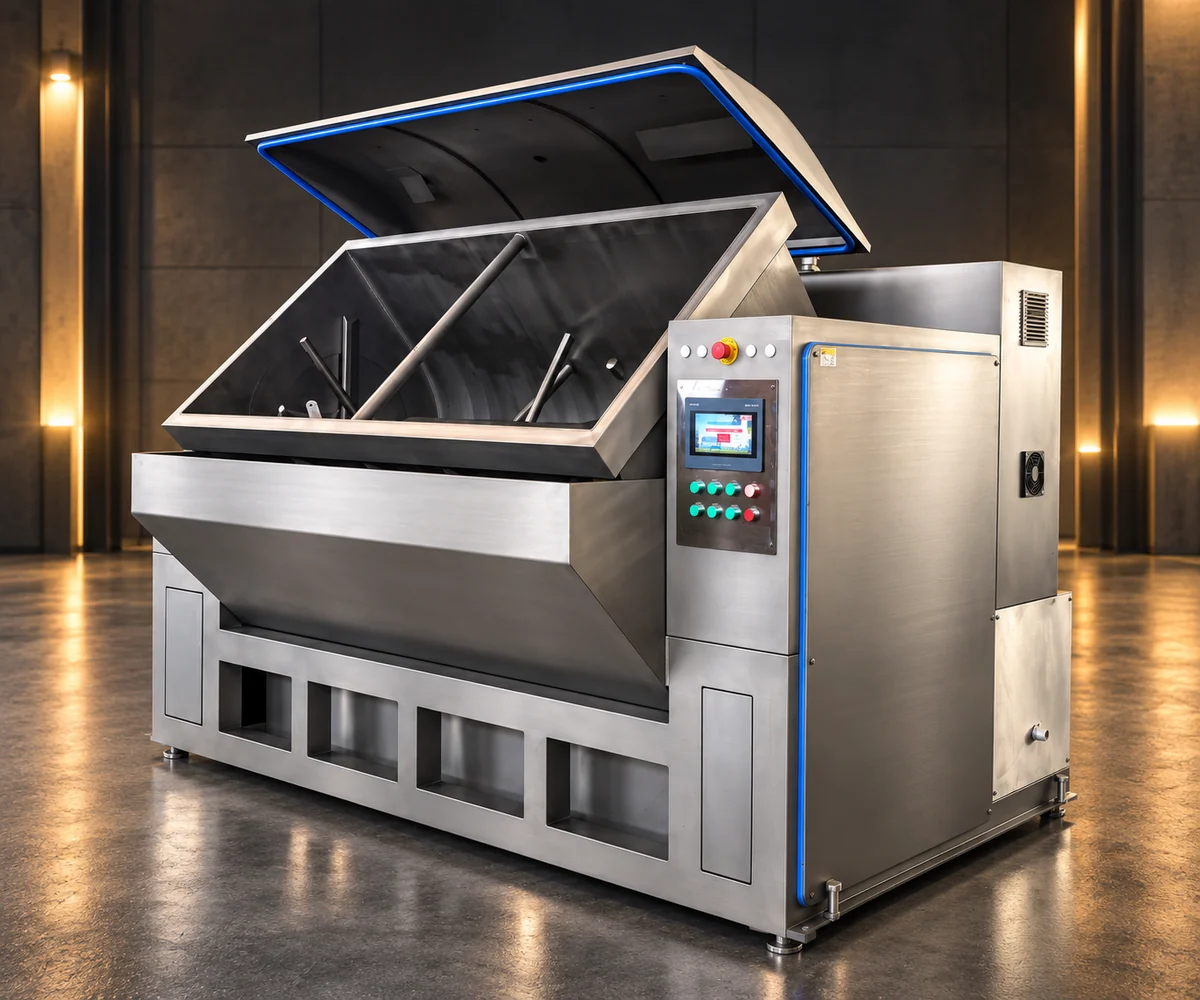
The ZKHM-650 is a horizontal vacuum dough mixer. Use the detailed views to review the trough, shaft arrangement, control location and space around the enclosure before discussing how it will fit your dough-preparation process.
When choosing a mixer, start with the dough and the next machine in the line. Flour type, water addition, dough consistency and the way the batch is discharged all affect the configuration discussion. Share your recipe and production sequence so that the proposed mixing structure can be assessed against the work it needs to perform.
The supplied views show the trough in a tilted position and the lid raised. Review the receiving height, loading access and clearance around moving components when planning the equipment layout.
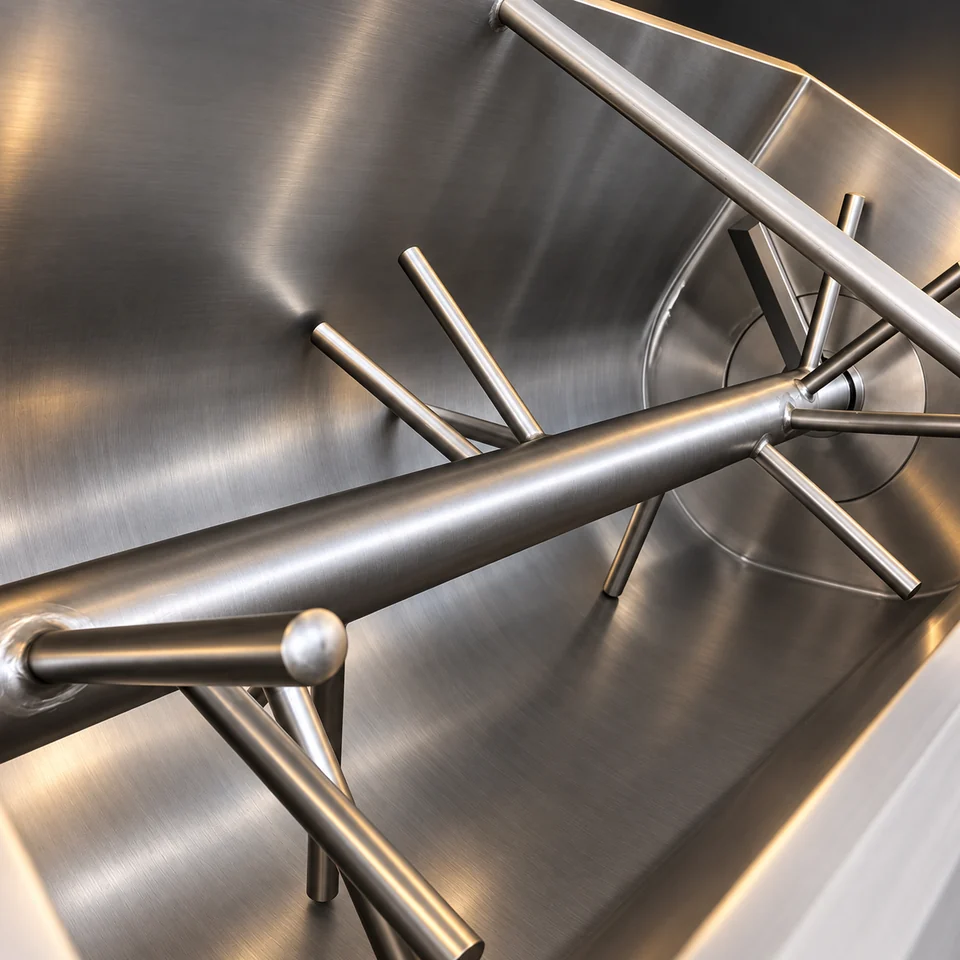
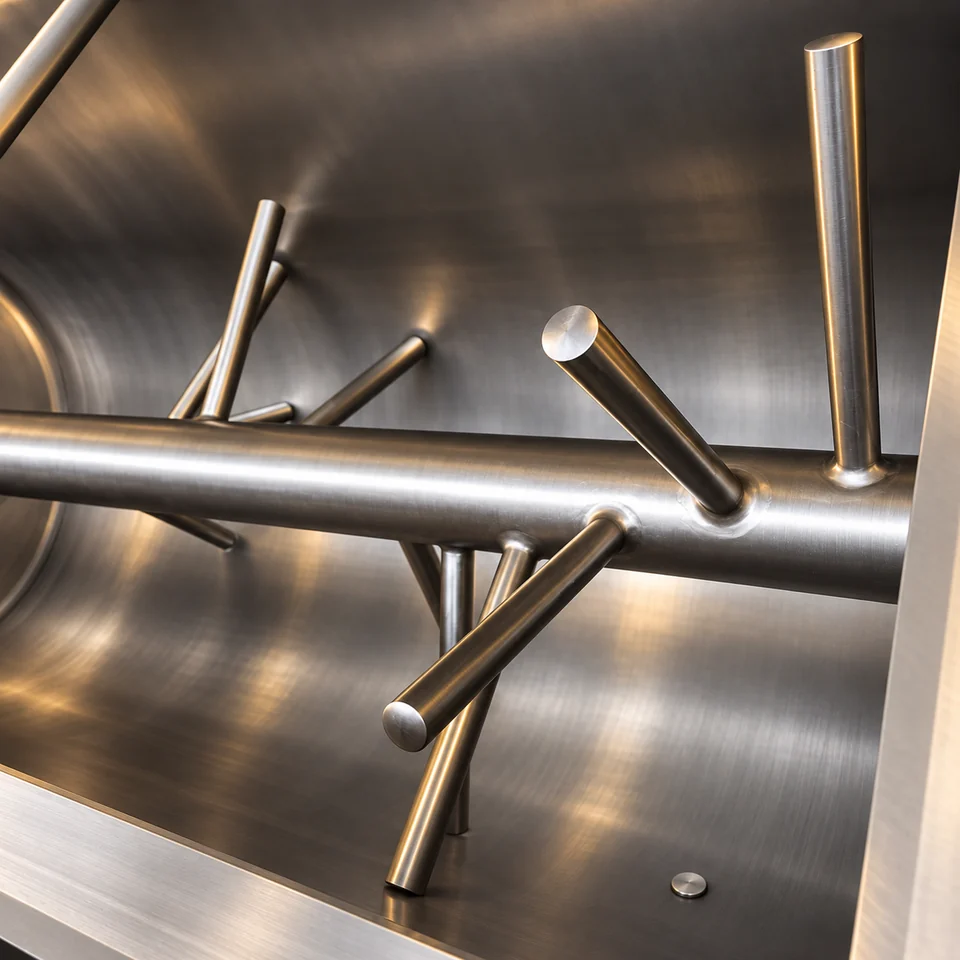
Interior close-ups show the shaft and angled mixing elements. Compare this arrangement with your dough requirements; a similar external enclosure does not establish that two mixers have the same internal configuration.
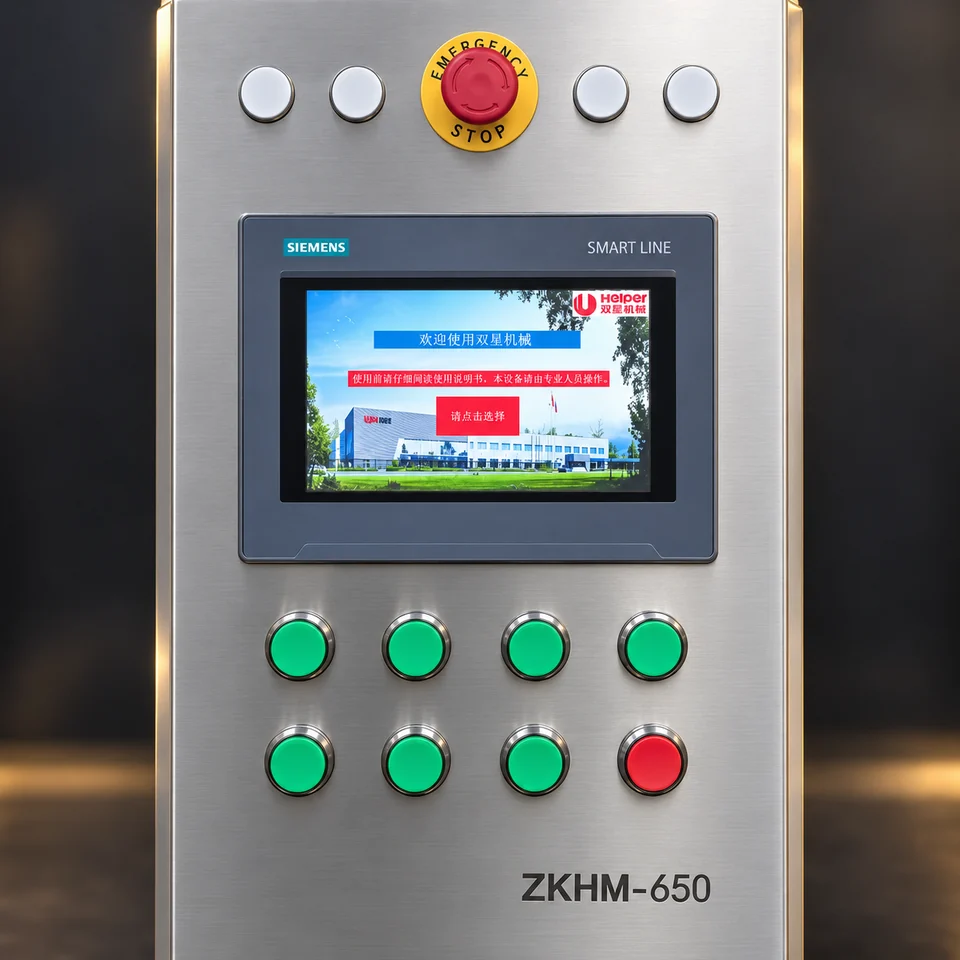
The photographed machine has a Siemens SMART LINE touchscreen, physical push buttons and an emergency-stop button. Confirm the supplied control package and required operating language with the quotation.
This short factory clip introduces the machine with English narration and captions. It shows the trough and control side before moving around the enclosure to the rear connections. The opening cover introduces the model; the walkthrough itself uses the supplied factory footage.
Use the video to understand the layout and access points. It does not demonstrate a loaded dough batch or establish production capacity, mixing time or a measured vacuum level.
Open on YouTube ↗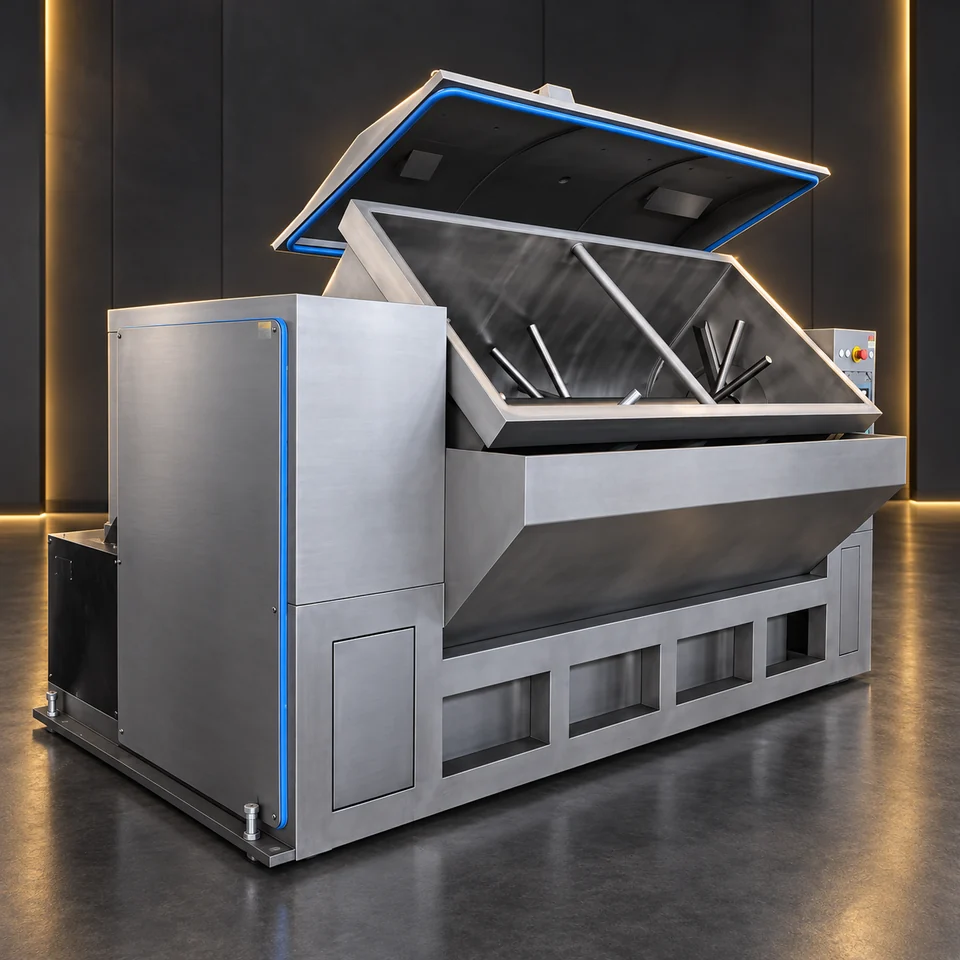
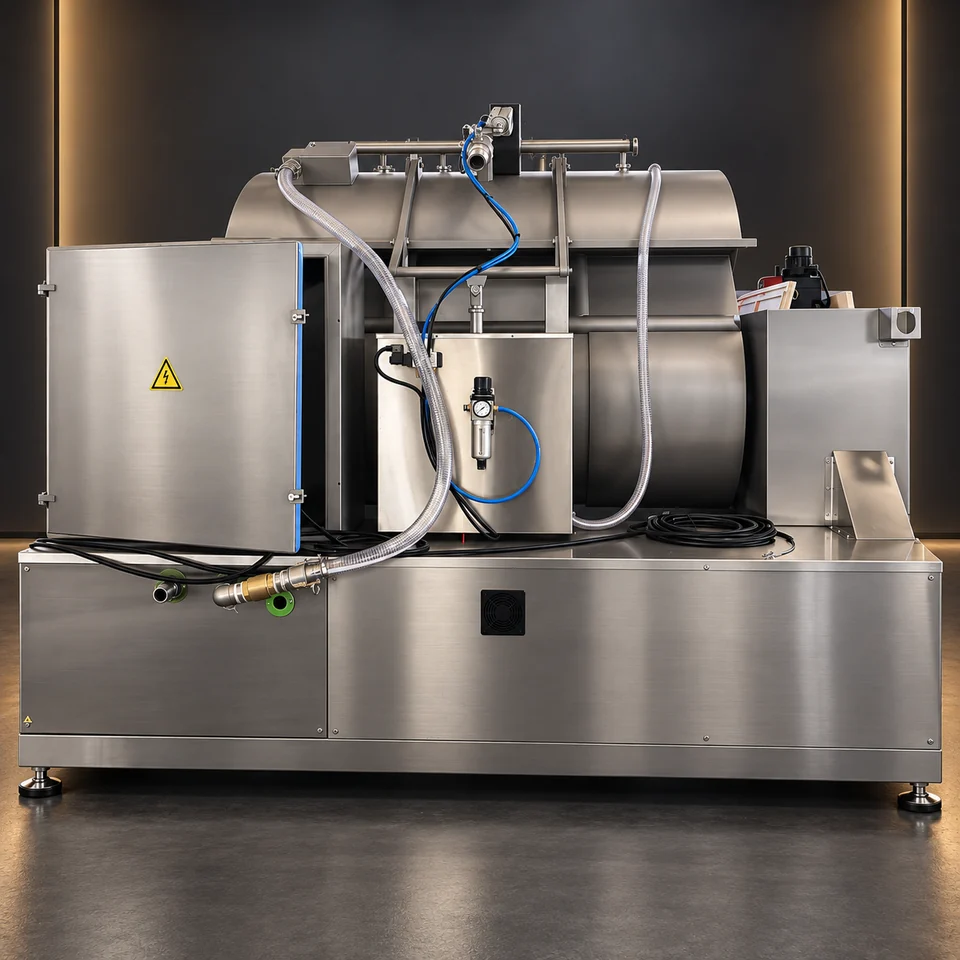
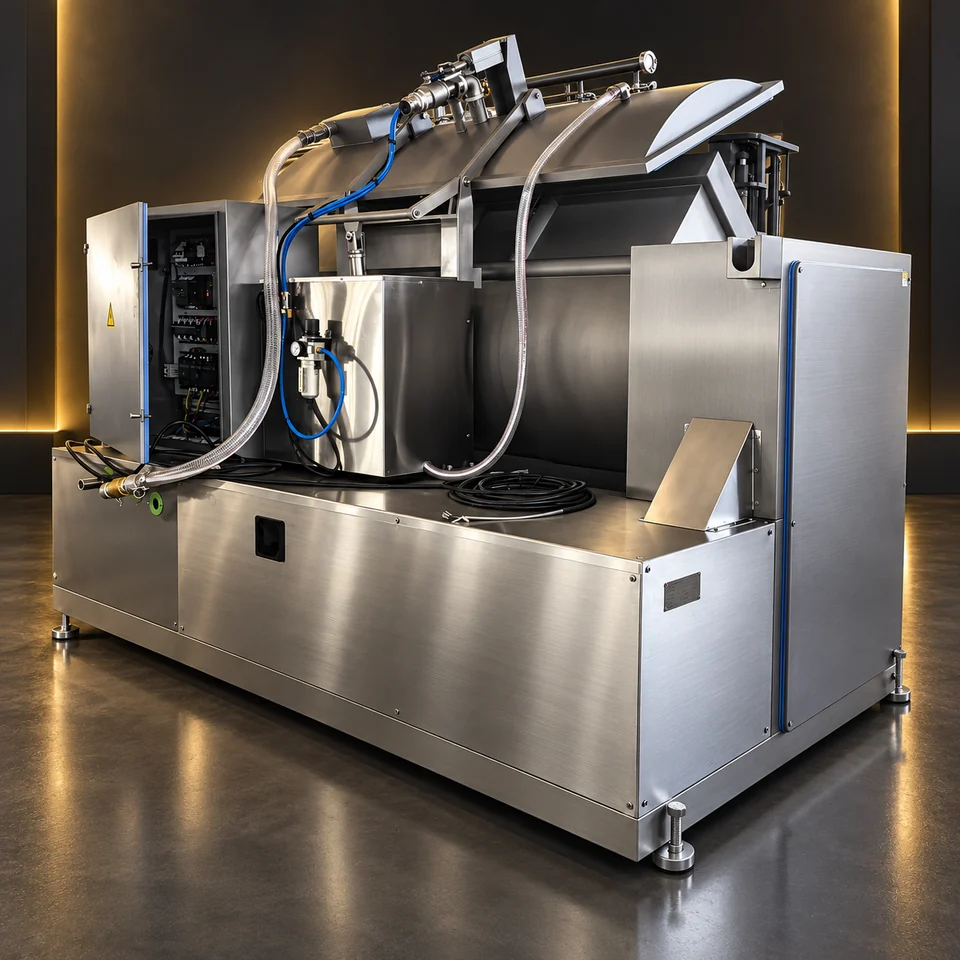
Ask for a written specification for the ZKHM-650 configuration being quoted. A model number should not be used on its own to infer chamber volume or usable dough weight. Dry flour weight and finished dough weight are different quantities, so state which one your production target refers to.
| Item | What to confirm |
|---|---|
| Model | ZKHM-650 vacuum dough mixer |
| Recipe and batch basis | Flour type, dry-flour weight, water addition and finished dough condition |
| Mixing arrangement | Shaft and mixing-element configuration for the intended dough |
| Vacuum and cycle settings | Required vacuum conditions, mixing sequence and trial acceptance criteria |
| Electrical and services | Confirmed motor power, supply voltage, frequency and utility connections |
| Layout and discharge | Final dimensions, weight, receiving height and access clearances |
Plan the upstream preparation and downstream transfer together. If the project needs ingredient dosing, review the automatic flour feeding system and automatic water dosing system. Their integration with this mixer, including loading position, dosing sequence and controls, should be confirmed for the project.
Include a simple floor plan and identify the machine receiving the dough. This allows the discussion to cover batch timing, transfer arrangements and operator access, as well as the mixer itself.
No. This page identifies the ZKHM-650 vacuum dough mixer shown in the supplied factory photographs. The HM-300H / HM-650H tangyuan and taro-ball mixer series has a separate product page. Confirm the full model designation when requesting a quotation.
Do not infer a working batch weight from the model designation. Ask for the rated chamber volume and usable dry-flour or finished-dough batch for the quoted configuration and recipe.
Agree the recipe and acceptance criteria before the trial. Review the mixed dough condition, suitability for the next processing stage, discharge behaviour and the time needed to complete the actual batch sequence.
Send the recipe, batch target, electrical supply and downstream process. Request a model-specific specification and a trial plan matched to the dough you intend to produce.
Prepare a vacuum dough mixer trial brief →
Compare all dough mixer families →